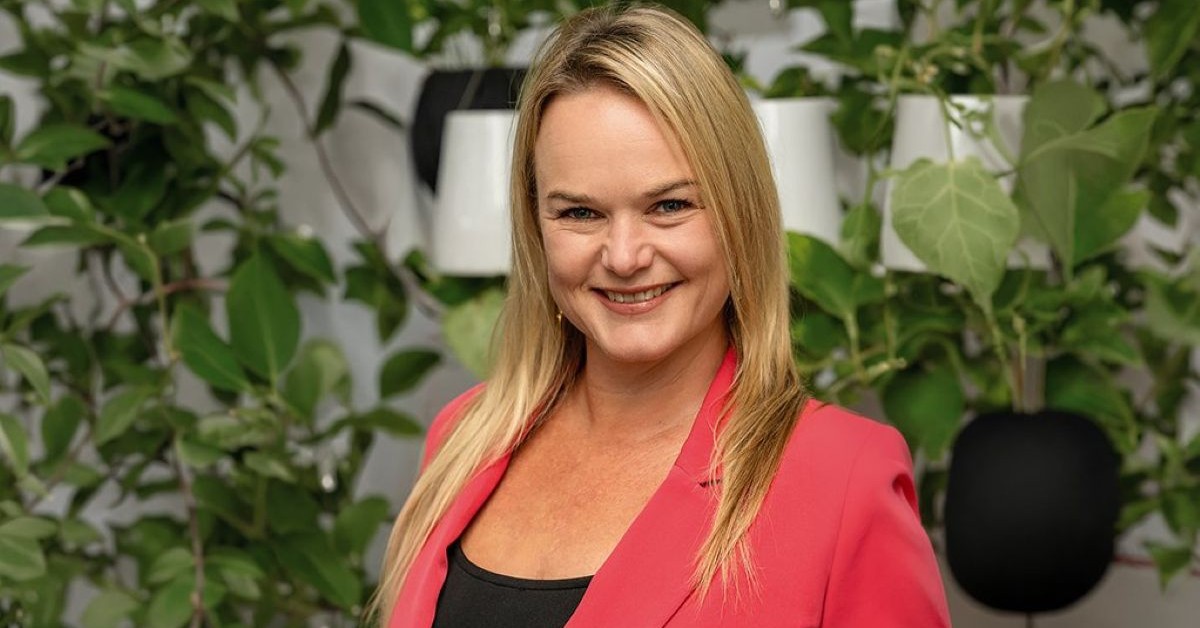
With a career spanning decades in technology and business leadership, Carey has built a reputation for driving innovation, fostering resilient teams, and championing digital security in an increasingly connected world. As one of the few women leading in the tech sector, she shares valuable insights into her professional journey, the lessons she’s learned along the way, and the advice she has for aspiring women looking to build successful careers in technology and leadership.
1. What were the key milestones in growing ESET Southern Africa from a startup to 40+ employees?
My professional journey began in 2003 at 4D Digital Security, working alongside the group’s founder, Justin Stanford, where I spent six months conducting security audits from the garage. I then took the opportunity to travel, exploring Asia and the United Kingdom for the rest of the year. Upon my return, the group acquired the distribution rights to NOD32 (now ESET) software products.
We then moved operations from the garage into an office block in Rondebosch. Over the next five years, I took on various roles at ESET, becoming COO and helping the company expand its headcount from 2 to 19 employees. After a seven-month sabbatical in 2009 to do a round-the-world trip, I was appointed ESET CEO in 2010. In 2026, we now have 50 employees, operate in 23 countries, and work with over 2,500 active resellers.
2. How has cybersecurity changed most over the past 15 years?
Cybersecurity and cybercrime tend to evolve side by side. As security improves, attackers adjust how they operate and find new ways to exploit systems and people. Over the last 15 years, the shift has been significant. We have moved from basic malware detection to much more advanced threat hunting environments that monitor network traffic and device activity in real time.
Today, technologies like machine learning and artificial intelligence are instrumental in helping security teams respond faster, flag unusual behaviour, and make more timely decisions when a threat is detected. At the same time, the threat landscape has changed in how cybercrime is funded and carried out. The ability to remain anonymous online, combined with cryptocurrency, has made it easier for criminals to scale scams and extortion attempts and move large amounts of money without being traced easily.
This has led to more organised and sophisticated attacks that are harder to stop. Consequently, cybersecurity teams are no longer simply a technical support function. They have become central to keeping businesses stable, resilient, and able to operate safely in an increasingly complex digital environment.
3. What drew you to cybersecurity, and what keeps you in the industry?
My entry into cybersecurity was, initially, quite accidental. After completing my Honours in Information Systems, I was eager to learn and joined Justin in the garage, absorbing his self-taught expertise in online security. While the initial focus was purely on endpoint security, the industry has since shifted in fascinating directions.
It is an industry defined by constant change and growth, becoming increasingly essential to all online users. While I love the industry itself, it is ultimately the people within it that truly keep me here, which is why I love what I do.
4. How do you balance strategy with day-to-day leadership?
Keeping a strategy real, dynamic, and relevant to everyone is something I constantly work on and evolve. The days of simply creating an annual strategy and sitting back to watch it unfold are gone. This approach is impossible in the fast-growing industry and world we live in.
Strategy succeeds only because of the people who drive it. While planning is crucial, nurturing people throughout the process is the only way to maximise a strategy’s potential. Since people are dynamic, they require daily direction, and navigating the reality that everyone has good and bad days is a core daily leadership focus.
5. What core leadership principles guide you through growth and change?
Being intentional about growth and understanding where each person’s unique contribution is is incredibly important. I believe being clear is kind, which is why I prioritise transparency about expectations, while simultaneously offering close emotional support. This balanced approach plays a big role in creating a healthy and productive environment.
The process begins with giving people clear job descriptions, identifying any skill gaps, and then setting everyone up for success through the right training, support, and HR guidance. I also believe patience is essential when big changes are introduced. People need sufficient time to adjust, adapt, and grow into new ways of working.
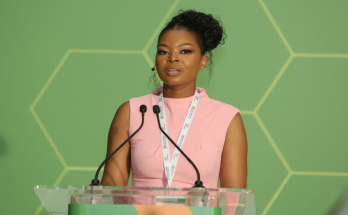
6. What does being recognised among Africa’s Top Women in Cybersecurity mean to you?
Showing young South African women that anyone can strive to become a leader, even in industries that are often male-dominated, is something I’m passionate about. Female leaders bring a different and necessary kind of leadership to business, offering perspectives, empathy, resilience, and people-focused thinking that is incredibly valuable in today’s world.
7. How have you navigated a male-dominated industry?
I approach leadership with the mindset that all people are equal. However, where historical divides exist, and I come across men who may not know how to work effectively alongside women, I try to understand their perspective and address those challenges constructively. I focus on nurturing the best outcome for everyone involved, guiding people toward mutual, better understanding, and stronger collaboration.
8. How do you develop and retain talent within your organisation?
Developing and retaining talent starts with cultivating a culture that supports all individuals. This environment must encourage people to push their boundaries, genuinely support their growth, and ensure individuals feel seen and valued. A strong focus is placed on identifying skills gaps against clear job descriptions, which then informs the creation of structured growth plans that support both personal development and long-term career goals.
Wherever possible, we ensure that opportunities for promotion are available and that growth should be recognised through fair, benchmarked remuneration. Equally important is ensuring fair pay across colleagues in similar roles, acknowledging achievements through both remuneration and meaningful team recognition and kudos.
9. How do you foster innovation in your team?
Innovation is fostered by creating an environment where people feel empowered to contribute ideas and know that their input will be taken seriously. New ideas are rewarded through implementation, financial support where applicable, and by creating space for experimentation, including supporting AI-focused projects and initiatives. A strong emphasis is also placed on diversity of thought, empowering teams through ongoing skills development and encouraging different perspectives and ways of thinking.
Building autonomous employees is equally important, as it creates room for individual ideas, initiative, and problem-solving. One of our key company principles is valuing diversity by embracing the unique perspectives, backgrounds, and experiences every individual brings. Diversity of thought and mindset strengthens collaboration, fuels innovation, and empowers each person to contribute authentically to our shared success.
10. What are the biggest cybersecurity threats in Southern Africa today?
The biggest threat to any organisation is standing still, not evolving policies, and adopting advanced technologies to keep pace with the current threat level. There are no business segments that are not the target of cybercriminals; small businesses are the target as they often provide a conduit to a larger enterprise, and education and healthcare have vast reams of sensitive personal data.
Likewise, enterprises can pay significant extortion demands; there really is no business that is exempt from a cyberattack. Ultimately, any lack of action or taking the approach of ‘it will not happen to us, we have nothing worth stealing’ is without doubt the greatest threat to South African businesses.
11. How has sport influenced your leadership style?
Sport has had a massive influence on how I lead, having been involved in and played team sports throughout my life. Team sport in particular builds a strong foundation for resilience, learning how to recover after defeat, adapt quickly, and keep moving forward. It teaches the importance of setting teammates up for success by knowing when to support, when to step in, and how to work together toward a shared goal.
Sport also creates a sense of unity through being surrounded by like-minded people, having fun together, and challenging yourself both physically and mentally. Many of the leadership qualities I value most come from sport, including endurance, adaptability, teamwork, and the ability to support and motivate people when they are struggling.
12. What is your long-term vision for ESET Southern Africa?
Given the complexity of serving multiple market segments, from consumers to enterprises across all sectors, and working through a broad distribution network of resellers, the long-term vision is to strengthen and expand all distribution channels to ensure products are delivered most conveniently and effectively for both clients and partners.
A key focus is harnessing strong automation capabilities to build scalable business systems that streamline licensing and improve the overall customer experience. Alongside this, there is a clear drive to enhance our offerings to cover the full cybersecurity landscape, ensuring relevance in a rapidly evolving digital world.
In an environment increasingly shaped by AI, we also place a strong emphasis on maintaining and deepening trusted human relationships, recognising that people remain central to long-term success. At the core of this vision is building a strong, capable team supported by a culture where people truly come first.
Short bio:
Carey van Vlaanderen is the Group CEO of ESET Southern Africa, where she has spent the past 15 years transforming the company from a two-person startup into a leading cybersecurity provider with a team of more than 40 professionals. Recognised as one of Africa’s top women in cybersecurity, she has been named among the Top Women in Cybersecurity Africa 2020, featured in CRN’s Women of the Channel 2020, and was a finalist in The IT Personality Awards 2022.
Known for her strategic vision and people-focused leadership style, van Vlaanderen is passionate about driving innovation, developing talent, and advancing the cybersecurity industry across Southern Africa. Outside of work, she enjoys team sports, including hockey, reflecting her belief in collaboration and personal excellence.