July marks National Savings Month in South Africa, and as a result, many households use it as an opportunity to reassess their household budgets and look for practical ways to build financial flexibility in an effort to save a bit more. However, persistent cost-of-living pressures and limited disposable income often leave consumers with an impossible choice: do they secure the present by building an emergency fund, or do they focus on building long-term wealth?
This dilemma often paralyses consumers into doing nothing at all. However, achieving financial security is not an either-or decision. True financial wellbeing relies on balancing short-term resilience and long-term growth, tailoring your strategy to your specific life stage and circumstances.
Why an emergency fund comes first
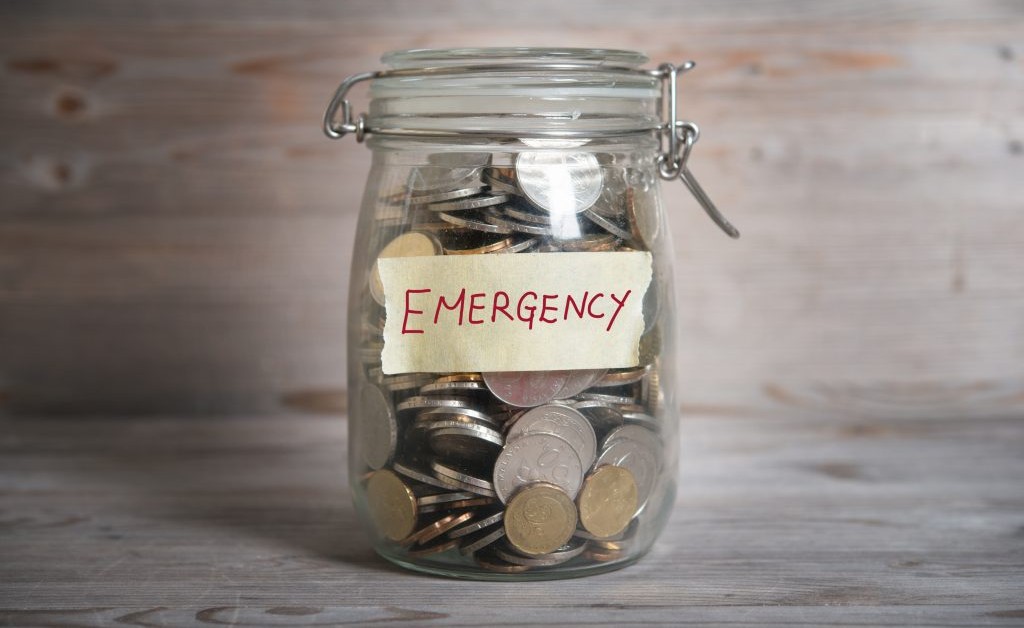
An emergency fund acts as your financial shock absorber. It’s a readily accessible cash reserve to cover unforeseen, non-discretionary expenses such as urgent medical procedures, sudden vehicle repairs, or temporary income disruptions. Without this liquid buffer, even a minor unexpected expense can derail a household budget, forcing you to rely on high-interest credit or short-term loans.
“Starting to save, no matter how little, is a positive step towards future financial independence,” notes Sharon Hamman, Senior Legal Adviser at Momentum. “Gradually building your savings will empower you to make decisions that are in your best interests and provide much-needed peace of mind during stressful times.” While an emergency fund provides an immediate defence, the primary objective of investing in vehicles like equities, bonds, or unit trusts is long-term wealth creation and outpacing inflation over time.
The hidden risks of an unbalanced approach
Prioritising either an emergency fund or long-term investments creates vulnerabilities in a financial plan. If you funnel all your spare cash into long-term investments without keeping an emergency reserve, a sudden financial shock can force you to disinvest the long-term savings prematurely. If this occurs during a market downturn, you lock in capital losses and interrupt the compounding process. Equally, waiting until you have a ‘perfect’ emergency fund before you start investing carries a heavy opportunity cost.
The biggest mistake is waiting too long to start planning for your financial future. Delaying financial action comes at a cost not just in money, but in the loss of growth, compounded investment returns, and time, none of which can be regained once lost. Considering your options, emergency savings acts as the foundation of any long-term investment strategy, effectively safeguarding your wealth creation strategy and securing its resilience even through tough times.
Practical strategies for building both at the same time
When disposable income is constrained, trying to build a cash cushion and fund long-term investments can feel impossible. The key is to run both strategies in parallel by starting small and automating the process. A dual path approach involves aiming to save for three to six months of basic living expenses via high-interest, accessible savings accounts. When it comes to long-term investments, the aim is to invest in capital growth investments such as tax-free savings accounts, unit trusts, and retirement annuities matching long-term life milestones.
Navigating the plan with professional advice
There is no single formula for balancing short-term cash reserves against long-term investments. The optimal ratio depends on your age, dependency obligations, income stability, and personal risk profile. A professional financial adviser acts as an important guide on this journey. Rather than simply recommending financial products, they help you look at your finances contextually to build a balanced, integrated roadmap that addresses immediate vulnerabilities without abandoning your tomorrow.
An adviser’s role is not just about selecting the right financial solution; it’s about guiding behaviour, instilling discipline, and building a strong foundation. They act as an accountability partner who helps you stay consistent, keeps you focused, and navigates uncertainty with a structured plan.
National Savings Month is a reminder that financial resilience is built incrementally. By protecting yourself against life’s unexpected expenses while maintaining a presence in the investment market, you successfully shield your household from today’s disruptions while securing your future wealth.