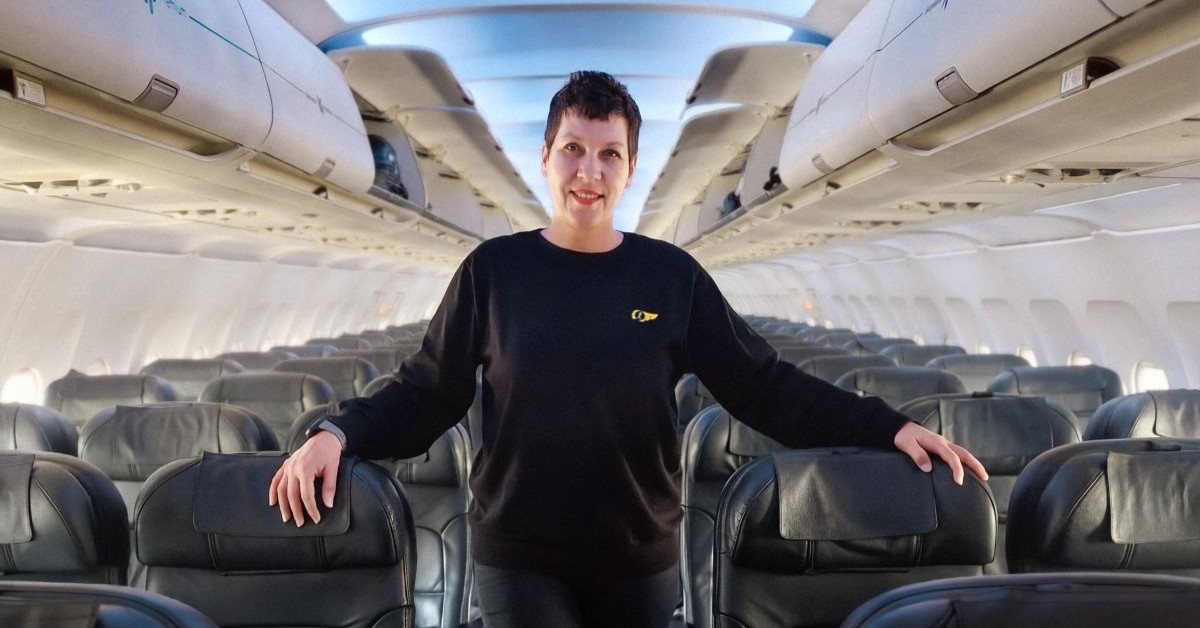
In aviation, safety is never left to chance, and for Esmé Eloff, Cabin Designated Examiner (CDE) at LIFT, ensuring that standards are met is both a responsibility and a calling. Eloff plays a critical role in shaping the next generation of cabin crew and pilots, training and assessing them on every aspect of aircraft cabin operations, from routine procedures to high-pressure emergency scenarios.
She describes the role as far more than service and travel, but a safety-critical profession that demands precision, discipline, and constant readiness. In this Q&A, she shares insights into her journey, the realities of aviation training, and what it truly takes to ensure excellence and safety in the skies.
1. Can you take us through your aviation journey and what first inspired you to pursue a career as cabin crew and later progress into training and examination roles?
A passion for travel, people, and adventure inspired me to pursue an aviation career. I’ve always loved the idea of connecting with others while exploring the world. I took a leap of faith, applied, completed my training, and discovered a career that challenges and inspires me every day.
2. What does your role as a Cabin Designated Examiner (CDE) involve on a day-to-day basis, and how has it evolved since you started?
My role is all about shaping confident, safety-focused aviation professionals. As a Cabin Designated Examiner (CDE), I train and assess both pilots and cabin crew on every procedure and piece of equipment in the aircraft cabin, during normal operations and emergencies. It’s a big responsibility, but also a true privilege, because I help ensure that every crew member is fully prepared to protect lives and deliver excellence in the air.
CDEs act as guardians of safety standards, ensuring that every crew member can handle both normal operations and critical emergencies. No two days are the same. It starts with a briefing, preparing the aircraft, welcoming passengers, ensuring safety, delivering service, and working closely as a team.
3. What is the biggest misconception about cabin crew work?
Many people think it’s just about travel and service, but the truth is it’s a safety-critical role. Behind every smile is a highly trained professional prepared for emergencies.
4. What motivated you personally to take a “leap of faith” into aviation, and what helped you push through any early challenges or uncertainty?
I’ve always loved the idea of connecting with others while exploring the world. I took a leap of faith, applied, completed my training, and discovered a career that challenges and inspires me every day.
5. What qualities do you believe are non-negotiable for anyone entering this profession?
Definitely confidence, strong safety awareness, clear communication, teamwork, and a positive attitude. It’s about how you perform under pressure that makes the difference.
6. How do you approach training individuals to remain calm, confident, and effective during emergencies?
I believe the key to effective emergency preparedness is repetition, realism, and confidence-building. In cabin crew training under the standards of the South African Civil Aviation Authority, I would focus on creating realistic scenario-based exercises that allow trainees to experience pressure in a controlled environment. I encourage trainees to rely on procedures, communication, and teamwork rather than emotion during emergencies.
By continuously practising drills such as evacuations, decompression procedures, firefighting, and first aid, individuals develop muscle memory and situational awareness. I also emphasise calm leadership, because passengers often take emotional cues from the cabin crew. Remaining composed, clear, and professional can significantly improve the outcome of an emergency.
7. What has been one of the most challenging or defining moments in your career, and what did it teach you about leadership and responsibility in aviation?
One of the most defining moments in aviation is handling situations where safety decisions must be made quickly under pressure while ensuring passengers remain calm and informed. Experiences like these reinforce that leadership in aviation is not about authority alone, but about accountability, discipline, and trust.
It taught me the importance of clear communication, teamwork, and adherence to procedures. In aviation, every action has consequences, and strong leadership means prioritising safety even when under operational pressure. It also highlighted the importance of supporting colleagues, maintaining professionalism, and staying adaptable in rapidly changing situations.
8. How do you instil a strong safety-first mindset in trainees?
I instil a safety-first mindset by helping trainees understand that safety is the foundation of every role in aviation, especially cabin crew. Procedures are not simply rules to memorise -they are designed to protect lives. I encourage trainees to develop discipline, attention to detail, and personal accountability from the beginning of training.
This includes reinforcing standard operating procedures. I also believe in leading by example. When trainees see professionalism, preparedness, and commitment to safety consistently demonstrated, they are more likely to adopt those standards themselves.
9. For young women considering aviation in South Africa, what practical steps would you recommend they take to prepare themselves for entry into the industry?
You can only prepare for the interview, and for this, my advice is to go in prepared, but also be ready to think on your feet. Airlines are not only looking for the “right” answers, but they are also looking for how you handle the unexpected.
In an interview, you may be given unusual or challenging scenarios (both service and safety-related). This is your moment to shine! Be creative, confident, stay calm, and show that you can think clearly while still putting safety and the passenger first. There is no “perfect script,” but there is a right mindset: Stay professional, be solution-focused, and always work within safety and customer service expectations.
Most importantly, let your genuine personality come through. Be warm, confident, and approachable. Show that you care about people, that you can adapt, and that you’re someone others would feel safe with in any situation. Remember that a great cabin crew is not just trained, they are trusted. Show them you are someone they can trust.
10. Beyond qualifications, what personal traits or attitudes make someone stand out during selection and training?
A great cabin crew member is calm, caring, and confident. You need to be adaptable, a strong team player, and someone who can stay positive, even in challenging moments.
11. How do you maintain your own confidence, focus, and resilience while working in a role that carries such high responsibility for passenger safety?
I maintain my confidence by trusting the training and experience I have built over time. I stay focused by always keeping passenger safety as the top priority and following procedures step by step. Resilience comes from staying calm under pressure, using positive thinking, and encouraging teamwork – because when we support each other, we can handle any challenge together.
12. What advice would you give your younger self, and what message would you share with women who are still unsure whether they belong in aviation?
I would tell my younger self to believe in the dream and to keep going, even when the path feels uncertain. Stay committed, work hard, and trust yourself, because you are stronger and more capable than you realise.
To women who are still unsure whether they belong in aviation, my message would be simple: there is absolutely a place for you here. Aviation needs different strengths, perspectives, and voices, and women bring incredible value through empathy, resilience, professionalism, and determination. If you have the passion, do not let doubt hold you back. The sky is open to you.