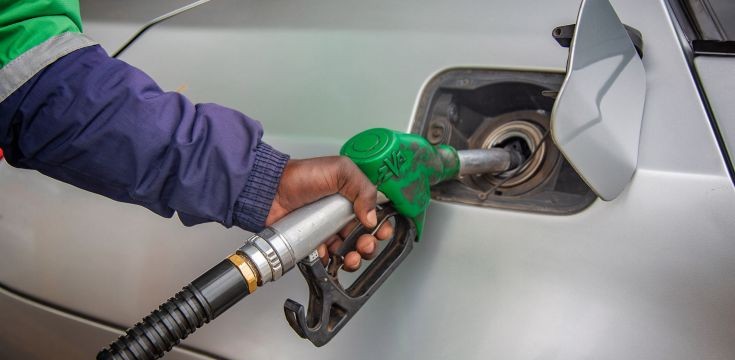
South Africans are bracing for a sharp increase in fuel prices from April, with petrol and diesel expected to rise by some of the largest margins seen in years. These increases are being driven by a mix of global oil price pressures, geopolitical instability, and local taxes, and while the causes may be outside our control, the impact on household budgets is very real.
Luke Davis-Ferguson, from Fiscal Private Client Services, says for many households, fuel is not a “nice‑to‑have” expense; it is a fixed, unavoidable cost that underpins daily life. Including getting to work, school runs, deliveries, client visits, and weekend commitments. When fuel prices rise sharply, the knock‑on effect is often felt immediately, and not just at the pump. Higher transport costs feed into food prices, services, and general living expenses, quietly stretching already tight budgets.
So, what can be done when a cost you cannot control suddenly takes a bigger bite out of your income?
Small changes behind the wheel can add up
While no one can control fuel prices, most drivers have more control over fuel consumption than they realise. Small behavioural adjustments can meaningfully reduce monthly fuel spend over time. Simple habits matter.
- Aggressive acceleration, speeding, and harsh braking all increase fuel consumption.
- Driving more smoothly, maintaining a steady speed, and anticipating traffic flow can reduce fuel usage without adding time to your commute.
- Keeping tyres properly inflated and ensuring your vehicle is regularly serviced also improves fuel efficiency and reduces long‑term maintenance costs.
- Planning trips more intentionally is another often overlooked opportunity.
- Combining errands into one outing, avoiding peak traffic where possible, and using navigation apps to sidestep congestion can reduce both fuel usage and frustration.
For households with more than one vehicle, it may also be worth reviewing which car is used for which trips. Using a more fuel‑efficient vehicle for daily commuting, where possible, can make a noticeable difference over a month. None of these changes is dramatic on its own, but together they can soften the impact of rising fuel prices.
Rising fuel costs are a budget wake‑up call
Fuel price hikes have a way of exposing weaknesses in a household budget. When a single expense increases sharply, it forces everything else to compete for limited cash flow. This makes April a good moment to step back and review your budget, even if you already have one in place.
The goal is not to cut “important” items like insurance, medical aid, or retirement savings to make room for fuel. Those are foundational expenses that protect your future. Instead, the focus should be on identifying overspending that has crept in quietly over time.
Subscription fatigue is a common example. Streaming services, app subscriptions, gym memberships, and digital tools often accumulate unnoticed. Another area is lifestyle spending that feels small in isolation but large in aggregate: frequent takeaways, impulse online purchases, or convenience spending driven by busy schedules.
A useful exercise is to look at three months of bank statements and group spending into broad categories. Patterns usually emerge quickly. The aim is not perfection, but awareness. Even modest adjustments, such as setting a weekly discretionary spending limit or planning meals more intentionally, can free up cash flow without materially lowering quality of life.
Build flexibility into your finances
One of the biggest challenges with expenses like fuel is their unpredictability. Prices can rise quickly and remain elevated for months. This is where flexibility becomes more important than precision. Households with some financial slack are better positioned to absorb these shocks without stress. This might mean maintaining a small buffer in your monthly budget, strengthening your emergency fund, or ensuring that short‑term cash flow is not overly stretched by long‑term commitments.
If your budget currently has no breathing room, fuel price increases can act as a catalyst for broader financial improvements. Sometimes the issue is not spending too much, but structuring finances inefficiently: debt repayments that are misaligned with income, savings strategies that are too rigid, or insurance cover that no longer reflects current needs.
Why advice matters when costs keep changing
Rising fuel prices are a reminder that personal finance is not static. Costs change, priorities shift, and external shocks are unavoidable. A well‑constructed financial plan is not just about investments or retirement projections. It is about creating a structure that can adapt when life becomes more expensive.
This is where working with a financial planner adds value. A good planner helps you see the full picture, not just where to cut, but how to rebalance, prioritise, and plan sustainably. That might involve stress‑testing your cash flow, refining your budget, or ensuring that short‑term pressures do not derail long‑term goals.
Fuel prices will rise and fall. The households that cope best are not those who predict the next increase, but those who have built resilient financial systems that can absorb it.
For more on personal finance, see www.fiscal.co.za