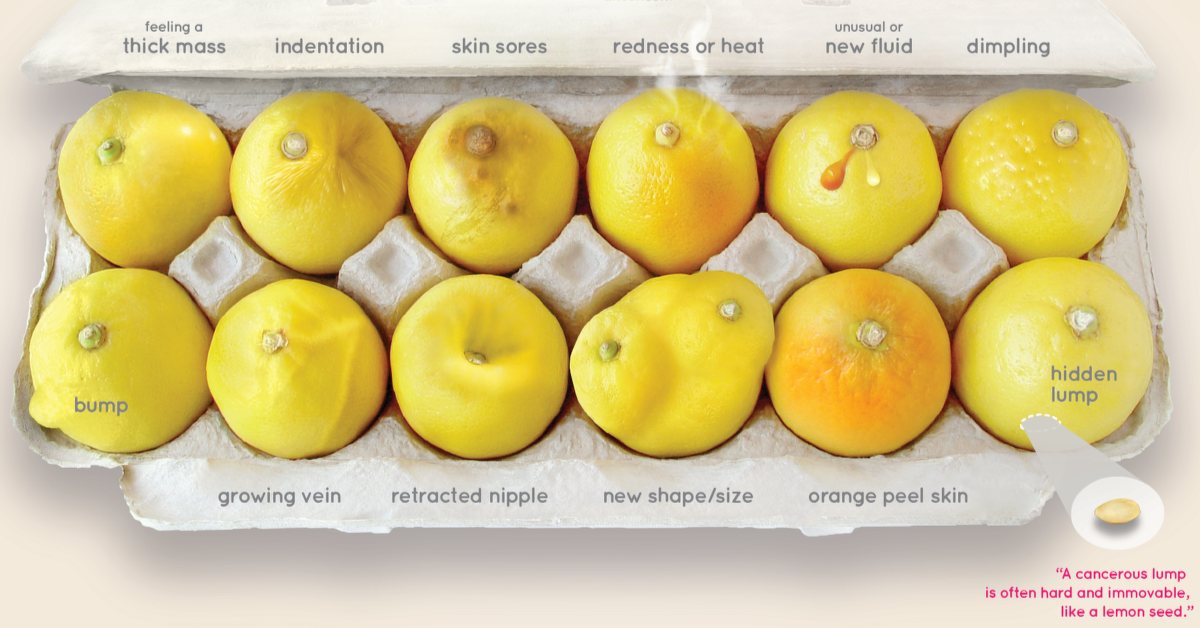
Breast cancer is one of the most common cancers affecting women worldwide, but awareness can make a meaningful difference. Knowing what is normal for your body, understanding your personal risk, and seeking medical advice when something changes are important steps every woman can take.
Breast cancer does not always cause obvious symptoms in its early stages. That is why being informed and taking your breast health seriously matters not just during Breast Cancer Awareness Month, but throughout the year.
Know what is normal for you
There is no single “normal” breast shape or size, and breasts naturally change throughout a woman’s life. Hormonal changes, pregnancy, breastfeeding, ageing and the menstrual cycle can all affect how your breasts look and feel. The important thing is to become familiar with your own breasts so that you are more likely to notice a change that is unusual for you.
Changes worth paying attention to include:
- A new lump or thickening in the breast or underarm
- A change in the size or shape of a breast
- A change in the appearance of the skin, such as dimpling, puckering or redness
- A change in the nipple, including a nipple that turns inward unexpectedly
- Unusual nipple discharge, particularly if it is bloody
- Persistent pain or discomfort in one area of the breast
- A change that does not go away or that concerns you
Not every breast change is cancer. Many changes are caused by benign conditions. But the only way to know what is causing a new or unusual change is to have it assessed by a healthcare professional.
Understand your risk
Breast cancer can affect women of different ages and backgrounds. While some factors cannot be changed such as age, family history and certain inherited genetic mutations others are linked to lifestyle and reproductive factors. Your risk may be higher if you have a strong family history of breast or ovarian cancer, have previously had certain breast conditions, or carry an inherited gene mutation associated with breast cancer.
This doesn’t mean that you will develop breast cancer. It means that understanding your personal risk can help you and your healthcare provider make informed decisions about screening and prevention. If several close relatives have had breast or ovarian cancer, particularly at younger ages, speak to your healthcare provider about whether you may benefit from a formal risk assessment or genetic counselling.
Screening matters
Breast awareness and screening are not the same thing. Being breast aware means knowing your breasts and noticing changes. Screening involves testing women who may have no symptoms to detect breast cancer earlier. The appropriate screening approach depends on factors such as your age, personal risk, and medical history. Mammography is an important screening tool, while ultrasound and other imaging may be recommended in particular circumstances.
Rather than relying on a one-size-fits-all approach, talk to your healthcare provider about when you should start screening and how often you should have it. If you have symptoms or notice a change, don’t wait for your next routine screening appointment. Make an appointment with a healthcare professional.
Early detection can make a difference
One of the most powerful messages in breast cancer awareness is simple: don’t ignore changes. Finding breast cancer at an earlier stage can provide more treatment options and may improve outcomes. This is why knowing your body, understanding your risk, and keeping up with appropriate screening are so important. At the same time, awareness should not mean living in fear. The goal is to give women the knowledge and confidence to act when something doesn’t feel right.
Take care of more than your breasts
Breast health is part of your overall health. Regular physical activity, maintaining a healthy weight, limiting alcohol, not smoking and following a balanced lifestyle can contribute to better overall health and may help reduce the risk of several chronic diseases, including some cancers. But healthy lifestyle choices do not eliminate the possibility of breast cancer. Women who live healthy lifestyles can still develop the disease, which is why awareness and appropriate screening remain important.
Don’t put yourself last
Women often spend their days looking after children, partners, parents, colleagues and everyone else around them. It can be surprisingly easy to postpone your own appointments or convince yourself that a change is “probably nothing”. Your health deserves a place on your priority list. If you have noticed something different, make the appointment. If you’re due for screening, find out when and where you should have it done. If breast cancer runs in your family, talk to a healthcare professional about your risk.
You don’t need to be frightened to be proactive. You simply need to pay attention.
This Breast Cancer Awareness Month, make a promise to yourself:
Know your body.
Know your risk.
Know when to seek help.
And don’t be afraid to put your health first.
This article is intended for general awareness and educational purposes and should not replace professional medical advice. If you notice a new or unusual breast change, speak to a qualified healthcare professional.