Cervical cancer remains a major health concern. In 2022, about 10 532 South African women were diagnosed with cervical cancer, and 5 976 died from it. World Cancer Research Fund data also indicates that women face a one-in-41 lifetime risk of developing cervical cancer. These figures show why unusual vaginal bleeding should not be dismissed. Bleeding during or after sexual intercourse, known as postcoital bleeding, may range from light spotting to bleeding that resembles a period.
In most cases, the cause is not cancer. Vaginal dryness, infections, cervical inflammation, small tears, or non-cancerous growths can all cause bleeding. However, postcoital bleeding can also be an early symptom of cervical cancer and should be checked by your doctor, especially if it happens more than once.
Why Can Cervical Cancer Cause Bleeding?
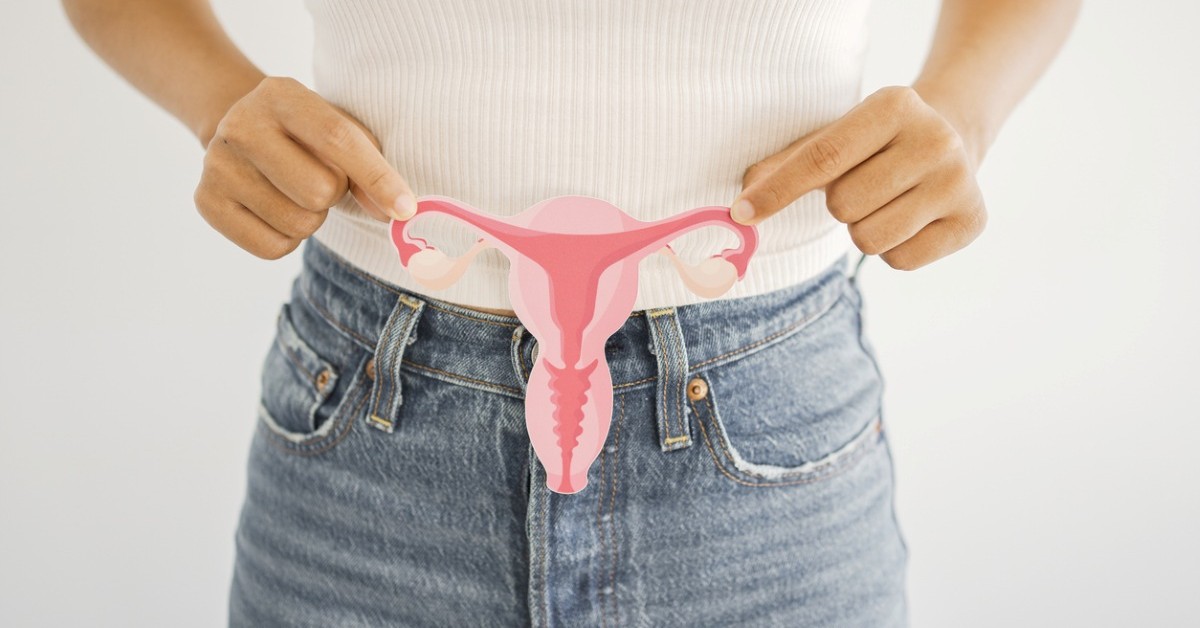
The cervix is the lower, narrow part of the womb that opens into the vagina. When cervical cancer develops, abnormal tissue may form on the cervix. This tissue can contain fragile blood vessels that bleed easily when touched or disturbed during sex. You cannot tell from the amount or colour of the blood whether cancer is present. A systematic review of postcoital bleeding and cervical cancer found that bleeding after sex has many possible causes and that the available evidence could not accurately predict an individual woman’s cancer risk.
Bleeding after sex can come from the vagina, cervix, or womb. Possible causes include:
- Vaginal dryness or not enough natural lubrication.
- Friction during sex, which can cause small cuts or tears.
- Inflammation or irritation of the cervix.
- Sexually transmitted infections, such as chlamydia or gonorrhoea.
- Small growths on the cervix, called cervical polyps, which are usually not cancerous.
- Delicate cells growing on the outside of the cervix, making it bleed more easily.
- Hormonal changes caused by pregnancy or menopause.
- Abnormal cells or cancer of the cervix, vagina, or womb.
Vaginal dryness becomes more common during and after menopause, as falling oestrogen levels can make the vaginal tissue thinner and more easily damaged. Even when dryness seems to be the likely cause, new bleeding after menopause must always be investigated.
What Happens During the Check-Up?
A healthcare professional will ask when the bleeding began, how often it happens, whether there is any pain, and when you last had a period. They may also ask about pregnancy, contraception, unusual discharge, previous cervical screening results, and the possibility of a sexually transmitted infection. Depending on your symptoms, you may need a pregnancy test, tests for infection, and an examination of the vagina and cervix. If anything unusual is found, you may be referred for further tests, such as a colposcopy or biopsy.
Speak to a healthcare professional if bleeding after sex happens along with any of the following:
- Bleeding between periods or after menopause.
- Ongoing pain in the lower stomach, pelvis, back, or legs.
- Pain during sex.
- Watery, bloody, or unpleasant-smelling vaginal discharge.
- Unexplained weight loss, constant tiredness, or loss of appetite.
- Vaginal discomfort or swelling in the legs.
Cervical Cancer Can Often Be Prevented
Almost all cervical cancers are caused by persistent infection with high-risk types of human papillomavirus, or HPV. According to the World Health Organization(WHO), women living with HIV are six times more likely to develop cervical cancer than women without HIV. HPV vaccination, regular cervical screening, and early treatment of abnormal cells can prevent many cases.
Screening remains important because precancerous cervical changes usually cause no symptoms. Anyone experiencing unusual bleeding should seek medical advice, even if their previous cervical screening result was normal.
World Cervical Cancer Elimination Day is a reminder that embarrassment should never prevent a woman from asking for help. Bleeding after sex is often caused by a non-cancerous condition, but medical assessment is the only safe way to establish the cause.