Here’s the truth: nagging and arguing with your child doesn’t work. We parents often get in a rut—out of stress, frustration, or just not knowing any other way—and so we do the same thing over and over again, expecting different results. It’s important to understand that yelling and nagging won’t get you anywhere—and will ultimately create a negative pattern in your relationship. When you do this, all your child will learn to do is tune you out. This allows them to gain more power and control, rather than becoming more responsible.
So, Why Doesn’t Nagging Work?
The reason nagging doesn’t work is that kids understand that we are just going to say the same thing over and over and not follow through or hold them accountable. Little by little, kids push our limits, responding more slowly to the request, ignoring the “or else,” or just ignoring us altogether. We nag more, they disregard us more, and it becomes a vicious cycle. The good news is that when you can stop nagging and do things a little differently, your child will take notice.
Focus on one chore at a time
In order to change behaviors, don’t try to take on too many things at once. It will just overload both you and your child. It becomes overwhelming to try to change too many things at once. Pick the most bothersome problem—let’s say it’s putting their dirty clothes in the hamper—and start there. This focus will help both you and your child set realistic expectations, follow through, and ultimately succeed.
Plan how you are going to intervene differently
Not nagging, pleading, or yelling may feel strange and uncomfortable to you at first. Act as if you are confident and you mean business. If you’re able to do this, you will learn how to be more comfortable over time. Changing our behaviors as parents can feel strange and new, and maybe even a bit disingenuous in the beginning but we need to be good actors.
Understand that it’s the change in our behavior that will catch our kids off-guard. They have become used to the same repetitive requests and yelling from us, not unlike a mantra or chant—or white noise that they have gotten good at completely ignoring. Kids get so used to it, in fact, that they know exactly what we’re going to say, and how far things go before they have to respond.
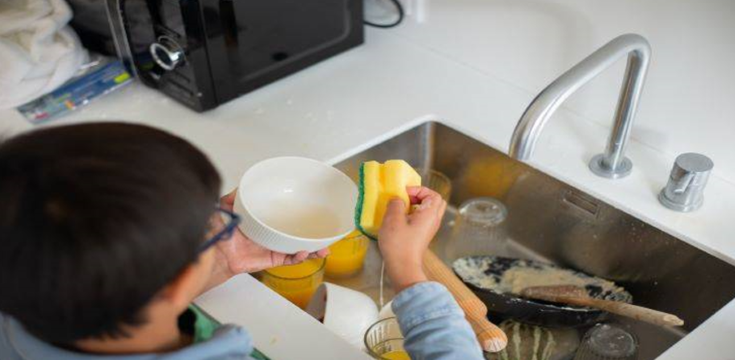
We say things like: “Do the dishes—I mean NOW!” and then neglect to follow through on the limits or consequences we’ve set. Instead, try saying calmly and with authority, “Your responsibility this week is to do the dishes. Please get these done before you watch any TV tonight.”—and then turn around and leave the room.
The point is, instead of our nagging and arguing becoming louder, harder, and more intense, we can find alternative ways to communicate our expectations. After doing this for a while, you will see your child take notice and begin to show that they know that you mean business. It’s important to remember that our kids really want structure and limits from us because it makes them feel safer.
Explain to your child that you are going to do things differently
Tell your child that things are going to change, and don’t make it a long lecture. Be succinct and clear in your directions. Remember, this is not a discussion, and definitely not a debate. Plan out what you are going to say and set up where and when you’re going to deliver the message. For example, call a family meeting and say, “We’re here to tell you what we expect of you.
These are the rules of our house. We all take responsibility to do the chores, and this week your chore is the trash and recycles.” If you’re having trouble establishing your authority as a parent, you may even go so far as to plan where you sit to reflect that you’re in charge. A single mother I knew planned to tell her kids the new clear expectations at the dinner table after dessert while sitting at the head of the table.
Be clear about the consequences of not doing the chores
Be upfront about the consequences if your kids don’t follow through on their chores. Don’t box yourself in, but let them know what the results of their actions—or lack of actions—will be. Make sure the consequences you set up are age-appropriate.
For younger children or kids who are pretty disorganized
With younger kids, kids with ADHD, or those who lack organizational skills, you may need to help them figure out how to approach a task. Their room may be so messy and full of stuff that they really don’t know where to begin and simply give up. You may want to take time to start the organization process to ensure ultimate success.
You can say, “Okay, let’s start with your dirty clothes, then your bed, then the floor…” and take it from there. A chore chart or a list of things they need to do to complete the chore might also come in handy. It’s important to remember that the goal of setting expectations for our kids and holding them accountable is to make them responsible, successful members of society.
Always ask yourself, “What does my child need from me right now?” Nagging and arguing won’t help you get to your goal, but setting clear expectations and following through will.