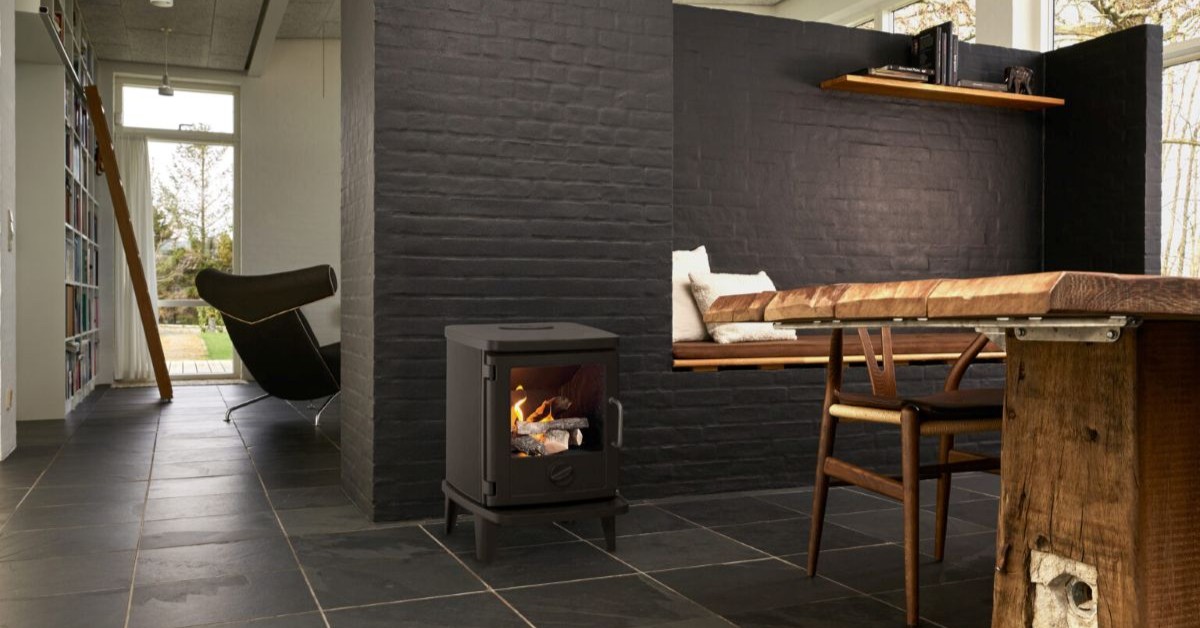
As winter settles across South Africa, the home once again becomes more than just a place to live. It becomes a sanctuary, a space for slowing down, reconnecting, and creating comfort amid colder days and longer nights. In 2026, winter living trends are moving beyond aesthetics alone, with homeowners increasingly seeking interiors that feel personal, adaptable, and emotionally grounding. This season, two defining themes are shaping the way people design and experience their homes: storytelling interiors and flexible, modular living.
Homes That Reflect Personality and Meaning
Interior design trends are shifting away from overly curated spaces and uniform décor choices. Instead, there is growing appreciation for interiors that feel authentic, layered, and deeply personal. Homes are increasingly becoming reflections of the people who live in them, showcasing meaningful objects, collected pieces, natural textures, and design elements that evoke memory and comfort.
From vintage furniture and handcrafted ceramics to textured fabrics and earthy colour palettes, storytelling interiors focus on creating spaces with character rather than perfection. The emphasis is on warmth, individuality, and emotional connection, with spaces that feel lived-in and welcoming rather than staged for display.
Central to this movement is the desire for tactile comfort during winter. Soft lighting, natural materials, layered textiles, and statement heating features are all playing a key role in creating inviting environments that encourage relaxation and togetherness.
A cast-iron stove naturally complements this design direction. With its timeless silhouette, sculptural presence, and radiant warmth, it becomes more than a practical feature; it becomes a focal point that adds atmosphere and depth to a room. Increasingly, homeowners are choosing heating solutions that enhance the space’s overall aesthetic while also improving comfort and functionality.
The Rise of Flexible and Modular Living
Alongside the shift toward more expressive interiors is a growing demand for flexibility within the home. Modern lifestyles require spaces that can adapt easily throughout the day, serving as areas for work, entertaining, rest, and family life.
As open-plan living continues to evolve, modular furniture, movable décor elements, and multifunctional zones are becoming essential components of contemporary interior design. Homeowners are prioritising pieces that offer both practicality and visual appeal, allowing spaces to evolve alongside changing needs and routines.
Bio stoves are increasingly aligning with this trend due to their versatility and ease of use. Unlike traditional fireplaces, bio stoves require no chimney, flue, or permanent installation, making them a flexible heating solution for modern homes. Their portability allows them to be repositioned between rooms or incorporated into different layouts as living spaces change over time.
Beyond their functional benefits, bio stoves also contribute to ambience and atmosphere, offering the visual warmth of a real flame while supporting cleaner, more adaptable living environments. Whether creating a cosy reading corner, enhancing an entertainment space, or adding warmth to an open-plan living area, they provide a balance of design and practicality that resonates with today’s homeowners.
Designing for Comfort and Connection
The winter living trends of 2026 reflect a broader shift toward intentional living homes designed not only to look beautiful, but to support wellbeing, comfort, and meaningful everyday experiences.
Rather than following rigid trends, homeowners are increasingly embracing spaces that evolve naturally over time, blending personal expression with functional design. The result is interiors that feel warm, grounded, and connected to the rhythms of real life.
This winter, the focus is not simply on staying warm but on creating homes that tell a story, adapt effortlessly, and offer a lasting sense of comfort.
For more information, visit Morsø South Africa