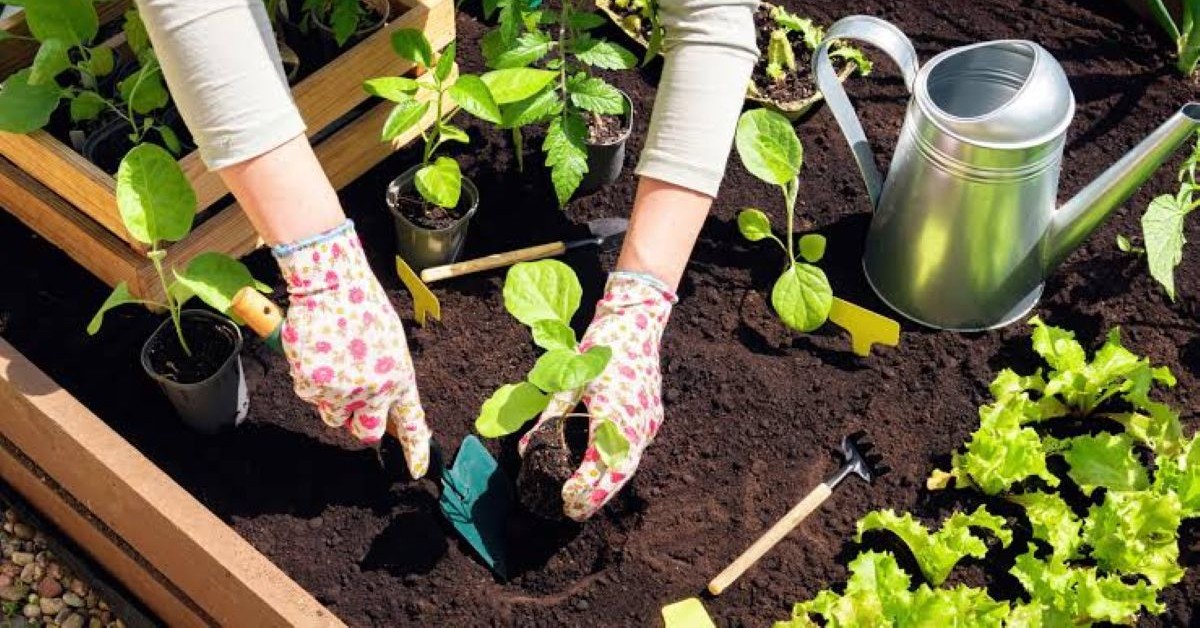
There’s a particular kind of optimism that arrives with spring, inspiring a familiar ritual among gardeners, from the seasoned to the enthusiastic and sometimes the reluctant, to head for the nursery. “It’s exciting to plant things for the summer,” says Kate Johnson, Operations Manager at South African Landscapers Institute (SALI) KZN, and partners of Husqvarna South Africa in the region.
“But before adding anything to your outdoor space, it might be worth doing something else first: assessing your garden with fresh eyes and really seeing what you’ve stopped noticing.” “Then ask yourself what needs doing and what you’ve been putting off,” she adds. “It’s just like spring cleaning a house: make an honest call on what has passed its ‘need-by’ date, declutter, clean and refurbish if required. That way, your effort goes where it actually counts.”
1. The plants that have outgrown their welcome
It was the right size once, and now the plant has spread so much it’s practically swallowed its neighbours… again. You’ve been meaning to get it under control, so this spring, decide: does it just need a good trim, a harder prune, or has it simply outgrown the space altogether? Then there’s the other kind: a perfectly healthy plant that’s simply in the wrong place, demanding more water and attention than you have time to spare. Move it, rethink what’s around it, or let it go. Not every plant necessarily needs another season of good intentions.
2. The deadwood hiding
Dead or damaged branches aren’t always obvious. Tucked inside a shrub’s canopy or high in a tree, they can go unnoticed, especially once new growth starts covering them up. That is, until they affect a plant’s shape or health, or become a genuine hazard. That’s why it’s worth inspecting established trees and larger shrubs up close, rather than giving them a passing glance.
3. The garden graveyard
It’s a familiar sight in many gardens: the corner right at the back where DIY offcuts, leftover paving stones or bricks, old outdoor toys and things with no obvious home have been piling up for months, or even years, waiting for a “someday” that never arrives. If it’s been sitting untouched this long, ask yourself whether it’s actually worth saving, or if you’ve just avoided dealing with it. Then there’s that cluster of pots holding something dead, something half-dead, or nothing at all, kept “just in case”. This spring, be ruthless about which ones still have a job to do. A pot that hasn’t held a living plant in over a year isn’t storage; it’s clutter.
4. The ‘someday’ project
The half-started veggie bed. The herb garden that never quite happened. The patch of ground earmarked for a water feature a year ago that’s now just bare dirt or weeds. These aren’t failures, just intentions that never had a deadline. Now’s the time to give the project an actual start date or clear the area and plant grass.
5. The supporting cast
Every garden has its supporting cast: the trellis, the edging, the raised bed, perhaps a bench or birdbath. All are exposed to the elements over time, and even the hardiest can start showing it. Which, if any, need repairing or restoring, and which have reached the end of their run?
6. The shed’s lost and found
Loppers you can’t find, extra tools bought because the originals went missing (only to mysteriously reappear), the mower you took apart intending ‘to fix’ it… Garden tools and unused equipment, like most things, have a way of accumulating. Why not give your shed a proper clear-out this year? Bin what’s beyond saving, donate what’s useful but not needed, and, before the season’s work begins, have your outdoor power tools serviced.
Spring has a way of energising people to get stuck into their gardens, and sometimes the best place to start is by tackling those bugbears first, so your outdoor space can work for you instead of the other way around.
For ambitious garden projects, design inspiration, or jobs requiring specialist knowledge, visit www.sali.co.za to find a registered SALI landscaper near you.