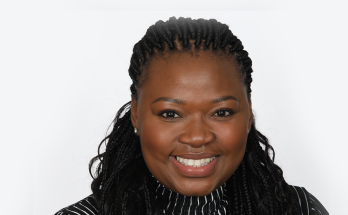
Financial independence is often presented as something that happens once you reach a certain salary, savings balance, or level of wealth. Nicola Langridge, Financial Planner of the Year 2025, says financial wellbeing is not just about how much money you have, but how well you use what you have to achieve your goals. For Women’s Month, Langridge unpacks five common money beliefs that can hold women back from taking greater control of their financial futures.
Myth 1: You need to have “enough” money before you can achieve financial freedom
One of the biggest misconceptions is that financial freedom is something you achieve only once you have saved up enough money, and financial wellbeing isn’t necessarily about how much money someone has. Whether someone has R50 000 or R50 million, what matters is how well their resources support their goals and priorities. Financial freedom comes from knowing what matters most to you and being intentional about directing your money towards that vision. The goal, therefore, isn’t necessarily to have everything. It is to have enough for the life you want to live.
Myth 2: If I trust my partner, I don’t need to understand our finances

Delegating the financial decisions entirely to a partner can seem convenient, particularly in relationships where one person naturally takes the lead on money matters. But Langridge believes women should understand their own financial position, regardless of their relationship status. Trust is important in relationships, but so is understanding your finances.
Women should know what assets exist, how those assets are structured, what debts are outstanding, and what the financial implications could be if circumstances change. This applies whether someone is married, cohabiting, or in a long-term partnership. Being financially informed isn’t about mistrusting a partner. It is a form of self-care and resilience.
Myth 3: Financial independence requires a big financial breakthrough
It’s easy to believe that building wealth requires a major salary increase, a successful investment, or some other dramatic financial breakthrough. Financial independence is built through small, consistent actions over time, not through dramatic financial breakthroughs. Regular investing, increasing savings when income rises, having appropriate insurance, and continually improving financial knowledge can all contribute to stronger financial outcomes over the long term. Start where you are, with what you have, and build from there.
Myth 4: Women should automatically be more conservative investors
One piece of financial advice Langridge believes is outdated is the assumption that women should take less investment risk simply because they are women. Risk tolerance should instead be based on an individual’s goals, time horizon, financial circumstances, and personality, rather than their gender. In fact, women often live longer than men, which means their money may need to last for longer too. The question isn’t whether women should avoid risk altogether. It’s about understanding which risks are worth taking and which risks could ultimately prevent you from achieving your goals.
Myth 5: You need to be a financial expert to feel confident about your money
Financial confidence doesn’t mean knowing every answer or understanding every part of investing and financial planning. Instead, Langridge recommends developing a simple but powerful habit: have a regular “money date” with yourself. Once a month, set aside time to review your finances, check your progress towards your goals, understand where your money is going, and adjust where necessary.
Just as people make time for health check-ups and work meetings, financial wellbeing also deserves regular attention. Financial confidence doesn’t come from knowing all the answers; it comes from regularly engaging with your finances and feeling empowered to make decisions about your future.
Start where you are
Financial independence is about being informed, taking consistent action, and making intentional decisions about the future you want to build. For women ready to take greater control of their financial futures, speaking with a qualified financial planner can help turn those goals into a clear, structured plan.