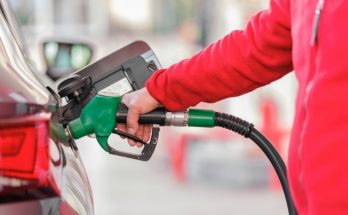
With the long weekend approaching and the June school holidays following closely, many South African households are already doing the same calculation: how far can we actually go, and how many tanks of fuel will it take to get there? Every kilometre needs to be planned and accounted for, but one of the most effective ways to stretch a holiday fuel budget doesn’t start at the pump or with driving habits.
While most motorists focus on fuel stops, accommodation, and route planning, tyres play a direct role in how efficiently a vehicle uses fuel and how safely it handles long winter journeys. Tyres that are not correctly inflated or properly maintained increase rolling resistance, which forces the engine to work harder and consume more fuel over distance.
The hidden cost of under-inflation
One of the most common issues ahead of long trips is incorrect tyre pressure. Under-inflated tyres not only reduce handling and braking performance but also increase rolling resistance, a key factor that can quietly push up fuel consumption during highway driving. They are also one of the leading contributors to tyre failure and can increase the risk of aquaplaning on wet winter roads, where grip is already reduced by changing weather conditions.
Alignment and balance affect more than comfort
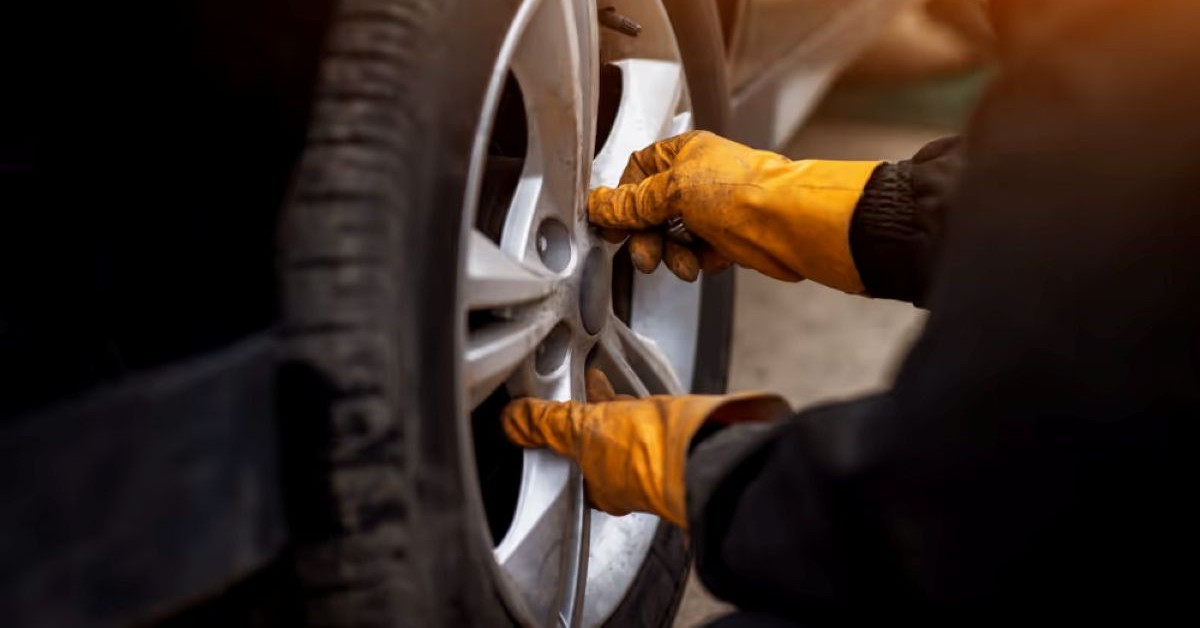
Wheel balancing and alignment are often treated as maintenance issues linked to comfort, but on long holiday drives, their impact becomes far more significant. Misaligned wheels can lead to uneven tyre wear, unstable steering, and increased resistance on the road surface.
Over extended distances, this doesn’t just affect driving comfort; it can also reduce efficiency and increase fuel consumption without the driver realising it. With holiday travel typically involving heavier loads and sustained highway speeds, these small inefficiencies add up quickly over hundreds of kilometres.
Tyre condition is where safety and savings meet
Beyond pressure and alignment, tyre condition remains a critical factor in both safety and cost efficiency. Worn tyres reduce grip, particularly in wet conditions that are common during South African winter travel. Cuts, cracks, bulges, or uneven tread wear can all compromise performance, especially when vehicles are fully loaded for long-distance trips.
The minimum tread depth recommendation of 1.6mm to maintain safe performance levels, and your tyres are the only point of contact between your vehicle and the road. When they are not in good condition, you are not only compromising safety, but you are also reducing the efficiency and stability of the entire vehicle.
The real holiday budget hack most drivers ignore
As fuel costs continue to shape how South Africans plan their travel, small efficiency gains become increasingly valuable. Tyre maintenance may not feel like a financial decision, but it directly influences how far each tank of fuel can take a family during the holiday period.
A simple pre-trip tyre check, pressure, alignment, balance, and tread condition can help reduce unnecessary fuel consumption while improving safety on busy winter roads. For motorists preparing to travel this June, start with the part of the vehicle that most affects fuel spend.