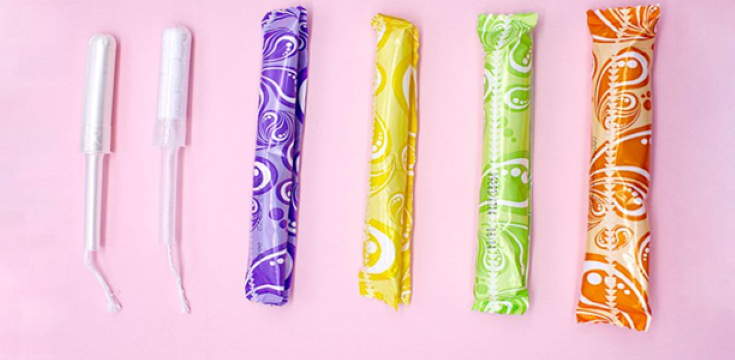
Using tampons can be a convenient and effective way to manage menstrual flow, but they aren’t without challenges. Here are some common problems people encounter and how to address them:
Difficulty Inserting or Removing the Tampon
Some users struggle with insertion, especially if they are new to tampons or feel tense. Relaxing the pelvic muscles and using a tampon with an applicator can help. When removing a tampon, it’s important to pull it out slowly and at a slight angle to reduce discomfort.
Leaks Despite Proper Use
Leaks can occur if the tampon isn’t absorbent enough for the flow. Choosing the correct absorbency level and changing the tampon regularly—typically every 4–8 hours—can prevent this issue.
Discomfort or Pain While Wearing a Tampon
A tampon should feel comfortable when correctly positioned. If there’s pain or discomfort, it may not be inserted deeply enough. Adjusting the placement or trying a different brand or size might help.
Forgetting to Remove the Tampon
Sometimes, especially towards the end of a period, people forget they are wearing a tampon. Leaving one in for too long (beyond 8 hours) increases the risk of Toxic Shock Syndrome (TSS), a rare but serious infection. Setting reminders or keeping track of tampon changes can help avoid this issue.
String Issues (Lost or Hard-to-Find String)
Though rare, a tampon string can sometimes tuck in, making removal tricky. Squatting, gently bearing down, or feeling around with clean fingers can help retrieve it.
Risk of Toxic Shock Syndrome (TSS)
TSS is associated with prolonged tampon use. Symptoms include fever, rash, and flu-like symptoms. To minimize risk, use tampons with lower absorbency when possible and never exceed the recommended wear time.
Vaginal Dryness or Irritation
Tampons absorb not only menstrual flow but also vaginal moisture, which can lead to dryness and irritation. Using tampons only when necessary, alternating with pads, or trying tampons made for sensitive skin can help.
Environmental and Disposal Concerns
Tampon disposal can be a challenge, especially in places without proper waste bins. Wrapping used tampons in toilet paper and disposing of them in designated waste bins is the safest approach. Avoid flushing tampons, as they can cause plumbing issues.
To address these problems, individuals can consider alternative menstrual products like pads, menstrual cups, or period panties, and they can consult healthcare professionals or seek advice from friends or online resources to ensure proper usage and care. If you experience persistent issues or have concerns, it’s a good idea to consult a healthcare provider for guidance.