1. What first inspired your passion for wildlife advocacy, and what motivated you to dedicate your life to this cause?
Ever since I was a little girl, as far back as I can remember, I have had a passion for animals. It is innate; therefore, I have never needed motivation. Conservation has traditionally been a male-dominated field. As a woman working on the front lines of wildlife protection, what challenges have you faced, and how have you overcome them?
I never even thought of it as being a male-dominated field. In fact, most of the people in the field that I look up to and admire are women. However, there are also many men that I admire in the field. I have only had one challenge. I was in a roadside zoo, which required me to be “undercover”. I was confronted and either pushed or hit by a man named Jay. I was lucky because there were volunteers in the same area. My team was 1 block away.
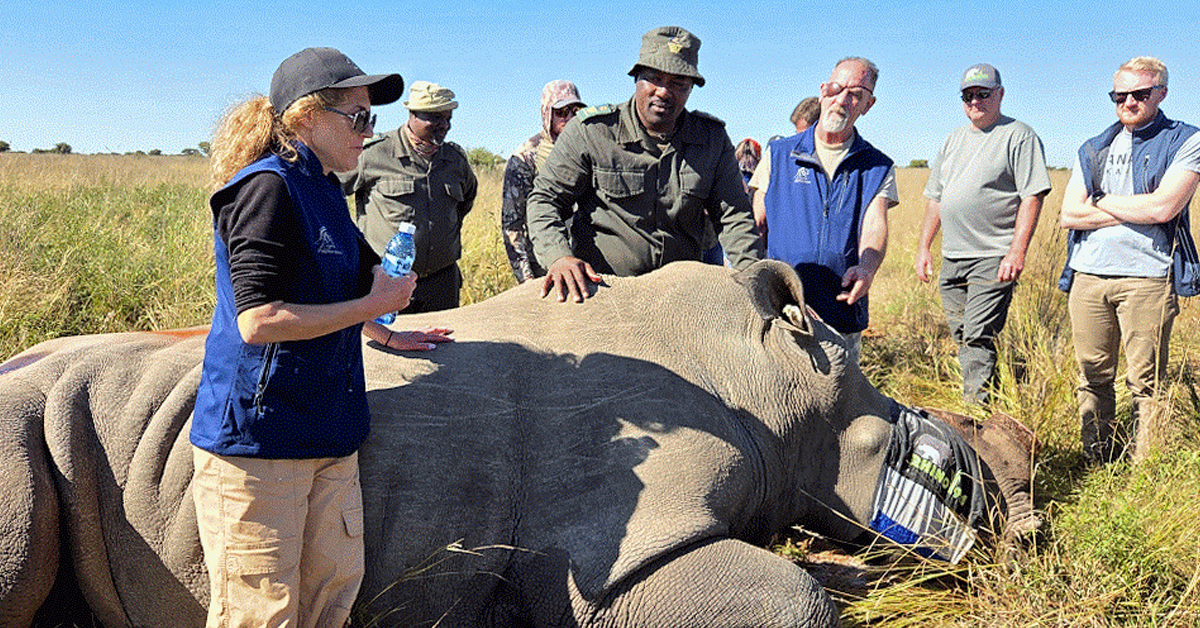
2. You’ve worked across the United States and Africa, supporting rescue initiatives and community education. Is there a particular experience that changed the way you view conservation and humanity?
I cannot pinpoint one particular experience. It evolved over the course of many years. The more I became aware of animal conservation, the more I wanted to learn. One defining moment involved my first trip to Africa in 2019. Afterwards, I watched the documentary “The Conservation Game”. I got directly involved with the main investigators in the documentary, and I also had phone conversations with a man who was switching from what he called “the commercial side to the sanctuary side.” He was a very nice and caring man who no longer wanted to be involved with the dark underworld of the exotic pet trade.
Another situation was when an extremely dangerous and somewhat powerful person surrendered their exotic pet for us to place in an environment better suited for the animal. The people who have exotic animals are not necessarily “bad or dangerous. You need to talk to them respectfully and come to an understanding between the way they believe and the way (you), the investigator, and the authority believe. Most of the time, all that is needed is education and an opportunity to have an alternative lifestyle, which can include a way to earn money and have social support with your new lifestyle.
3. Your latest book, The Animals Who Rescue Me, is described as your most personal work. What inspired you to tell your story now, and what do you hope readers will take away from it?
I broke my wrist, which required me to have surgery and multiple follow-up appointments with my orthopedic surgeon. During each visit, I told him an animal-related story or situation. At my 2nd-to-last visit, my doctor wanted to read my book. Two times I told him that I do not have a book, but he can read someone else’s book. The third time he insisted that he wanted to read MY book. When I came home, I thought, why not?
I have all of the knowledge and information, and I knew people to ask about something if I did not know the answer. It was just a matter of organizing it into a book. I really hope that readers take away the point that you do not need to choose who to help, people or animals. Everything you do to help will have a positive influence on both humans and animals. You do not need to be perfect, just do the best you can…and then do more! They look at the resource section, each sanctuary, organization, movie, and book, and dive deeper and educate themselves more.
Just because a place or organization uses the words “rehab, sanctuary, organic, medically tested”, and other “buzz” words, does NOT mean it is true or what the word implies. Research who you want to donate your time and money to, learn the TRUTH, and then make a decision
4. Can you share a moment in your journey when you questioned your path, and what gave you the strength to keep going?
I have never questioned my path and believe that it is a gift. I have become more aware of my limitations and what and when I can handle each situation. As a result, I never “question” myself; I simply take a step back or take a break.
5. What does leadership mean to you, and how has your definition of leadership evolved throughout your career?
I am not an expert on what leadership means. Personally, I do my best to walk the talk, not be a hypocrite, and give the information if it is wanted. I also will not push my beliefs and way of life onto someone else. It took and still takes time to realize that I am a “leader” with my knowledge and experience. I do not need to have a certain degree in my schooling or status in my career or society
6. For women who want to build careers in conservation, environmental advocacy, or social impact, what advice would you offer about making a lasting difference?
You are enough! Do not be pushy or patronizing. Just because someone has letters after their name does not mean that they are better or know more than you do. Pause…do not get yourself in a dangerous, possibly deadly situation. I have learned there are effective ways to help without hurting yourself or others.
To know that it is not all about cute little animals and people who are ethical. There is poop, urine, blood, tough physical labor, death, lying, cheating, stealing, and very dangerous people and animals. Tigers, lions, monkeys, etc. are not mean and don’t “turn” on their owner. The animal is just being the animal it was designed to be.
7. As we celebrate Women’s Month, what message would you like to share with women who are determined to create positive change, whether in conservation, business, or their own communities?
I do not feel that I have the authority, nor the responsibility, to give a message like that. Every woman is different. Each woman has her own experiences, resources, comfort levels, and journey to take. For me, I am thankful that I never succeeded at giving up.
Short bio:
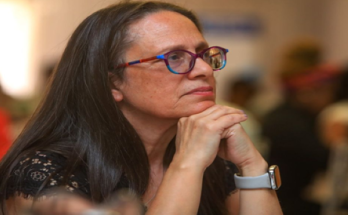
Leslie Siegel is a wildlife advocate and conservation activist whose work has taken her to some of the world’s most dangerous regions in the United States and Africa. Through her efforts, she has helped educate communities, support rescue initiatives, and encourage policies that promote humane treatment and environmental stewardship. Further, Siegel continually seeks to raise awareness about critical issues affecting wildlife protection, ethical conservation, and the interconnected challenges facing both animals and people. The Animals Who Rescue Me is her most personal work to date. She resides in Jupiter, Florida.
Contact Info: Leslie Siegel; lesliesiegel4@gmail.com