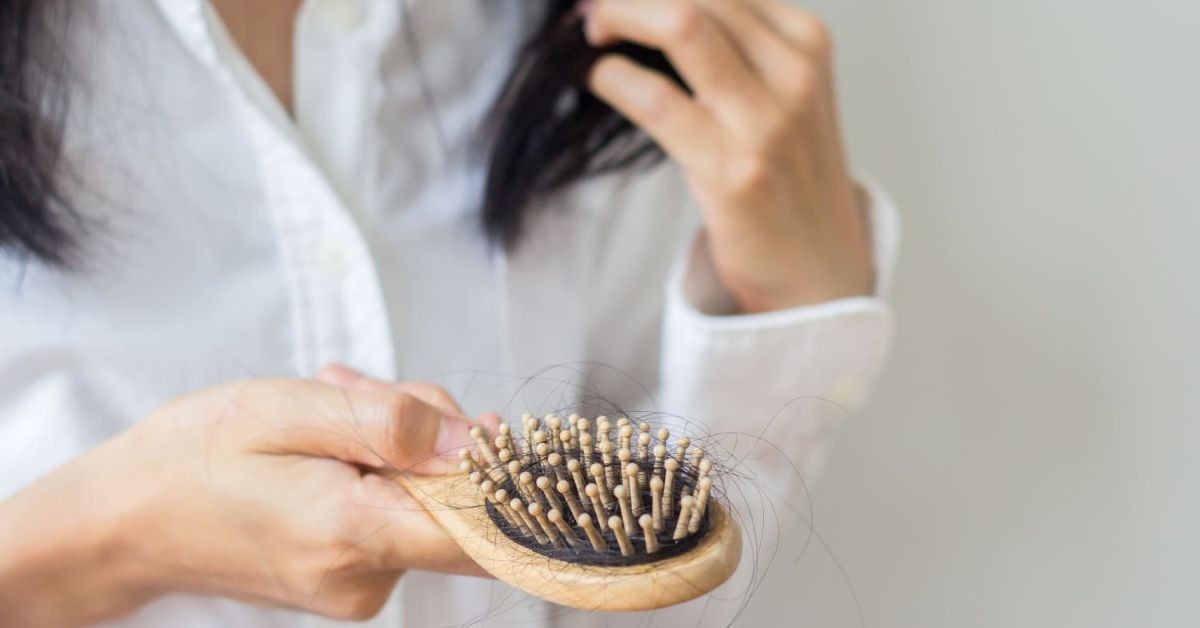
You probably wash your hair regularly, but when was the last time you cleaned your hairbrush? It takes only a few minutes and costs virtually nothing, yet the benefits for your hair and scalp can be significant. With every use, your brush collects oil, product residue, dead skin cells, loose hair, and even bacteria and fungi.
If left uncleaned, these impurities are transferred back onto freshly washed hair, potentially affecting its appearance, texture, and overall scalp health. Regularly cleaning your hairbrush is a simple habit that can help keep your hair looking fresher, healthier, and cleaner for longer.
Your brush harbors bacteria and fungus
Hairbrushes can harbor the bacteria and fungus that make up your scalp’s microbiome (the community of microorganisms that naturally live on your scalp). These organisms aren’t inherently harmful, but when they accumulate, along with oil and debris, they can affect scalp health. When this microbial balance is disrupted, it can impair hair growth and lead to dandruff, seborrheic dermatitis, folliculitis (inflammation or infection of the hair follicles), and acne.
Oil and products build up
Sebum, the oily substance released from the sebaceous glands on your scalp, acts as a conditioner, keeping your hair and scalp moisturized and healthy. Each time you brush your hair, some of that oil stays on your brush. Oil builds up very easily on a hairbrush, and that oil then gets redistributed onto freshly washed hair, which can make it look greasy more quickly and may make it feel weighed down.
Over time, this buildup may even contribute to scalp irritation. In addition, the built-up products and oil trapped in a dirty brush can create a breeding environment where Malassezia can thrive, which can worsen itching, flaking, and overall scalp inflammation.
Trapped flakes trigger an itchy scalp
Dead skin cells and dandruff flakes can get trapped in your brush, then redeposited onto your scalp each time you brush your hair. Patients with dandruff or seborrheic dermatitis, this can reinforce the cycle of inflammation by reintroducing yeast and inflammatory by-products that have been growing on the hairbrush back onto the skin.
Malassezia yeasts, which naturally live on the scalp, may be to blame. Compounds released by the yeasts can disrupt skin integrity and cause inflammation, especially when they accumulate in higher concentrations.
How often do experts recommend washing your hairbrush
Most people should aim to wash their hairbrush about once a week. However, some individuals may need to clean theirs every two or three days, depending on hair type, scalp condition, and product use. The more buildup you generate, the faster the brush becomes a reservoir for debris and microorganisms.
Individuals who may need to wash their hairbrush more often include those who regularly use styling products such as oils, gels, hairsprays, and creams, as these leave residue that can quickly build up on bristles. Natural-bristle brushes like boar bristle require more frequent cleanings, since they trap more oil than plastic bristles. I
n addition, those with naturally oily hair and scalp conditions like dandruff or seborrheic dermatitis may find that buildup develops more quickly. A dirty brush can contribute to ongoing scalp issues, so more frequent cleaning is helpful. Meanwhile, people with scalp infections such as ringworm should clean and sanitize their brushes after every use until their infection is resolved.
Signs you need a new brush
Like any other personal-care item, hairbrushes eventually need to be replaced to keep your hair and scalp healthy. Broken, bent, or missing bristles. Buildup that’s resistant to cleaning, persistent odor despite cleaning, visible mold, cracked handles, or bases. Even with good hygiene, most brushes should be replaced about every 6 to 12 months, since the materials degrade over time.
The right way to wash your hairbrush
A clean hairbrush keeps your hair and scalp healthier, and helps your brush last longer, so it’s important to wash it correctly.
- Remove hair: Gently pull out any loose strands from the brush.
- Make a cleaning solution: Combine warm water with a few drops of clarifying shampoo or mild soap in a bowl.
- Soak: Submerge the brush for about 15 minutes. If your brush has a wooden handle or boar bristles, dip rather than soak.
- Scrub: Use a toothbrush to gently clean between the bristles and around the base.
- Rinse: Rinse thoroughly until all soap residue is gone.
- Dry: Place face down and allow to air-dry completely.
What could happen if you don’t wash your hairbrush?
If you don’t clean your brush regularly, oil, hair products, and other debris build up on the base and bristles. Then every time you use your brush, this buildup is redistributed back onto your hair and scalp. The most immediate effect is how your hair looks. A dirty brush can make hair appear dull or greasy soon after washing, since each stroke deposits old buildup onto freshly cleaned strands. Over time, the consequences can extend to your scalp.
Bacteria and yeasts that accumulate on a dirty brush are transferred back with every use, which can trigger or worsen dandruff, flaking, itching, and irritation. Keeping your brush clean is a small step that can make a noticeable difference in overall hair and scalp health. Your brush collects bacteria and fungus, oil, product buildup, and skin cells, which are then redistributed back to your hair and scalp with each use.
Using a dirty brush can make your hair feel greasy. It may lead to or worsen scalp conditions such as dandruff, seborrheic dermatitis, and psoriasis. Most people should aim to clean their hairbrush weekly. However, those who use hair products or have naturally oily hair or scalp conditions may need more frequent cleanings.