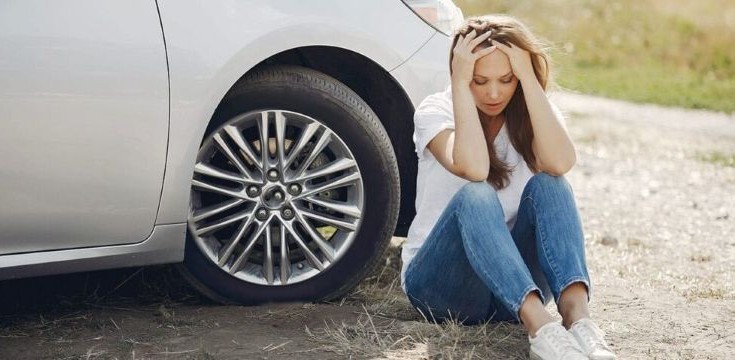
Driving anxiety is an extreme or irrational worry about operating a motor vehicle. In some cases, individuals have an intense fear of driving (vehophobia) that can be debilitating and cause serious physical and psychological symptoms. This is distinct from nervousness or jitters while driving, as the symptoms are much more severe and often triggered by specific scenarios.
Common triggers of driving anxiety include:
- Heavy traffic or stressful traffic climates
- Highways or high-speed roads
- Night driving or poor visibility
- Driving past accidents
- Having to drive an unfamiliar route
Medical professionals may diagnose a driving anxiety disorder as vehophobia, amaxophobia, motorphobia, or ochophobia, which may also extend to being a passenger in a vehicle.
What Causes Anxiety While Driving?
Extreme anxiety or fear while driving is typically connected to a traumatic experience in a car crash or a similar situation. However, people with a history of anxiety or panic attacks may also have a higher risk of developing a driving phobia.
Root causes of driving anxiety may fall into these categories:
- Trauma from a previous car accident
- Post-traumatic stress disorder (PTSD) from another incident
- Obsessively overthinking road dangers or car safety
- Other mental health conditions, such as panic disorder
Along with the underlying psychological causes of driving anxiety, there are environmental factors that can escalate feelings of fear, including driving during rush hour, loud vehicles, and aggressive drivers. Lifestyle factors, such as lack of sleep, chronic stress, or caffeine consumption, may also contribute to anxiety while driving.
How to Cope With Anxiety While Driving
While driving with anxiety or fear can significantly impact your life, there are ways of overcoming driving anxiety with the right techniques and support.
Practice Gradual Exposure
Exposure therapy is an approach that can help with anxiety and PTSD by gradually exposing you to triggers. For a car accident case, this may involve cognitive behavioral therapy (CBT) to slowly reintroduce images and sounds, eventually leading to re-engaging with things or activities you have avoided.
Breathing and Relaxation Techniques
Several breathing and relaxation techniques are incredibly beneficial for those who suffer from driving anxiety, including box breathing, grounding exercises, meditation, and practicing mindfulness before or during driving.
Visualization and Positive Affirmations
Repeating positive affirmations and visualizing yourself driving the particular route are approaches that can help you feel more relaxed, grounded, and confident before getting behind the wheel.
Maintain a Calming Driving Environment
Before driving, create a calm environment inside the vehicle that allows you to focus and relax. This may include playing soothing music, keeping the car clean and organized, avoiding caffeine or other stimulants, and removing distractions.
Seek Professional Help When Needed
While it’s crucial to seek medical attention for your physical injuries after a car accident, remember that you can be affected mentally and emotionally as well. If you’re experiencing persistent or worsening driving anxiety, work with a therapist or CBT specialist to manage your symptoms.