Today’s teenagers are growing up in a digital-first world, where friendships, learning, entertainment, and identity often unfold online. While technology offers incredible opportunities for connection and creativity, it also exposes young people to a new set of challenges that many parents never experienced while growing up.
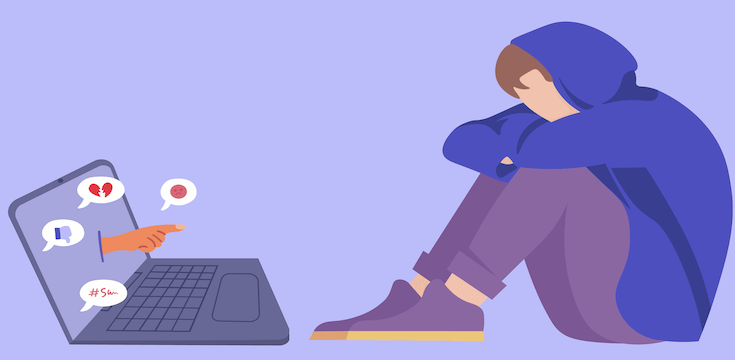
From cyberbullying and privacy breaches to online scams and the pressure of social media, teens are navigating complex digital environments every day. Platforms that allow them to share photos, messages, and opinions instantly can also make them vulnerable to harassment, reputational damage, identity theft, or the accidental sharing of personal information. In some cases, the emotional impact of online interactions, including comparison, exclusion, or negative comments, can also affect self-esteem, anxiety levels, and overall mental well-being.
For many parents, this landscape can feel overwhelming. New apps appear constantly, online trends evolve quickly, and the language and culture of digital spaces can seem unfamiliar. As a result, parents often worry about how much they should monitor, when to intervene, and how to guide their children without damaging trust.
However, protecting teens online does not require parents to be technology experts. What matters most is awareness, open communication, and practical boundaries that help young people develop healthy digital habits. When parents understand the risks their children may encounter online, they are better equipped to start meaningful conversations, set realistic guidelines, and help teens think critically about their digital choices.
This guide aims to equip parents with practical, easy-to-use strategies to help their teens navigate the digital world safely. By combining digital awareness with supportive parenting, families can create an environment where teenagers learn how to use technology responsibly while still enjoying the many benefits it offers.
Mental health and identity
Beyond privacy, online experiences impact mental health. Teens may feel pressure to conform or overshare, which can lead to anxiety, depression, or exposure to harmful communities. Encouraging open conversations and providing trusted resources can make a real difference.
Practical tips for parents
This guide offers clear, actionable advice: setting boundaries on screen time, monitoring public profiles, recognizing warning signs of cyberbullying, and teaching teens how to protect their personal information online. It’s designed for parents who want to stay informed without being intrusive.
Online threats and resources
From phishing scams to inappropriate content, online threats evolve rapidly. The guide includes step-by-step strategies and resources parents can use immediately to safeguard their teens, making safety both practical and approachable.
Ultimately, the goal is not to remove teens from the online world, which is nearly impossible, but to empower them with the judgement, resilience, and knowledge they need to stay safe, confident, and balanced in an increasingly connected world.