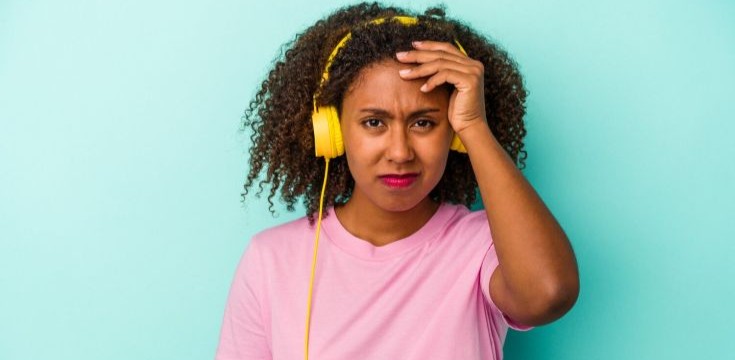
Headphones and earbuds are a common part of everyday life, used for work calls, music, exercise, and travel. While convenient, listening at high volumes for long periods can damage hearing. This type of damage, known as noise-induced hearing loss, is often permanent, but in many cases, it can be prevented.
Hearing loss is no longer an issue limited to older age. We are now seeing a growing risk among younger people because of their everyday listening habits. World Hearing Day is an important reminder that small changes, such as lowering volume and taking listening breaks, can help protect hearing and prevent long-term damage.
How Headphones Can Damage Hearing
Hearing damage happens when loud sounds injure the tiny sensory hair cells inside the inner ear. These cells help convert sound vibrations into signals the brain understands. Once damaged, they do not grow back, which is why hearing loss is often irreversible.
Many modern headphones and earbuds can produce sound levels above 85 decibels, which is the threshold at which long-term exposure may begin to damage hearing. At higher volumes, damage can occur much more rapidly, sometimes within minutes.
The risk increases when:
- Volume levels remain high for long periods.
- Listening sessions last several hours at a time.
- Headphones are used daily without breaks.
- Background noise leads people to turn the volume up.
Early Signs of Hearing Damage
Hearing loss does not usually happen suddenly. Early signs are generally subtle and easy to ignore. These may include ringing or buzzing in the ears (tinnitus), needing to increase volume over time, difficulty following conversations in noisy places, or sounds seeming dull or muffled.
Why Younger People Face a Higher Risk
Younger adults often use headphones for extended periods, whether for studying, work, gaming, or entertainment. Earbuds that sit directly in the ear canal place sound closer to the eardrum, which increases the risk if volumes are too high.
Hearing loss at a young age can affect communication, concentration, work performance, and overall quality of life in the future. Protecting hearing early is one of the simplest ways to preserve long-term hearing health.
The good news is that headphone-related hearing damage is largely preventable. A few practical changes can significantly lower the risk:
- Keep the volume below 60% and limit listening to about 60 minutes at a time.
- Take regular breaks to give your ears time to recover.
- Use noise-cancelling headphones to avoid turning the volume up in loud environments.
- If someone nearby can hear your audio, it’s likely too loud.
- Spread listening throughout the day rather than in long, continuous sessions.
Why Hearing Checks Matter
Regular hearing checks can pick up early changes before damage becomes severe. Many people seek help only after hearing loss is advanced, but early detection enables better prevention and management.
Hearing Health and Overall Well-being
Hearing loss affects more than just the ears; it has been linked to increased stress and fatigue, social withdrawal, communication difficulties, reduced work performance, and mental health concerns such as anxiety and depression. Protecting your hearing supports both physical health and emotional well-being.
A World Hearing Day Reminder
World Hearing Day highlights the importance of caring for our hearing at every age and reminds us that much hearing loss can be prevented with awareness and early action.