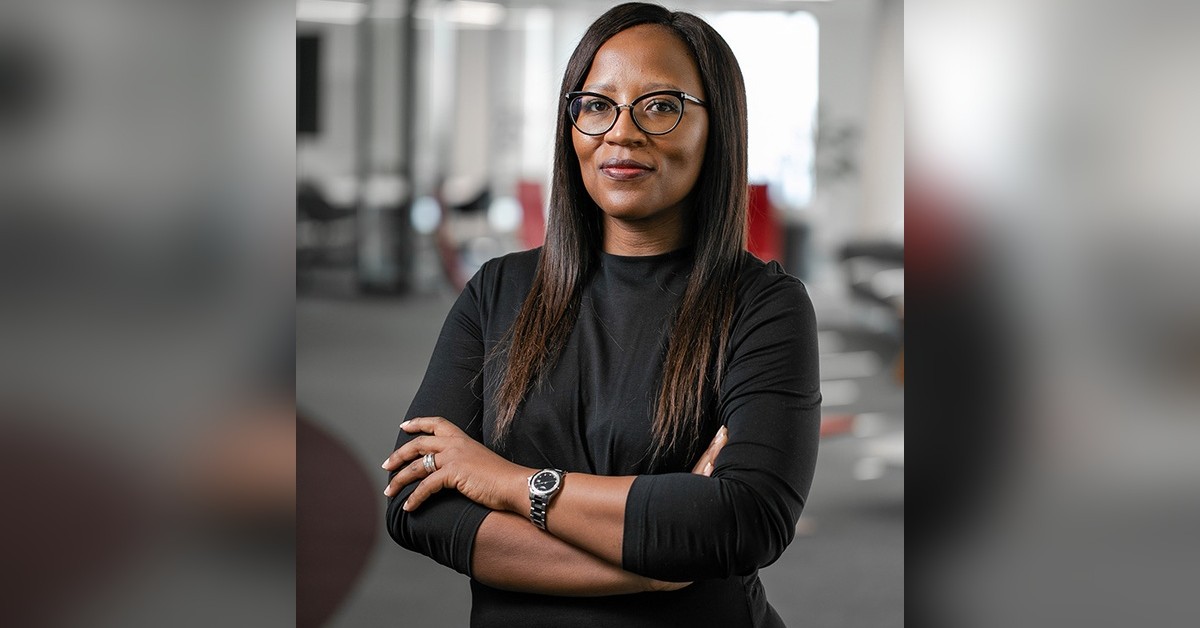
In this edition of #CareerFocus, we speak to Anastacia Tshesane, the Chief Executive Officer of PwC South Africa, as she reflects on her leadership journey, career milestones, and the evolving demands of the professional services industry. From navigating a rapidly changing business landscape to championing transformation and talent development, she shares insights into what it takes to lead at the highest level. This interview explores her perspective on growth, resilience, and the future of work in South Africa’s corporate sector.
1. You’ve spent nearly two decades at PwC. What pivotal moments shaped your leadership journey and prepared you for the CEO role?
Over the past two decades, I’ve had the privilege of serving in roles that stretched me personally and professionally, and shaped how I think about leadership. One pivotal chapter was leading the Human Capital function for our Banking and Capital Markets business. It was profoundly grounding: you work with people at their best and at their most vulnerable, and it teaches you empathy, perspective, and the importance of meeting individuals where they are.
It also strengthened my appreciation for difference, across culture, personality, and ambition, and the discipline required to lead inclusively while still holding high standards. Another defining experience was chairing our governing board. It sharpened my view of governance as a cornerstone of trust and a healthy organisational culture. It demanded a different skill set: asking better questions, challenging management constructively, and building alignment without diluting accountability. Above all, it reinforced that a shared purpose and vision are not a “once-off” achievement; they are a continuous leadership practice.
2. As someone who most recently chaired the PwC South Africa and Africa Governing Boards, how has board leadership influenced your executive perspective?
Chairing the governing boards reinforced a lesson I carry into every leadership role: collaboration is not capitulation. The board environment trains you to listen deeply, test assumptions, and focus on what will stand up over time, not what is easiest in the moment. It also strengthened my respect for the rigour behind management decision-making; often, the board sees the outcome, not the iterations that produced it. To add real value,
I had to understand the process, ensure the right issues were considered, and bring a disciplined, stakeholder-aware lens to the discussion. As CEO, I will keep that same standard: thorough, consistent decision processes; constructive challenge; and outcomes that reflect both sound judgement and the perspectives of the stakeholders we serve.
3. What leadership lessons have stayed with you throughout your career, especially during complex or high-stakes decisions?
Three lessons have consistently guided me, especially in complex or high-stakes decisions. First, be clear on what matters most. The more complex the decision, the more important it is to prioritise: what are we protecting, what are we advancing, and what trade-offs are acceptable.
Second, ensure the right voices are at the table. Diverse perspectives, across experience, discipline, and generation, reduce blind spots and improve the quality of the decision with the information available at the time. Third, own the outcome. Seeking input is essential, but once a decision is made, accountability sits with the decision-maker. That clarity builds trust and enables teams to move forward with confidence.
4. Your appointment marks a significant leadership transition. What does this milestone mean to you personally, and for women aspiring to executive leadership roles?
Personally, this transition is deeply meaningful. It is a privilege to step into a role that has been held by a woman, and to build on the legacy Shirley has created. Shirley has been generous in bringing me into the journey, while consistently encouraging me to lead in my own way, and I am grateful for that trust and partnership.
For women aspiring to executive leadership, representation matters because it expands what feels possible. When you see someone like you leading, you can imagine yourself there, and that belief is powerful. My message is simple: there is no single “right” leadership style. Women lead with strength, clarity, and conviction, and often with an inclusive, consultative approach that builds commitment and delivers results.
5. Have there been moments in your career where you had to challenge expectations or overcome barriers, and what advice would you give other women facing similar challenges?
I’ve certainly faced moments that tested me. What I’ve learned is the importance of being discerning, separating what is truly a barrier from what is discomfort or unfamiliarity, and then addressing it objectively and strategically. Early in my career, I took too much personally, without fully appreciating that people operate from different frames of reference.
Over time, I learned to stay grounded in facts, ask direct questions, and engage with intent, without getting stuck in the emotional noise that can distract from progress. My advice to women facing similar challenges is: don’t give up on what you aspire to. Build your capability, find allies and mentors, and treat obstacles as data. The growth you gain through those moments will serve you for the rest of your career.
6. How can organisations move beyond symbolic representation to create meaningful pathways for women into top leadership roles?
Organisations move beyond symbolic representation when inclusion is designed into the system and measured with the same discipline as financial performance. That means transparent, accountable talent practices, clear role expectations, fair promotion criteria, pay equity reviews, and diverse shortlists for critical roles. It also means identifying and removing friction points that disproportionately slow women down, including access to stretch opportunities, sponsorship, and visible client-facing assignments.
Finally, mentorship matters, but sponsorship is often the accelerator. I would not be here without deliberate mentorship and advocacy from both men and women. When leaders actively sponsor talent, they open doors, build confidence, and create a pipeline that is sustained, not sporadic.
7. As you step into the CEO role, what is your vision for PwC South Africa over the next five years?
Our purpose, building trust in society and solving important problems, will remain our anchor. Over the next five years, my vision is for PwC South Africa to be the most trusted partner to our clients, known for quality, integrity, and outcomes that endure.
We will do that by staying relentlessly relevant: investing in the capabilities our clients need most, embracing innovation and technology, and helping organisations navigate transformation and the digital/technological evolution with confidence. At the same time, we will strengthen our culture and develop our people, because sustained client impact is only possible when our teams are supported, challenged, and able to grow.
8. What leadership qualities do you believe are most critical for navigating today’s business environment in South Africa and across the continent?
The environment we operate in demands leaders who can hold two truths at once: the need to move with speed and the responsibility to lead with care. For me, the critical qualities are integrity and sound judgement, agility, and the courage to make difficult decisions with clarity.
In South Africa and across the continent, building trust is foundational, across diverse teams, complex stakeholder landscapes, and rapidly changing markets. Leaders must be inclusive and collaborative, while also being decisive and accountable. Finally, leaders must embrace innovation. Africa is a youthful, energetic continent, and tapping into that vitality, alongside technology and new ways of working, creates an opportunity to reimagine what is possible for our clients and our people.
9. How do you balance driving commercial performance while also fostering an inclusive and purpose-driven culture?
I don’t see commercial performance and a purpose-led, inclusive culture as competing priorities; they are mutually reinforcing. Trust is the ultimate differentiator in our profession, and trust is built through how we lead, how we treat people, and the quality of what we deliver. We are clear on our values, and when we live them consistently, we create an environment where people can do their best work.
That, in turn, strengthens client relationships and drives sustainable performance. Practically, it means setting ambitious expectations, measuring what matters, and holding ourselves accountable, while listening, creating opportunities, and ensuring every person feels seen, included, and able to contribute.
10. Who have been your key mentors or sponsors throughout your journey, and how important is mentorship in accelerating women’s careers?
I’ve benefited from different mentors at different stages, because what you need evolves as your responsibilities grow. Two mentors, in particular, have been consistent anchors. They hold me accountable to my goals, challenge my thinking, and keep me honest about the choices I’m making, professionally and personally.
For me, mentorship provides perspective and helps you stay aligned to your purpose, your “north star”, especially in a demanding environment where it’s easy to drift into what is urgent rather than what is important. And sponsorship is equally critical. Several leaders have advocated for me, created opportunities, and backed me when it mattered. That combination, mentorship and sponsorship, can materially accelerate women’s careers.
11. What habits, mindset shifts, or personal disciplines have helped you sustain performance and resilience over nearly 20 years in a demanding profession?
I focus on a few disciplines that compound over time: consistency, accountability, and a growth mindset. I’ve learned to start small, build momentum, and prioritise steady improvement over perfection, because expectations shift, and resilience comes from staying adaptable.
Our profession is built on trust, so diligence matters, doing the basics exceptionally well, every day, even when no one is watching. I also believe in continuously reinventing myself. Growth often sits on the edge of discomfort, where change meets uncertainty. When you raise your hand for new experiences and broader responsibility, you stretch your capability and expand the ways you can create value. Staying too comfortable can limit both learning and impact, so I try to keep myself in roles and challenges that require me to evolve.
12. If you could speak directly to young women entering the workforce today, what one piece of advice would you want them to remember throughout their careers?
Lean into the unfamiliar, because that’s where your growth will come from. Put your hand up, ask for the stretch assignment, and don’t wait until you feel “ready” to take your seat at the table. Back yourself with preparation and courage, and build a network of mentors, sponsors, and peers who will both challenge and support you. And as you progress, lift others as you rise, because your impact is measured not only by what you achieve, but by the doors you help open for others.