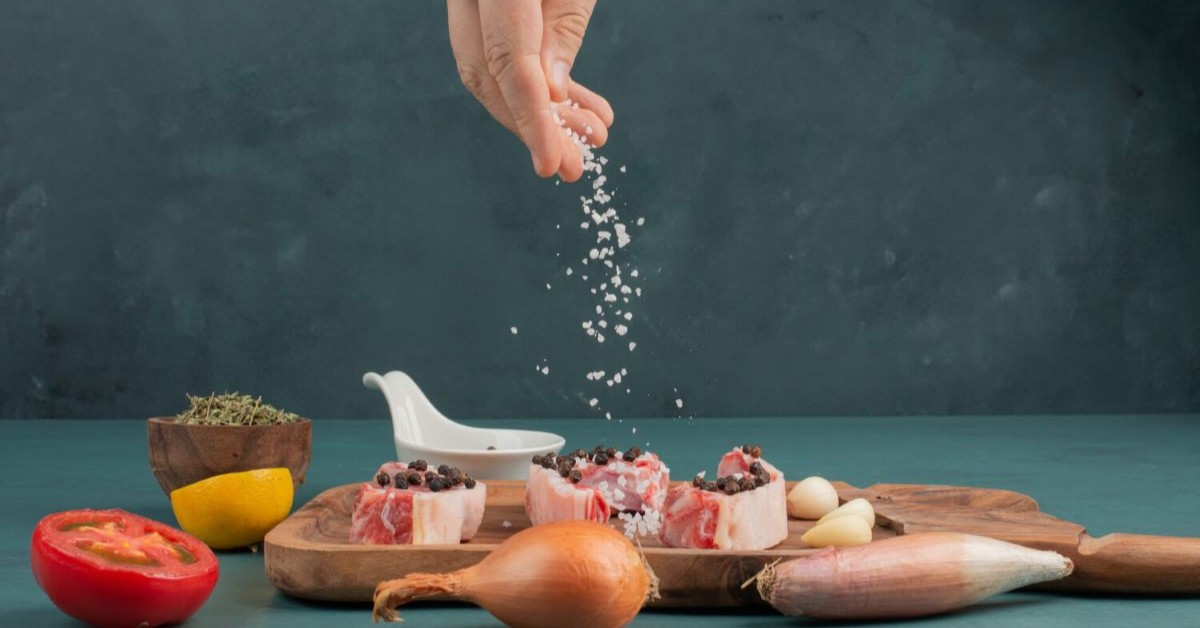
We generally think of salt as coming only from what we add during cooking or at the table, but a large portion of our daily intake actually comes from processed and packaged foods. Salt, or sodium chloride, plays an important role in the body, helping regulate fluid balance, transmit nerve signals, and support muscle function. However, regularly consuming too much can take a toll on your health. Many people exceed the recommended daily limit without realising it, simply because hidden salt is found in so many everyday foods.
Too much salt has been linked to high blood pressure, which can increase the risk of heart disease, stroke, and kidney problems over time. Cutting back on salt is one of the simplest ways to support heart health and reduce these risks.
Where Hidden Salt Is Commonly Found
Salt is widely used in food production because it enhances flavour and acts as a preservative. As a result, many everyday foods contain significant amounts of sodium, even when they do not taste particularly salty.
- Bread and baked goods – Bread is a staple food in many households, yet it can be a surprising source of salt. Because bread is eaten frequently throughout the day, the sodium content can quickly add up.
- Processed meats – Items such as sausages, polony, bacon, and deli meats are often high in salt because it helps preserve the product and enhances taste.
- Breakfast cereals – While some cereals appear to be healthy options, certain varieties contain added sodium. When combined with other meals throughout the day, the salt content may significantly contribute to daily intake.
- Ready-made meals and instant foods – Instant noodles, frozen meals, and packaged pasta sauces often contain high levels of salt to boost flavour and extend shelf life.
- Sauces and condiments – Tomato sauce, soy sauce, salad dressings, and chutneys can contain large amounts of sodium. Even small servings may add a substantial amount of salt to a meal.
- Snack foods – Chips, crackers, and savoury snacks are widely recognised as salty, but people often underestimate how quickly sodium levels increase when these foods are eaten regularly.
Why Too Much Salt Is a Problem
Consuming high levels of salt over time can strain the body, particularly the heart and blood vessels. When excess sodium is present in the bloodstream, the body retains more water to balance the sodium concentration. This increases the volume of blood circulating through the body and raises blood pressure.
High blood pressure, also known as hypertension, is often referred to as a “silent condition” because it may not exhibit noticeable symptoms for many years. However, it significantly increases the risk of heart attacks, strokes, kidney disease, and other serious health problems. Reducing salt intake is one of the simplest lifestyle changes that can help prevent hypertension and support long-term health.
Simple Ways to Cut Back on Salt
Lowering your salt intake doesn’t mean overhauling your entire diet. A few practical changes can make a noticeable difference over time.
- Check labels before you buy – Take a quick look at the sodium content on packaged foods. It’s one of the easiest ways to spot hidden salt and compare options on the shelf.
- Make more meals at home – Cooking from scratch gives you full control over what goes into your food, including how much salt you use.
- Flavour food differently – You don’t need to rely on salt for taste. Ingredients such as garlic, lemon juice, herbs, and spices can bring out flavour just as well.
- Cut back on convenience foods – Ready-made meals, processed meats, and packaged snacks are often loaded with salt. Eating these less often can quickly reduce your intake.
- Go for fresh where you can – Fresh produce, whole grains, and lean proteins are naturally lower in sodium and a better everyday choice.
Helping Kids Build Healthier Habits
It’s just as important for children to learn about salt early on. Good eating habits formed at a young age can carry through into adulthood and lower the risk of future health problems. Simple steps like offering balanced meals, limiting salty snacks, and discussing food choices can go a long way. Getting kids involved in cooking is also a great way to teach them what goes into their meals and why healthier options matter.
A Healthier Approach to Everyday Eating
World Salt Awareness Week serves as an important reminder that small dietary changes can have a big impact on health. By becoming more aware of hidden salt in everyday foods and making smarter choices, individuals and families can protect their heart health and overall well-being.