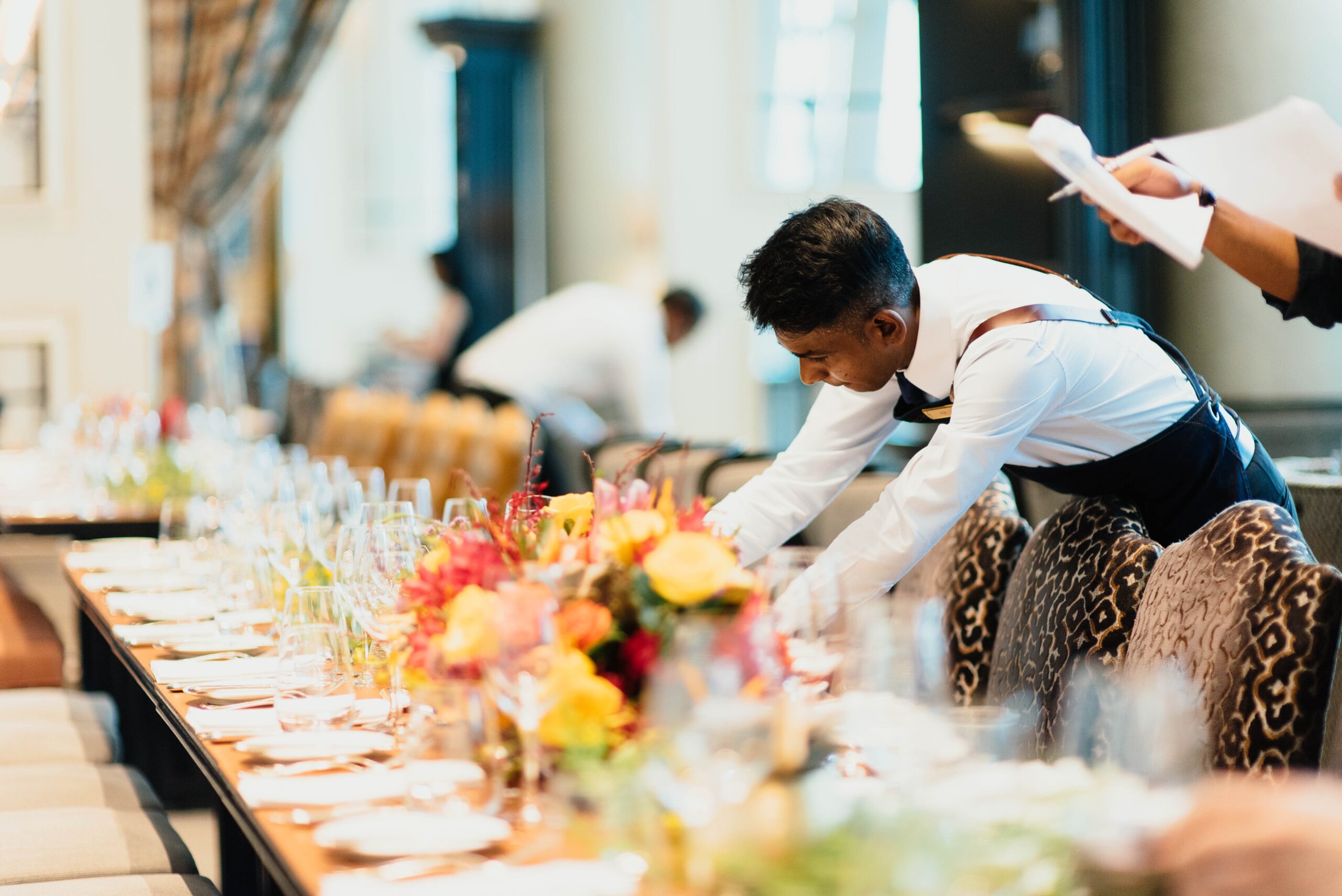
There is no doubt that the hospitality industry is growing! Projections from Statista show that the industry will see an average annual growth rate of 8.68% over the next five years, and hotel market revenue in Africa is estimated to reach $13.80 billion by 2027, making this sector one that is rife with career opportunities and growth. So if you’re looking for a career where no two days are the same and interacting with guests travelling from far-reaching parts of the world elicits feelings of joy then this is the industry for you.
Whether you are entering the sector as a receptionist, waiter, chef or housekeeper Harpreet Singh Chhatwal, Vice President People & Culture MEA, South and Southeast Asia Pacific at Radisson Hotel Group shares four skills that will help you grow in a hospitality career.
Collaborate
“Nowadays it’s the norm to have a diverse company culture, with colleagues ranging in different backgrounds, so being able to work collaboratively with people across ages, cultures, and other aspects of life is a key skill,” says Chhatwal. A study conducted by Stanford uncovered that even just the perception of colleagues working collaboratively on work tasks can boast benefits for company performance. Furthermore, this study found that by undertaking work collaboratively, people committed to tasks 64% longer than conducting tasks alone, with increased engagement amongst team members as well as lessened group fatigue.
“If someone is starting out in their hospitality career I would highly recommend that they utilise as many opportunities as they can to work with their colleagues. It’s in a collaborative working environment that they can gain insight from varying perspectives. No employee is 100% alike so every team member has their own knowledge and expertise to impart on one another,” Chhatwal explains.
Communicate
Having great communication skills is arguably one of the most important skills that anyone can master, both in the workplace and in our personal lives. Being able to clearly convey your message simply and effectively will aid you in developing rich and productive relationships with your colleagues and managers, as well as the guests you’re servicing. Workplace consulting and research company Gallup’s State of the Global Workplace: 2023 Report highlighted that within 31 million employees interviewed, only 13% of senior leaders mentioned that they were proficient in effective workplace communication. Therefore, if you can master effective communication skills you will differentiate yourself from your peers and help a business achieve its goals, advises Chhatwal.
Reflect and Introspect
Unfortunately no one, in any industry, gets it right all of the time, but Chhatwal says that having a positive attitude and the ability to harness one’s self-awareness is a key skill to develop. This can be done through introspection, which is the examination of and attention to your own ideas, thoughts, and feelings.
I believe that if you can take time to look inward and analyse your own values, opinions, identity, and motivations, you will not only do better in the workplace but also approach your work with a renewed sense of confidence and security,” explains Chhatwal.
One practical way in which you can exercise this skill is through journaling. When you have moments of feeling overwhelmed or need a healthy outlet to express your true feelings writing in a journal is a wonderful way to be introspective.In fact the literal act of writing things down on paper stimulates the base of our brains, which is a system of cells known as the Reticular Activating System (RAS). Bestselling author of Write It Down, Make It Happen, Henriette Anne Klauser, PhD, says that “writing triggers the RAS, which in turn sends a signal to the cerebral cortex: ‘Wake up! Pay attention! Don’t miss this detail!” So, putting pen to paper will empower you to understand your thoughts.
Take initiative
“Proactive individuals are highly valued in the hospitality industry, and showcasing the ability to take initiative and volunteer to do things outside of your regular tasks will most certainly have you standing out from the crowd,” Chhatwal shares. “The Radisson Hotel Group employs over 6,000 people across Africa and in our experience we have found that often it’s the employees who know when to take initiative that are the ones who pioneer positive changes within the business.
It may seem intimidating to put your hand up and seek out more tasks, but taking initiative doesn’t have to mean performing massive time-consuming tasks, it can be as small as helping a co-worker assist a customer that wasn’t initially yours or offer a customer personalised recommendations based on your knowledge of the business’ location.”
The Harvard Business Review analysed 95 studies that evaluated when employee initiative results in positive or negative outputs, and found three ways that employees can show initiative in an advantageous manner. According to their findings employees should manage themselves effectively by taking on just the right amount of work, contemplate how their actions can impact others – as not every change or task can be a good thing – and lastly ensure that action plans merge with your company’s larger goals. These three ingredients for success correlate with psychologist Robert Sternberg’s balance theory of wisdom, which says that wisdom is achieved through harmonising one’s interests to align with a common good.
“A career in hospitality is one where you have the opportunity to work closely with incredible people, and it’s a career with various job opportunities to explore. If you can try effectuate building these four skills – collaboration, communication, introspection and initiative – you will thrive,” Chhatwal concludes.