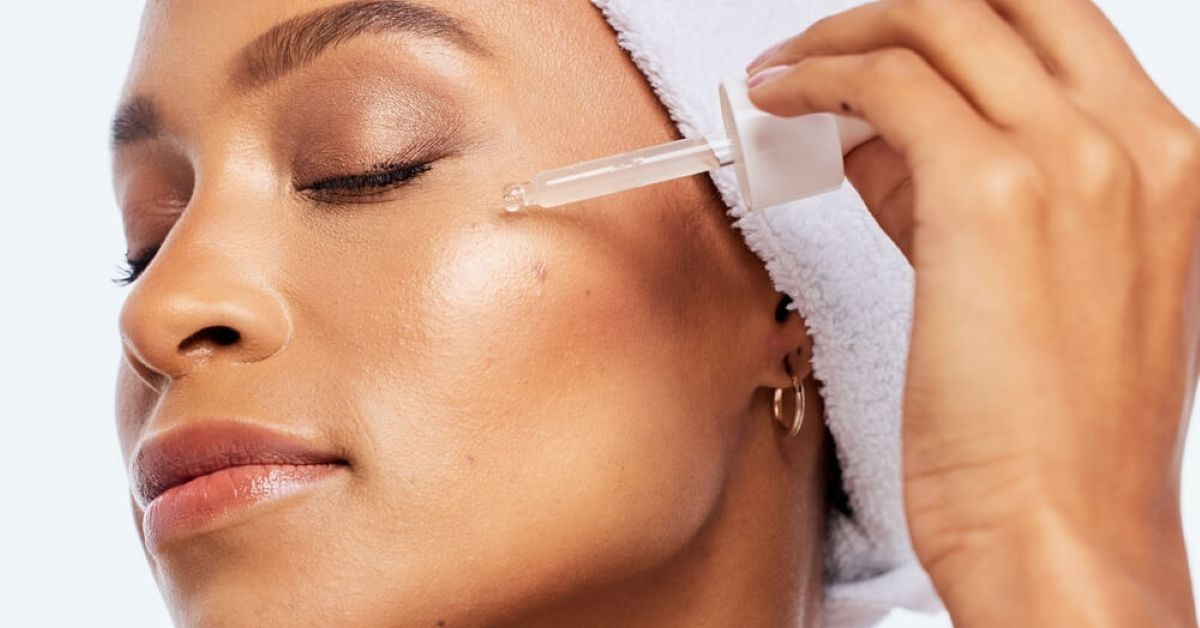
A typical moisturiser might contain 0.5% niacinamide as a nice-to-have. A dedicated 6% Niacinamide Serum gives you twelve times that concentration, at the dose clinical studies actually use to fade post-acne marks and balance oil. That’s the gap between a product that smells nice and a product that changes your skin.
A good face serum is also formulated to be absorbed quickly, which means the active doesn’t get diluted by the heavier emollients and silicones in a cream. You apply it on slightly damp skin, give it a minute to settle, then layer your moisturiser on top. If you can only afford one “active” product in your routine right now, make it a serum, not a fancy moisturiser. The cost-per-result ratio is much better.
How to Pick the Right Serum for Your Skin Concern
The biggest mistake we see is people buying a serum because a creator on TikTok raved about it, without checking whether it actually matches their skin concern. A retinol won’t fix dehydration, and a hyaluronic acid won’t clear breakouts; match the active to the problem.
Serums for Acne, Oily Skin and Congestion
If you’re dealing with active breakouts, blackheads, or skin that gets shiny by 11 am, you want ingredients that regulate oil and gently exfoliate inside the pore. Salicylic acid (BHA) is the gold standard, and Niacinamide at 4–10% helps balance sebum and calm inflammation at the same time.
Serums for Dark Marks and Uneven Tone
Post-inflammatory hyperpigmentation, those stubborn brown or red marks left behind after a pimple heals, is one of the most common concerns we hear from South African shoppers, especially on melanin-rich skin. The actives that work: alpha arbutin, licorice extract, vitamin C, and tranexamic acid. A 2% Alpha Arbutin + 2% Licorice Extract Serum is gentle enough to use morning and night, and a 15% Vitamin C Serum used in the morning builds on that brightening effect while protecting against UV damage.
Serums for Dryness, Dullness and Early Ageing
If your skin feels tight after cleansing, looks flat under makeup, or you’re starting to notice fine lines around the eyes, you need hydration plus a long-game active. A 2% Hyaluronic Acid Serum plumps the skin almost instantly, while a 0,3% Retinol Serum used at night, two to three times a week, supports cell turnover over months.
The Best Serum for Glowing Skin:
When most people search for the best serum for glowing skin, what they really want is that lit-from-within look, not just temporary highlighter sheen. That kind of glow comes from three things working together: hydration, an even tone, and a healthy skin barrier.
The ingredients that consistently deliver:
- Vitamin C (ascorbic acid, 10–20%), brightens, evens tone, defends against pollution
- Niacinamide (4–10%), reduces redness, refines texture, balances oil
- Hyaluronic acid (1–2%), plumps the skin so light reflects more evenly
- Squalane restores barrier lipids without clogging pores
- Alpha arbutin, slowly fades melanin clusters that dull the complexion
A proper glowing serum doesn’t have to be a single product, but you can pair a 15% Vitamin C Serum in the morning with a 95% Squalane Oil Serum at night, and that combination alone can transform dull skin within six to eight weeks. Glow isn’t a product; it’s a barrier state, and skin that’s properly hydrated and not inflamed reflects light better.
How to Use a Serum Without Irritation: Layering, Frequency and Timing
This is where most people go wrong. They buy three serums at once, layer them all on the same night, and end up with a stinging, peeling face by day four, and then they blame the products.
Here’s the order of operations we recommend:
- Cleanse with a gentle low-pH cleanser
- Tone (optional, but helpful for hydration)
- Apply your serum for the face on slightly damp skin; three to four drops is plenty
- Wait 30–60 seconds for it to absorb
- Moisturise to seal everything in
- SPF in the morning, non-negotiable, especially with vitamin C or retinol in the mix
Frequency rules of thumb:
- Hyaluronic acid, niacinamide, squalane: morning and night, every day
- Vitamin C: once daily, mornings work best
- Retinol: start two nights a week, build up to four or five over six weeks
- Alpha arbutin: morning and night, every day
Introduce one new active at a time and give it at least two weeks before adding another. If your skin stings beyond a mild tingle, you’re either layering too much or your barrier needs repair first.
What a Good Serum Should Cost in South Africa and Why Percentages Matter
A 15% vitamin C serum in a glass dropper bottle from a luxury brand uses largely the same active ingredient as a 15% vitamin C serum from a transparent local brand. A fair price for an effective single-active serum in South Africa, in 2026, sits between R129 and R250. Above that, you’re often paying for packaging, brand storytelling, or an imported supply chain. Below R100, you should check the percentages; sometimes the active is so diluted it won’t do much.
Building a Simple Routine Around Your Serum
You don’t need a 10-step routine to see results. Honestly, you probably need four steps done consistently for eight weeks. Here’s a starter framework, picking the best face serum for your main concern:
Morning:
- Gentle cleanser
- 15% Vitamin C Serum (for brightness and protection)
- Light moisturiser
- SPF 30 or higher
Evening:
- Cleanser (double-cleanse if you wore SPF or makeup)
- Concern-led serum, niacinamide for oil, alpha arbutin for marks, retinol for ageing, hyaluronic acid for dehydration
- Moisturiser
- A few drops of 95% Squalane Oil Serum if your skin feels dry
Consistency outperforms collection size, every single time. Pick the serum that matches your top concern, give it eight to twelve weeks, and let the percentages do the work. That’s how glowing skin actually happens, not from a single miracle bottle, but from showing up for your skin most days. Browse our full serum range when you’re ready.