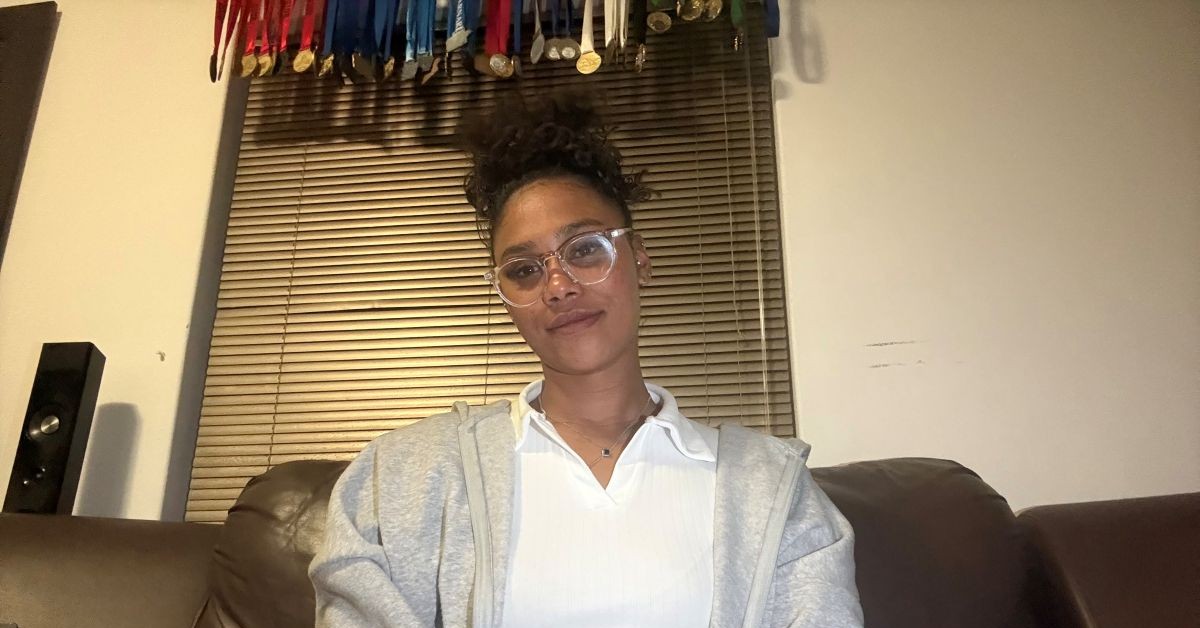
Growing up in Capricorn Beach and Marina da Gama, Hannah Paulse’s journey began in the pool long before it became a pathway to a professional career. What started as a passion for swimming evolved into a deeper understanding of sport, performance, and human movement when she joined eta College Cape Town, where theory met hands-on application, and the idea of a career in fitness and coaching first took shape.
In this Q&A, Paulse reflects on how practical, skills-based education helped her transition from competitive swimmer to qualified fitness professional working in Dubai. She shares insights on the value of real-world experience, mentorship, and consistency, and how combining athletic discipline with applied learning has opened doors far beyond the pool, proving that practical education can build truly global careers.
1. Growing up in Capricorn Beach and Marina da Gama, when did you first realise that your passion for swimming could lead to a career opportunity beyond sport itself?
It clicked properly at eta Cape Town. Before that, swimming was just my sport, something I loved and competed in. But at eta I started seeing the science behind what I’d done for years: how training, recovery, and technique actually work. That’s when I realised I could take my experience and turn it into a career helping other people. The link between being an athlete and becoming a coach/trainer became obvious there. Before eta Cape Town, I hadn’t connected the dots.
2. You chose to study at eta College, Cape Town, after matric instead of following a more traditional university route. What influenced that decision?
I’ve never been strong academically. Sitting in a lecture hall writing essays just isn’t me. I’m hands-on, sporty, and practical. After school, I needed something that fit who I am. eta Cape Town was built for athletes. It felt like the college actually understood people like me. Doing a Diploma in Sports and Exercise Science meant I could study fitness, training, and performance instead of forcing myself through a traditional degree I’d hate.
3. How did the practical, hands-on approach at eta College Cape Town prepare you for the realities of working in the fitness and wellness industry?
eta Cape Town throws you straight into it. You’re not just learning theory, you’re coaching, programming, and working with real people from day one. By the time I hit Zone Fitness, Virgin Active, and Golden Grove, nothing felt foreign. I already knew how to cue movements, adjust for different clients, and manage sessions. eta Cape Town basically gave me a head start. The theory made sense because I was applying it immediately.
4. Can you share specific skills or lessons from your Diploma in Sports and Exercise Science that you now apply daily in your roles as a personal trainer and lifeguard in Dubai?
Loads. The big ones: Program design: How to structure training for progression, not just random workouts. That discipline comes straight from my swimming blocks. Exercise science basics: Understanding energy systems, recovery, and injury prevention. I use it to keep clients safe and improve.
Communication/coaching cues: eta Cape Town taught me how to actually teach movement, not just do it myself. Same skill I used at Wynberg Boys’ Junior and use now with clients. Professionalism: Showing up on time, planning sessions, adapting on the fly. That’s eta Cape Town + competitive swimming combined. Plus my extra certs in boxing, first aid, and speed & agility all stack on top of the diploma. In Dubai, I’m using all of it daily, PT sessions that need science, lifeguarding needs first aid, and discipline.
5. Many young South Africans are under pressure to pursue conventional academic careers. What would you say to students considering a more practical, skills-based qualification?
Don’t think you have to choose between sport and education. If you’re not academic, forcing a traditional degree can waste years. Find an institution like eta Cape Town that gets athletes. Use your sport to open doors, but get the qualification so you have options. I’m proof you can come from Muizenberg, not be “academic”, and still build an international career in sport if you work hard and stay consistent.
6. Practical qualifications are respected, especially overseas, if you can actually do the job. How important was the combination of theoretical knowledge and real-world experience in helping you transition from competitive athlete to working professional?
Critical. Being a good swimmer didn’t automatically make me a good coach. eta Cape Town gave me the theory behind training and then forced me to apply it at places like Virgin Active and the schools I coached at. That combo is what gave me credibility. Clients and employers don’t just want an ex-athlete; they want someone who understands programming, safety, and progression. That’s what the diploma + work experience gave me.
7. Your journey shows how education can open international doors. Did you always see your qualification as something that could create global opportunities?
Honestly, not at first. I just wanted a qualification that fit me. But once I started working and saw how eta Cape Town was recognised, I realised it had weight. Having a “Diploma in Sports and Exercise Science” plus coaching hours at Virgin Active and schools made my CV stand out. That’s what got me the Dubai role. So no, I didn’t plan on going global from day one, but the qualification made it possible.
8. How did your experience at gyms like Zone Fitness and Virgin Active help build the confidence and experience needed to work abroad?
Those gyms were my testing ground. I went from coaching kids at pools to training adults with different goals, injuries, and personalities. You learn fast when it’s real clients paying real money. Dealing with members, managing sessions, and solving problems on the spot, that’s what built my confidence. By the time Dubai came up, I’d already worked in commercial gyms, schools, and with an NGO. I knew I could handle it.
9. In what ways did competitive swimming prepare you for the discipline and professionalism required in your current career?
Swimming taught me everything about the process. Losing at Level 2, getting bronze, then coming back for Level 3 golds, that’s all about showing up, adjusting, and improving. Same with Oudtshoorn: losing hard the first time, but trusting the process. In Dubai, my days are long and busy. That discipline, attention to detail, and belief that “small improvements add up” come straight from the pool. Swimming also taught me how to be coached, so now I know how to coach others.
10. Mentorship played a major role in your journey. How did mentors such as Mrs Miles and Rhys Hugo influence both your sporting and career development?
Mrs Miles saw something before I did. She benched me from other sports during swim season because she knew where my potential was. That belief mattered; she took me seriously before I took myself seriously. Rhys Hugo at Vineyard was the one who pushed me through the tough training blocks. He taught me to keep going when it got hard.
Both of them modeled what good coaching looks like, and I carry that into my own work now. I try to be the coach who sees potential and keeps people going. You often speak about the idea that “consistency beats intensity.” How has that mindset shaped your career growth and personal development? It’s my whole philosophy.
In swimming, you don’t win by smashing one crazy session; you win by showing up for months. Same in the gym and in a career. I’d rather my clients move well and show up 4x/week than kill themselves once and disappear. For me personally, that mindset got me from no medals at Level 2 to golds at Level 3. And it got me from Capricorn Beach to Dubai. Small, consistent steps compound.
11. Looking back on your journey from Cape Town to Dubai, what does your story say about the value of practical education in shaping sustainable, real-world careers?
My story says you don’t have to be “academic” to build a real career. Practical education gave me skills I could use immediately and a qualification I could take anywhere. eta Cape Town turned me from just an athlete into a professional. It gave me the science, the credibility, and the confidence to work locally and internationally. For kids who are sporty and hands-on, that kind of education isn’t a backup plan; it is the plan. It’s sustainable because it’s based on what you can actually do, not just what you can write in an exam.
To connect with Hannah, follow her on Instagram @hannah_paulse_, where she shares insights into her fitness journey and life in Dubai.