1. What first inspired your curiosity and ultimately led you to pursue a career in journalism?
As a child, I observed how news stories brought people together. I remember how my late grandmother used to become extremely anxious after listening to the radio news, particularly if it contained depressing information. I became so intrigued that I wanted to be the one presenting the news one day.
I would ask my brothers and relatives questions, listen to the news on the radio, and begin composing my own stories based on what I had observed. I would say that disseminating information to the general public motivated me to seek a career in journalism, simply because it offers a way to bridge the gap between lived experience and public understanding.
2. How has your upbringing in Ncome Springs and Mount Frere shaped the journalist you are today?
Living in underdeveloped communities exposed me early to the real impact of issues like poor service delivery and limited access to information. Many important stories were shared only within the community and were rarely reflected accurately in mainstream reporting. This experience taught me to value careful listening, accuracy, and giving voice to those overlooked. It continues to inform my commitment to empathetic, accountable journalism rooted in lived experience.
3. What does reporting in isiXhosa mean to you on a personal and professional level?
Reporting in isiXhosa allows me to build trust and tell stories in ways that feel authentic rather than translated. It is the language in which I understand the world and connect most naturally with my community.
Professionally, it expands access to information for audiences who are often excluded from mainstream media and ensures that important issues are communicated clearly and respectfully. For me, reporting in isiXhosa is not just about language, but about dignity, representation, and meaningful journalism.
4. Why was joining Iindaba Zethu on DStv channel 163 a natural fit for your values and career goals?
The programme prioritises community-centred storytelling and reporting in Nguni languages; it’s about putting the viewers at the centre of news. Its focus on giving voice to underrepresented communities aligns closely with my own background and commitment to inclusive journalism. Professionally, it allows me to grow within a platform that values accuracy, cultural context, and language as a tool for empowerment. I see Iindaba Zethu not just as a bulletin, but as a space where journalism serves the people it speaks to, which reflects the kind of journalist I aspire to be.
5. How do you stay grounded and connected to the communities you report on?
Maintaining consistency, respectful engagement beyond the story itself keeps me grounded and very connected to the communities I report on. I listen first, spend time understanding local context, and remain accessible even after a report is published. I draw on my own background in rural communities to approach people with humility and empathy, recognising that trust is built over time. Staying connected means treating communities not as subjects of stories, but as partners whose experiences continue to inform my work.
6. In a fast-paced digital world, what keeps you committed to accuracy and ethical reporting?
My commitment to accuracy and ethical reporting is grounded in the understanding that information has real consequences, especially for the communities I report on. Speed should never come at the expense of truth. I rely on careful verification, multiple sources, and clear context, knowing that trust is hard to build and easy to lose. Ethical reporting, for me, is about responsibility to the audience, to the subjects of the story, and to the profession itself.
7. Can you share a moment in your career that reaffirmed your belief in the power of journalism?
A moment that reaffirmed my belief in the power of journalism was when a story I reported prompted meaningful attention to an issue a community had been raising for years. After the report aired, local authorities engaged with residents, and the community felt seen and heard in a way they had not before. Seeing how accurate, respectful reporting could turn lived experiences into public accountability reminded me that journalism, at its best, can create visibility, dialogue, and change.
8. What skills have been most important in helping you balance multiple stories and deadlines?
The skills that have been most important in balancing multiple stories and deadlines are organisation, prioritisation, and adaptability. Planning my workflow, setting clear milestones, and knowing which tasks require immediate attention help me manage competing demands. Strong research and time-management skills ensure I maintain accuracy even under pressure, while adaptability allows me to respond quickly to breaking news without compromising the quality of my reporting.
9. How do you adapt your storytelling approach when engaging with different communities?
When engaging different communities, the same story can be adapted by considering their context, values, and communication style. I just work on tailoring a format, tone, characters, and key messages to ensure that the story becomes meaningful and actionable for each audience.
10. What do you think young aspiring journalists should prioritise as they enter a world filled with misinformation?
Young journalists should prioritise truth over speed, verify every source, question everything, and tell stories ethically – in a world of misinformation, integrity is their strongest tool.
11. How do you see the future of isiXhosa news evolving in a rapidly digitalising media landscape?
IsiXhosa news is poised to thrive in the digital era by moving beyond radio and print to online platforms, social media, and mobile apps, reaching wider and younger audiences. Multimedia storytelling through videos, podcasts, and interactive content will make news more engaging, while community-driven reporting will amplify local voices and preserve cultural and linguistic heritage. Despite challenges like misinformation and digital literacy gaps, the shift offers opportunities for richer, more authentic, and accessible isiXhosa journalism.
12. What personal passions outside journalism continue to inspire your storytelling?
Activities like traveling, reading, and engaging with communities fuel my storytelling by giving me fresh perspectives and real-life experiences that make stories more relatable and vivid.
Short bio
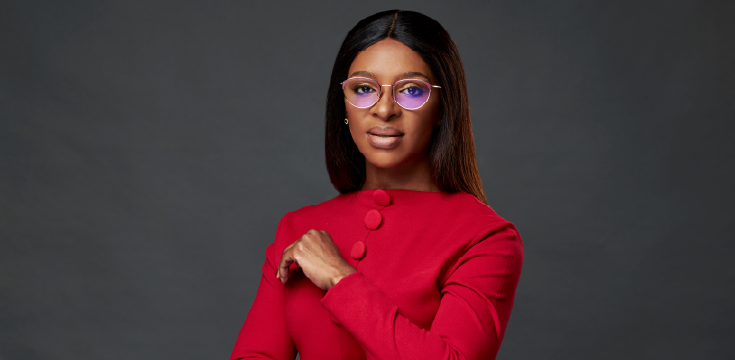
Zukiswa Cetywayo is a journalist who believes in the power of connection. From uncovering hidden issues to amplifying voices often unheard, she approaches each story with curiosity, compassion, and an unwavering commitment to truth. Her work serves as a reminder of the vital role reporters play in bringing us the stories that shape our understanding of the world.
Cetywayo’s work serves as a reminder that behind every headline is a reporter dedicated not only to illuminating lives and communities but also to upholding the integrity of the news in a language and context that resonates with isiXhosa-speaking audiences, in a world increasingly cluttered with misinformation.
When not out in the field, she enjoys reading, exploring nature, and capturing moments by writing, all driven by her curiosity to learn and discover new things.