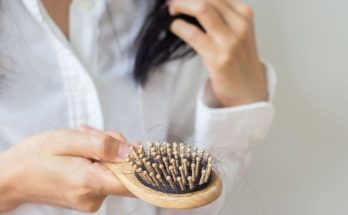
As the end of the year approaches, the pace tends to pick up. Deadlines accumulate, social calendars fill up, and the pressure to get everything done before the holidays can leave sleep and routine on the back burner. The physical effects may not be obvious at the time. Sometimes, the evidence only appears months later, in the shower drain, on your hairbrush, or on your pillow.
This delay is characteristic of telogen effluvium, a condition in which more hair follicles than usual enter the resting phase of the growth cycle. The resulting hair fall typically becomes noticeable two to three months after a trigger, such as illness, significant stress, surgery, or rapid weight loss. For Dr Kashmal Kalan, Medical Director at Alvi Armani South Africa, sleep deserves attention alongside established triggers, rather than being treated as an isolated factor.
When a patient presents with sudden or excessive shedding, I ask about stress, illness, weight change, medication, diet, changes in routine and sleep, both currently and in the months preceding their consultation. Poor sleep is not a standalone diagnosis, but it may be a marker of physiological stress and a relevant factor in some cases of telogen effluvium.
What the research shows
In January 2026, Dermatology and Therapy published The Intersection of Sleep and Hair Loss: A Systematic Review, examining 29 studies on sleep disturbances and hair-loss conditions.
The review found associations between sleep disturbance and several forms of hair loss, including alopecia areata, pattern hair loss, and telogen effluvium. However, most studies were observational; the overall evidence was low to moderate in quality, and none tested whether improving sleep directly improves hair outcomes.
“For me, the most interesting point is not that sleep has suddenly been proven to cause hair loss. It has not. It is that several different hair disorders appear to intersect with sleep through different biological pathways. That suggests the follicle may be more responsive to the body’s overall physiological state than we previously appreciated.”
One area of interest is the hair follicle’s circadian biology. Follicles are mini organs that express clock genes involved in regulating cellular activity, and laboratory research suggests that disrupting these mechanisms can affect follicle function. How changes in human sleep patterns influence hair growth over time remains unclear. Nor is sleep simply a matter of reaching eight hours a night. Sleep quality, interruptions, and regularity may all be relevant, but researchers cannot yet determine which factors matter most.
Not all hair loss is the same
Sleep is only one consideration in an assessment, and its relevance depends on the condition. Pattern hair loss is strongly influenced by genetics and hormonal sensitivity; alopecia areata involves an immune response; and traction alopecia can result from repeated tension on the hair. Thyroid conditions, nutritional deficiencies, and certain medications can also contribute to hair changes.
Losing around 50 to 100 hairs a day is often considered normal, although washing frequency, hair length and styling affect how much you see. Rather than counting individual strands, look for a clear change from your usual pattern: a persistent or marked increase in hair fall, visible loss of density or a noticeably thinner ponytail.
Bald patches, progressive thinning or recession, and scalp symptoms such as pain, burning, redness, scaling or pustules warrant medical assessment. These should not be attributed to poor sleep without investigating other possible causes.
The misconception I would correct is that a week of poor sleep will suddenly make your hair fall out. That is not how the hair cycle works. Persistent poor sleep may be relevant in some people who are more susceptible to certain forms of hair loss, but it is not the whole explanation. The next step is to establish whether improving sleep can measurably improve hair growth or reduce hair fall.
“I would like to see good prospective studies that objectively measure sleep and then follow hair density, shedding and follicle activity,” concludes Dr Kalan. “Even more valuable would be interventional research showing whether treating a genuine sleep disorder produces a measurable improvement in hair outcomes.”
For now, sleep is worth considering as part of a hair-health assessment, not as a substitute for finding the cause. If you notice significantly more hair falling out in the new year, consider what may have changed in the preceding months, and seek professional advice rather than assuming stress or the season is to blame if the pattern continues.