Success is not always about having all the answers. Sometimes, it is about having the courage to step forward when an opportunity presents itself, even when the path ahead is uncertain. For Michelle Jennings, this mindset has shaped a journey defined by growth, resilience and a willingness to embrace new possibilities.
As a woman navigating the world of business and leadership, Michelle’s story reflects the importance of recognising your own potential, taking calculated risks and being prepared to say yes to opportunities that can change the trajectory of your career. Her experiences offer valuable lessons for women who are looking to build confidence, make an impact and create their own definition of success.
1. Tell us about your career journey and what led you to your current leadership role.
My career has not followed a linear path. It has been shaped by curiosity, a willingness to get involved, and a belief that growth happens when you step outside your comfort zone. I started as an Assistant Accountant in a start-up shoe retail business in Pietermaritzburg and spent my early career exploring different industries and disciplines.
Financial services ultimately became my professional home. Over the years, I have been privileged to work across technology, operations, finance, asset management, and life insurance, building a broad understanding of the industry and the importance of putting clients at the centre of every decision. Those experiences laid the foundation for my current role as CEO of glu, where I am passionate about creating a business that is both digitally enabled and deeply human.
2. What has been the most defining leadership lesson you’ve learned throughout your career?
The most defining leadership lesson I’ve learned is that true leadership is about building a team and a culture that can succeed without you. My goal as a leader is to, through my team’s success, ultimately work myself out of a job. That requires trust, empowerment, and a willingness to give others ownership and accountability for outcomes.
I believe leaders should create an environment where people can make decisions, grow in confidence and achieve more than they thought possible. When things go well, I am intentional about giving credit where it is due. When things go wrong, I take responsibility and support the team through the challenge. In my experience, people perform at their best when they feel trusted, valued and empowered to succeed- by a leader who has their back.
3. How would you describe your leadership style, and how has it evolved?
I would describe my leadership style as empowering, resilient, people-centred and highly pragmatic.
I see my role as setting the vision, giving direction, and creating an environment where people can succeed by removing barriers that stand in their way. Over time, I have learned that leadership is less about having all the answers and more about asking the right questions, listening carefully, using my experience to spot the gaps, remove obstacles, and harness the collective strengths of the team to deliver what is needed.
4. What are some of the biggest challenges you’ve faced as a woman in leadership, and how did you overcome them?
Having spent more than 25 years in financial services, I have had the privilege of witnessing significant progress in the representation and advancement of women in leadership. While there have undoubtedly been challenges along the way, I have never viewed obstacles through the lens of being a woman. Instead, I have approached them as problems to be solved and opportunities to learn and grow.
I am naturally determined and resilient, and I have always believed that there is a solution to every challenge. If my first approach did not work, I focused on understanding why, adjusting my strategy, and trying again. This mindset has served me well throughout my career. While there is still work to do, today’s women have greater access to opportunities, role models and support networks than ever before, and I am optimistic about the future.
5. How do you foster an inclusive, high-performing culture within your organisation?
I often describe my role as being similar to that of an orchestra conductor. My responsibility is to set the vision, define the standard of excellence, and ensure that talented individuals work together harmoniously towards a common goal. Inclusivity, to me, means ensuring that people feel valued for their expertise and that the right people are brought into the conversation at the right time. I am intentional about breaking down silos and connecting people.
I also believe that high performance and accountability go hand in hand. When results fall short of expectations, my first instinct is to understand whether there are systemic, operational or resource-related obstacles preventing success. Once those barriers have been addressed, I expect individuals to take ownership of their responsibilities and deliver to the standard required, or accept the consequences.
6. What business trends do you believe will shape leadership over the next five years?
The most significant trends shaping leadership over the next five years will be the continued evolution of artificial intelligence, data-driven decision-making and digital transformation. These technologies have the potential to fundamentally change how organisations operate, how decisions are made and how value is created.
Leaders will need to distinguish between what is genuinely transformative and what is simply hype. The ability to prioritise practical solutions, avoid over-engineering and focus on outcomes will become increasingly important.
Ultimately, while technology will continue to advance rapidly, the human aspects of leadership (judgement, empathy, trust and purpose) will become even more important. The leaders who succeed will be those who can harness technology without losing sight of the people they serve and the people they lead, while ensuring that these qualities are reflected in the customer solutions that they offer.
7. Who has influenced your leadership journey the most, and why?
The leader who had the greatest influence on my leadership journey was someone I worked with during my transition from management into executive leadership. His leadership style aligned closely with my own values, and he was widely regarded as one of the best leaders people had ever worked for. Looking back, two lessons from him have stayed with me throughout my career.
The first was the importance of clarity and integrity in leadership. He taught me to say what I mean and mean what I say. People make far more progress when expectations and feedback are clear, direct and respectful. He also taught me that leaders should only make statements and commitments they genuinely believe in. Consistency between words and actions is what builds trust and protects both personal and organisational integrity.
The second lesson was to make informed decisions. Effective leaders do not assume they have all the answers. They seek out different perspectives, especially those that challenge their own thinking, and gather information from a variety of sources before concluding. He taught me that leadership requires both the curiosity to listen and learn, and the courage to make decisions when all the information is not yet perfect.
My own addition to these lessons is that when a decision proves to be wrong, it is not necessarily a failure. If made thoughtfully and with the best available information, it becomes an opportunity to learn, adapt, and make better decisions in the future. That mindset has helped me become a more confident and resilient leader.
8. What advice would you give to women aspiring to step into executive leadership positions?
Firstly, raise your hand and get involved. Don’t wait to be asked. Seek opportunities beyond your immediate role and get exposure to different parts of the business. Understanding operations, strategy, finance and the perspectives of people across the organisation will give you a much broader view of how the business works. One of the qualities I value most in leaders is the ability to see the bigger picture and connect seemingly unrelated dots to arrive at better decisions.
Secondly, be visible. Opportunities often go to people who are top of mind because their contribution, commitment and capability are well known. Flexible working has many advantages, but aspiring leaders should also be deliberate about building relationships, participating in key discussions and creating visibility. Leadership opportunities are often unlocked through both performance and presence.
Finally, be authentic. Take the time to understand your strengths, your weaknesses, and what makes you unique as a leader. No executive leader is good at everything. The best leaders are self-aware enough to surround themselves with people whose strengths complement their own. Don’t feel pressured to be something you’re not. Authenticity builds trust, while pretending expertise in areas where you lack experience can quickly erode credibility.
Most importantly, have confidence in your own potential. Leadership is not about having all the answers; it’s about being curious, continuously learning, and having the courage to step forward when opportunities arise.
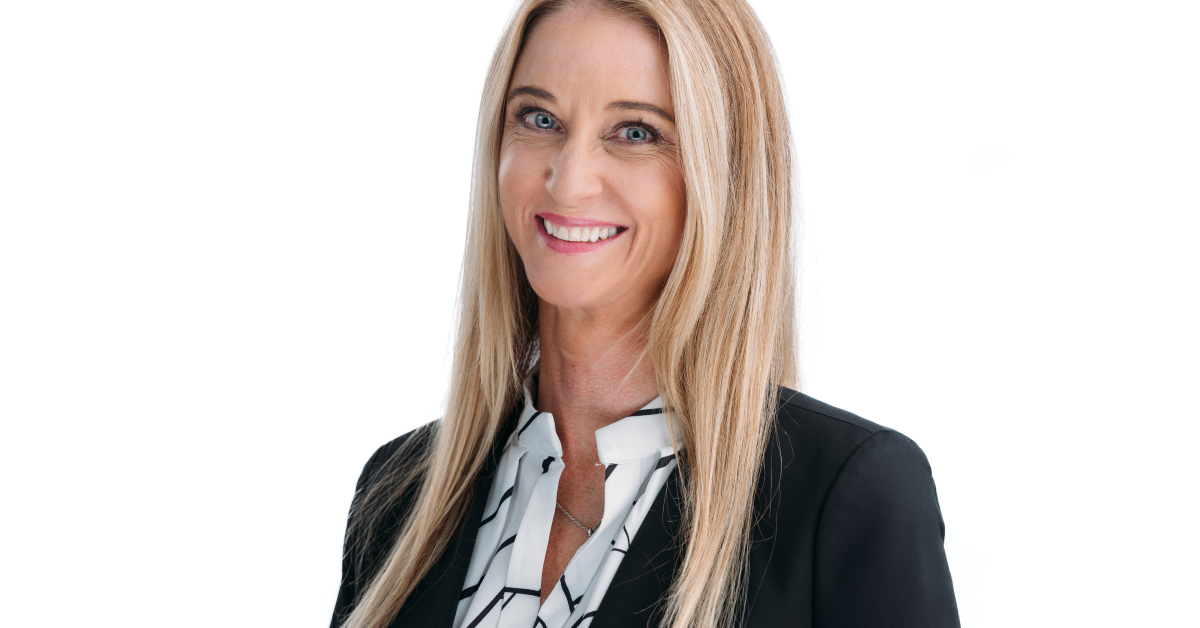
Michelle Jennings – Chief Executive Officer, Glu Mutual
Michelle is a purpose-driven leader with a strong track record of transforming businesses while championing customer-centric innovation within the financial services sector. As CEO of Glu Mutual, she is leading the organisation’s mission to make financial protection more accessible, transparent and relevant for South Africans.
Her leadership is centred on creating long-term value for members while fostering a culture of innovation, inclusion and responsible business practices. Michelle’s insights into executive leadership, organisational transformation and purpose-led growth make her an ideal candidate for the Women in Leadership category.