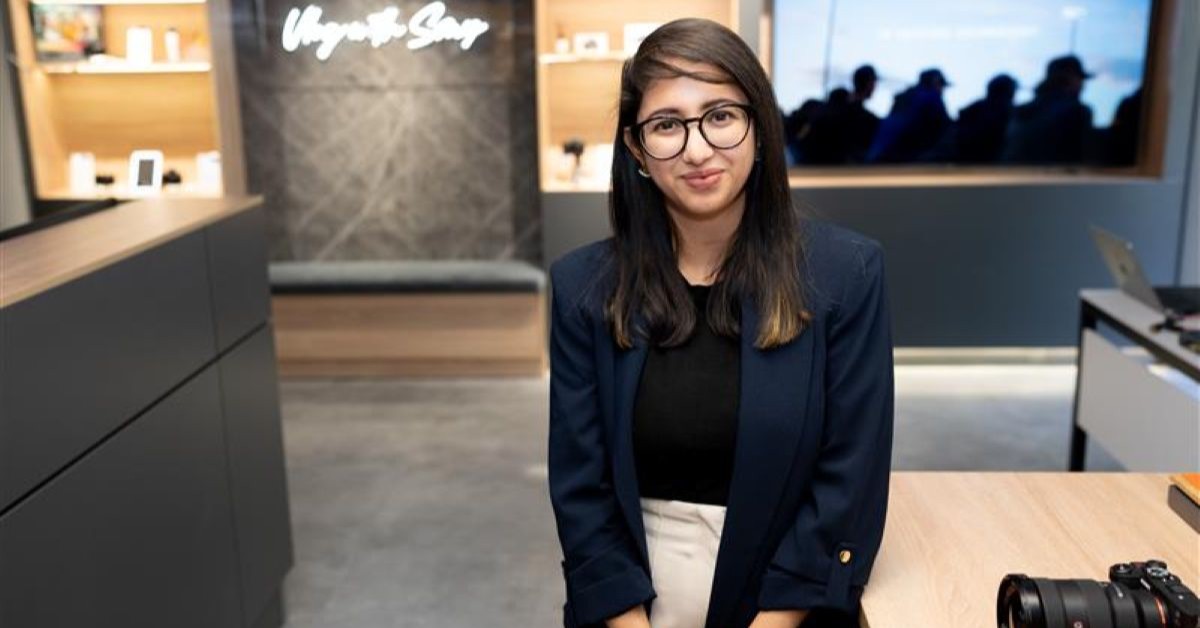
Her journey into the world of digital imaging began with something deeply personal: the family photo albums of her childhood in India. In a culture where photographs were carefully preserved as treasured family heirlooms, she grew up seeing firsthand how images could capture not just moments, but stories, memories, and generations. That early connection to the emotional power of photography would ultimately inspire her career in technology and imaging, and continues to fuel her passion for the industry today.
1. What inspired you to pursue a career in technology and imaging, and what has kept you passionate about the industry over the past decade?
My path into Digital Imaging actually goes back to something very personal: photo albums at home. Growing up in India, photo books were never just casual clicks; they were treated like family heirlooms. Every wedding, every festival, every school function ended up as a carefully curated album, often handed down and revisited for generations.
Watching my parents and grandparents pull out those albums, tell stories around a single photograph, or point out who was standing where at a family wedding decades ago that’s where the emotional pull toward imaging really started for me. A photograph wasn’t just an image; it was a memory-keeper, almost sacred in how families preserved it.
When I eventually moved into a career in technology, that emotional foundation is what pulled me toward imaging specifically, rather than tech more broadly. What’s kept me passionate over the past decade is seeing that same instinct. Sony has been at the center of that shift, from mirrorless systems to computational imaging, but at its core, the mission hasn’t changed much from those photo albums I grew up around: helping people capture moments worth keeping.
The privilege of working at a company like Sony is being able to merge that personal, almost nostalgic connection to photography with cutting-edge innovation and staying close to a community of photographers and creators who remind us why the craft matters in the first place.
2. As the Senior Manager, Product Marketing, Digital Imaging for Sony Alpha, what does your role involve on a day-to-day basis?
My role is centred on driving the growth and overall business performance of Sony’s Alpha interchangeable lens camera category across the Middle East and Africa. That includes developing regional business strategies, overseeing product marketing, working closely with sales teams, and ensuring we deliver meaningful value to our customers across diverse markets.
A significant part of my role is understanding how customer needs are evolving. Whether it’s analysing market trends, planning product launches, or developing marketing initiatives, our focus is always on ensuring that Sony continues to deliver innovations that enable photographers and creators to achieve their creative ambitions.
3. What have been some of the most defining milestones in your career at Sony since joining in 2015?
One of the most rewarding aspects of my journey has been the opportunity to continuously grow within the organisation. Moving through different roles in product marketing and sales has given me a well-rounded understanding of the business and the customer journey. Leading the Sony Alpha category across the Middle East and Africa has certainly been a defining milestone. It has allowed me to contribute not only to business growth but also to shaping how the brand connects with photographers and creators across diverse markets.
Another highlight has been leading initiatives that go beyond product launches to create meaningful impact within the imaging community. One example is the Sony Alpha Female initiative, which celebrates and empowers women photographers and filmmakers by providing greater visibility, opportunities, and a platform to inspire the next generation of creators. Being part of an initiative that champions diversity and helps more women pursue their creative ambitions has been especially rewarding.
Every successful product launch and community initiative reinforces the importance of understanding what creators need and translating those insights into impactful marketing strategies.
4. The imaging industry is highly competitive and fast-moving. What are the biggest challenges you currently face in your role?
One of the biggest challenges is keeping pace with how quickly creators’ needs continue to evolve. The way people create content today is very different from just a few years ago, with photography, video, and live streaming becoming increasingly interconnected. Our responsibility is to anticipate those changing needs while continuing to deliver products that combine innovation with ease of use. At the same time, we need to ensure our marketing remains relevant across diverse markets, recognising that creators in South Africa, the Middle East and other parts of Africa each have unique aspirations and ways of expressing themselves.
5. You’ve progressed through multiple roles within Sony. What key skills or mindset shifts helped you grow into leadership?
One of the biggest shifts was moving from focusing primarily on delivering individual projects to thinking more strategically about long-term business outcomes. Leadership requires balancing commercial objectives with customer needs while ensuring your team has the clarity and support to succeed.
I’ve also learned the importance of remaining curious. Technology evolves rapidly, and staying open to new ideas, listening to customers, and embracing continuous learning has been essential throughout my career. Equally important is collaboration. The best outcomes come from diverse perspectives and strong partnerships across teams.
6. How do you stay innovative and keep your marketing strategies fresh in such a rapidly evolving industry?
Innovation starts with listening. We spend a great deal of time understanding how photographers, filmmakers, and creators are working, the challenges they face, and how their creative workflows continue to evolve.
We also stay closely connected to broader industry trends, whether that’s advancements in AI, changing content formats, or the growth of the creator economy. Combining those insights with close collaboration across our regional and global teams allows us to develop marketing strategies that remain relevant while showcasing how Sony’s innovations help creators unlock new possibilities.
7. What does success look like for you personally and professionally at this stage of your career?
At this stage of my career, success is more about impact and influence both on the business and on the people I work with.
Professionally, success means being able to shape how a brand like Sony’s imaging story gets told, not just running campaigns, but building strategies that genuinely connect technology with the people who use it, whether that’s a professional photographer, a filmmaker, or someone just starting their creative journey. It also means growing a team and a culture where people feel ownership over their work, not just execution of a plan handed down to them. If I can look back and see that the people I’ve worked with have grown in confidence, in skill, in how they think about marketing, that feels like a bigger marker of success than any single campaign metric.
Personally, success is about balance and integrity in how I get there. I want to build things I’m proud of, whether that’s honesty with my team, staying curious, and continuing to learn. Ultimately, success at this stage is less about “arriving” somewhere and more about knowing I’m building something meaningful, for the brand, for the people around me, and for myself, in a way that’s sustainable for the long run.
8. What advice would you give to women looking to build a career in product marketing, technology or the consumer electronics space?
My advice would be to stay curious and never stop learning. Technology is constantly evolving, and some of the greatest opportunities come from being willing to embrace change rather than being intimidated by it. It’s also important to build confidence in your own perspective. Product marketing sits at the intersection of business, technology, and consumer insight, so developing a strong understanding of both customers and commercial strategy will serve you well.
Finally, seek opportunities that challenge you. Every new role offers the chance to develop new skills and broaden your perspective. Leadership is a journey of continuous growth, and being adaptable, collaborative, and open to learning will always be valuable qualities, regardless of where your career takes you.