
Have you ever considered that your work dedication could be delaying your recovery? Winter brings with it an increase in colds and flu, but the way we approach our careers has changed the way we respond to these illnesses. Gone are the days when sick meant staying in bed until you felt better. Thanks to laptops, smartphones and virtual meetings, many people remain connected and continue working, even when they’re unwell.
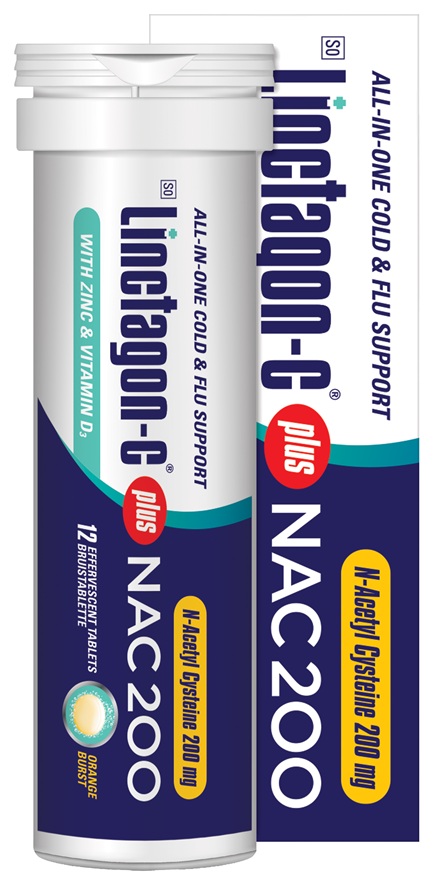
According to Lindie Pretorius, Brand Manager for Linctagon®, this approach may be doing more harm than good. “When your body is fighting a virus, it’s already working overtime. Continuing to push through deadlines can place additional strain on your system and potentially prolong recovery,” she explains.
Health experts have increasingly highlighted the impact of “presenteeism” – working while sick. While often viewed as a sign of commitment, presenteeism can lead to reduced concentration, impaired decision-making, lower-quality work and longer recovery times. It also affects overall wellbeing and may ultimately be less productive than taking a short period off to recover properly.
“Many people worry about falling behind or inconveniencing colleagues, but taking the time you need to recover is often the most productive decision in the long run,” says Pretorius. When illness strikes, a genuine break from work should be viewed as an investment in your health and future performance.
Top tips for recovering effectively and returning to work at your best:
1. Disconnect completely. Permit yourself to step away from work. Trying to work through illness often results in reduced efficiency and unnecessary stress, which can delay recovery.
2. Set clear boundaries. Let colleagues and clients know you’re unavailable while you recover. Turn off work notifications and avoid checking emails unless necessary.
3. Prioritise rest. Sleep is one of the body’s most important recovery tools. Aim for extra rest and listen to your body’s signals if you need to slow down.
4. Stay hydrated. Illness can increase fluid loss, particularly if you’re experiencing fever or congestion. Drink water regularly and consider warm fluids such as herbal teas or soups.
5. Eat nourishing foods. Choose simple, nutritious meals that provide your body with the energy and nutrients needed to support healing.
6. Avoid replacing work with chores. Recovery time shouldn’t become an opportunity to tackle household tasks or errands. Give your body the downtime it needs.
7. Reduce screen time. Excessive scrolling, streaming or consuming work-related content can be mentally draining. Balance screen use with periods of quiet rest.
8. Follow medical advice. Take medications as directed and allow yourself the recommended recovery period before resuming normal activities.
9. Return gradually. Once you’re feeling better, ease back into your workload. Focus on priority tasks and give yourself time to regain momentum.
10. Focus on long-term productivity. A few days of proper rest can help prevent lingering symptoms and allow you to return with the energy, focus, and mental clarity needed to perform at your best.
The next time you’re tempted to power through a cold or flu, remember that recovery is not time lost. Taking care of yourself today may be the key to performing better tomorrow.