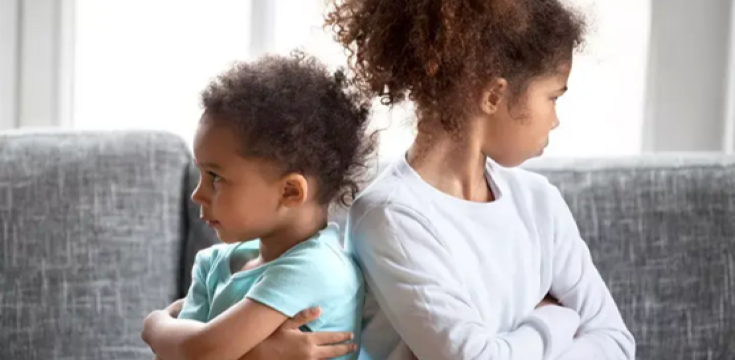
Those moments of bickering, debates, and competition can feel like an everyday drama in households with more than one child. Whether it’s arguing over who gets the last slice of pizza or the coveted window seat, these conflicts are as common as they are challenging for parents. However, sibling rivalry is more than just minor skirmishes; it is also a powerful opportunity to teach children valuable life skills.
“At Dibber International Preschools, we believe sibling conflicts can be transformed into moments of growth,” says Ursula Assis, Country Director of Dibber International Preschools. “By teaching children empathy, collaboration, and problem-solving skills, parents can foster stronger relationships between siblings that will benefit them throughout their lives.”
Understanding the Root of Sibling Rivalry
Sibling rivalry often stems from emotions such as jealousy, competition, or boredom. Though natural, these feelings can escalate into frequent disagreements if not addressed. The key is approaching the situation empathetically and creating an environment where each child feels seen, valued, and respected.
Tips for Creating Harmony at Home
Celebrate Individuality – Recognise and appreciate each child’s unique strengths and talents. By building their self-esteem, children are less likely to compete for attention and more likely to support one another.
Encourage Collaborative Activities – Engage siblings in activities that promote teamwork, such as baking, arts and crafts, or building a fort together. These shared experiences teach cooperation and allow siblings to appreciate each other’s contributions.
Teach Conflict Resolution Skills – When disagreements arise, guide children through the process of resolving conflicts. Encourage them to express their feelings, listen to one another, and find mutually acceptable solutions. These skills are not only helpful at home but will also serve them well in their social and professional lives.
Model Positive Behaviour – Children learn by example. Demonstrating respectful communication and healthy conflict resolution in your relationships sets a strong standard for your children to emulate.
Set Clear Boundaries – Establishing household rules about acceptable behaviour ensures consistency and fairness, reducing misunderstandings that may lead to conflicts.
The Long-Term Benefits of Addressing Sibling Rivalry
Parents can transform sibling squabbles into meaningful opportunities for emotional growth by focusing on empathy, mutual respect, and collaboration. These moments are not just about managing today’s disagreements but about equipping children with lifelong skills.
The result? Lifelong bonds are built on understanding and respect. “Parents may feel overwhelmed in the moment, but the effort to nurture harmony will lead to relationships that children treasure well into adulthood,” Assis adds.