During the holiday season, many South Africans tend to overspend on presents, parties, clothing, and travel, which leads to taking on debt. They often overlook budgetary constraints to create memorable experiences for their loved ones. As a result, they accumulate various forms of credit card and store card debt without fully understanding the implications of high-interest rates and strict repayment terms. Consequently, many people find themselves in a precarious financial position at the start of the new year.
To ensure long-term financial well-being, it is crucial to understand and manage debt properly, as it can significantly impact the ability to save, invest, and achieve financial goals. Shafeeka Anthony, marketing manager of JustMoney.co.za, a platform that assists South Africans in making good money choices, explains that January is typically the time when people take stock of their financial situation and aim for fresh beginnings. Therefore, it is an ideal time to learn more about debt and take control of one’s finances.
Good debt: An investment in the future.
Good debt means borrowing money to invest in assets that have the potential to increase in value over time, or to generate an income, says Anthony.
Some examples of good debt include:
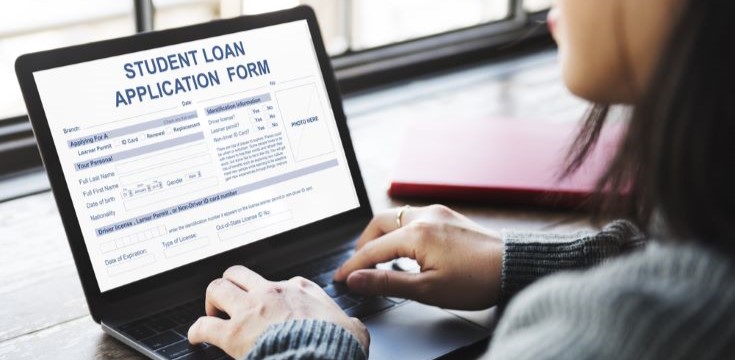
- Student loans: Investing in education can increase your earning potential and long-term career opportunities.
- Mortgages: Buying a home can be a wise investment as you’re paying off your property, which generally appreciates over time.
- Home improvement loans: Using a personal loan, or home equity loan (home loan refinancing), to renovate your property can increase its value markedly.
- Business loans: Borrowing to start or expand a business can increase personal wealth and profitability.
- Vehicle loans: Financing a reliable, value-for-money car can be a strategic move if transport is necessary for your work and increases your ability to generate an income.
Bad debt: A burden on financial health
- Bad debt is incurred for purchases that do not contribute to wealth-building, or do not provide long-term value, says Anthony. Examples of bad debt that can quickly lead to financial strain include:
- Credit card debt: Accumulating credit card debt for non-essential purchases, and not paying it off in full at month-end.
- Lifestyle loans: Taking out loans for items with no lasting value, such as tech gadgets, fashionable clothing, and extravagant holidays.
- Financing a rapidly depreciating vehicle: Financing a car that depreciates rapidly in value, and requires expensive repairs and parts, may be a poor financial decision.
Debt and credit scores
Understanding your credit score is a crucial factor in managing your debt. Lending institutions, like banks, use your credit score to decide if you are a low-risk or high-risk borrower. They carefully check your score and credit reports before providing any type of loan or credit. Your credit score also determines the interest rate you will be charged.
Managing and repaying good debt has a positive impact on your credit score. On the other hand, accumulating bad debt and failing to make timely payments will hurt your score. Poor financial behavior makes it challenging to access favorable financing options in the future.
In the words of Anthony, “Given the tough economic climate, few of us can buy a car or home with cash. Using credit is unavoidable, but being able to obtain a loan or bond can make a significant difference in your lifestyle. If you can obtain a loan at a favorable interest rate, this can add up to a saving of thousands of rands over the payback period.”
Debt reduction strategies
If you’re facing difficulties with debt, it’s advisable to seek assistance as soon as possible, according to Anthony. Debt counselling could be a viable option if you’re overburdened with debt and struggling to keep up with payments.
Under this alternative, a debt counsellor will work on your behalf and negotiate lower interest rates, resulting in a single monthly instalment over an extended payment period.
“Taking the time to educate yourself about debt is essential in managing your hard-earned money,” concludes Anthony. “Understanding the difference between good and bad debt will empower you to make informed financial decisions, avoid pitfalls, and build a secure future.”
JustMoney.co.za is a trusted voice within the personal finance sector. More than 450,000 South Africans subscribe to the free credit score platform to stay informed and become financially savvy. Subscribe here.