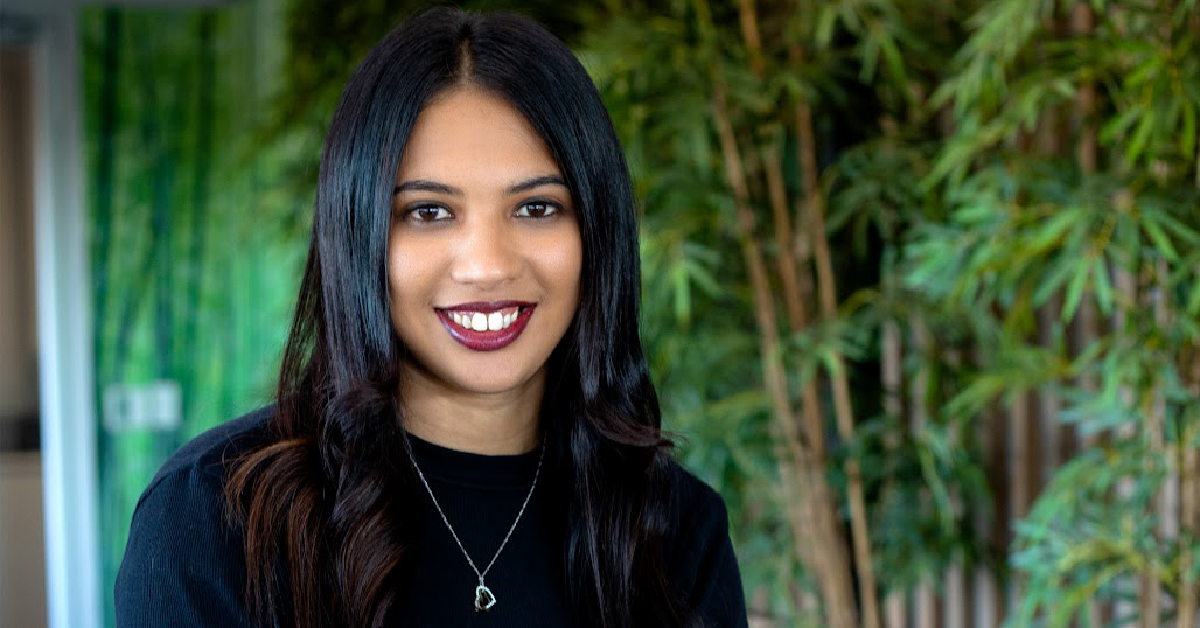
We speak to Insaaf Daniels, Marketing & People Director at redPanda Software, about her leadership journey, the experiences that have shaped her career, and the lessons she’s learned along the way. Passionate about building high-performing teams and fostering inclusive workplace cultures, she shares her insights on empowering women to lead with confidence, purpose, and authenticity.
1. Tell us about your career journey and what led you to your current leadership role.
I started my career as a finance intern at a large retailer, which was the field I had studied. It didn’t take long for me to realise that while I enjoyed finance, what I loved most was helping people build their careers. There was something incredibly rewarding about taking someone from submitting a CV to accepting a brand-new job opportunity. Seeing how a career can change someone’s life became my passion.
That passion led me into Human Resources, where I was offered a permanent position. I had the opportunity to grow across different HR functions before being approached about joining redPanda Software as Head of Human Capital. Over the years, I progressed into the Human Capital Director role, became a Board Director, and in 2026 stepped into my current role as Marketing & People Director. Looking back, every role prepared me for the next one, and each opportunity reinforced that investing in people is where I create the most impact.
2. What has been the most defining leadership lesson you’ve learned throughout your career?
I’ve learnt that leadership is built on relationships. Taking the time to understand how people think, work, and communicate not only helps you grow as a leader but allows you to bring out the best in others.
I’ve also learnt that how you communicate is just as important as what you communicate. Strategy, timing, and understanding your audience can make all the difference when you’re trying to influence change or gain buy-in for an idea.
And finally, I’ve learnt that people respond to impact. Great ideas become even more powerful when you can support them with meaningful data and measurable outcomes.
3. How would you describe your leadership style, and how has it evolved?
I’m a people-first leader who believes growth happens through continuous feedback, trust, and accountability. Whether it’s recognising exceptional work or having honest conversations about improvement, feedback is one of the most valuable tools we have.
Over time, my leadership has evolved because I realised leadership isn’t about me—it’s about the collective impact my team and I can have on the organisation. It’s about creating an environment where people are in the right roles, doing work they’re passionate about, and giving them the support and autonomy to succeed.
4. What are some of the biggest challenges you’ve faced as a woman in leadership, and how did you overcome them?
Depending on the industry you’re in, and especially when you’re younger than everyone else in the room, you’re sometimes seen as “the young woman” before you’re seen as the leader. I’ve learnt not to let that define me. Instead, I’ve focused on the value I bring: my expertise, my perspective, and my ability to think differently. Confidence doesn’t come from having all the answers; it comes from knowing you’ve earned your seat at the table and trusting your ability to contribute.
5. How do you foster an inclusive, high-performing culture within your organisation?
It starts with genuinely caring about the people in the organisation. We want everyone to know that they belong, that their voice matters, and that there is room for them to grow. Leadership isn’t about telling people what to do; it’s about creating an environment where people feel empowered to do their best work.
We’re passionate about developing people, whether it’s through new initiatives, mentorship, or our internship programmes. Seeing people grow into roles they never imagined for themselves is one of the most rewarding parts of what we do.
We also embrace flexibility through our hybrid working model. Our teams decide when it’s most valuable to collaborate in person, giving people the balance they need while still maintaining strong connections.
Our values of Harmony, Accountability, and Pride guide how we work every day. Harmony reminds us that different perspectives make us stronger. Accountability means delivering on what we commit to. Pride means ending each day knowing we’ve produced work we can stand behind—whether that’s a major software release or a simple email.
6. What business trends do you believe will shape leadership over the next five years?
I think the biggest shift we’ll see is that leadership will become far more human. AI and technology are transforming the way we work, but they can never replace empathy, emotional intelligence, or the ability to inspire people. The leaders who will thrive are those who know how to combine technology with genuine human connection.
Continuous learning will also become essential. The skills people have today won’t necessarily be the skills they need tomorrow, so organisations need to create cultures where curiosity, adaptability, and learning are part of everyday work.
Another trend is purpose. People, especially younger generations, want more than just a salary. They want meaningful work, flexibility, wellbeing, and leaders who genuinely care about their development. They’re also reshaping workplace expectations by asking for better balance, clearer direction, and healthier ways of working. Organisations that listen and evolve will be the ones that attract and retain exceptional talent.
Lastly, I believe leadership will become less about hierarchy and more about influence. The best leaders won’t be the ones with all the answers; they’ll be the ones who ask great questions, empower their teams, and create environments where innovation can thrive.
7. Who has influenced your leadership journey the most, and why?
The leaders I’ve had the opportunity to work with have shaped my leadership journey in different ways. Some showed me exactly the kind of leader I wanted to become, while others taught me valuable lessons about the importance of empathy, communication, and trust. Every experience helped shape my own leadership philosophy.
I’m also deeply grateful to the women who paved the way before us. The mentors and sponsors who advocated for us in rooms we weren’t in created opportunities that many of us now benefit from. Their willingness to open doors has inspired me to do the same for others.
8. What advice would you give to women aspiring to step into executive leadership positions?
If there isn’t a seat at the table, create one.
You don’t have to be the loudest person in the room or change who you are to be taken seriously. Let the quality and impact of your work speak for itself. Measure your results, use data to tell your story, and don’t be afraid to advocate for yourself and your team.
Relationships are one of the greatest investments you can make in your career. Build genuine relationships with people who challenge, support, and inspire you. Use your energy wisely, stay true to who you are, and remember that your perspective is your strength. The qualities that make you different are often exactly what leadership needs.