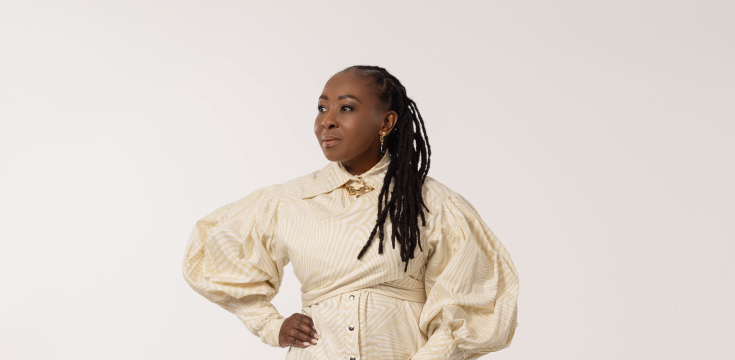
1. Can you please tell us more about your business?
Lathitha Biodiesel is a green energy company that produces clean, renewable biodiesel from waste cooking oil. We aim to reduce pollution, especially in water systems, while promoting sustainability and job creation. Our work supports a circular economy by transforming harmful waste into valuable, eco-friendly fuel.
2. When, how, and why did you start your business?
I started Lathitha Biodiesel in 2021 during the COVID-19 lockdown. As someone deeply concerned about the environment, I saw an opportunity to tackle the issue of waste cooking oil polluting rivers and oceans. I started researching and experimenting in my kitchen, driven by a passion for sustainability and the urgent need to create solutions that also empower communities.
3. What is your role in the business?
I am the founder and managing director. My role spans from strategy and stakeholder engagement to hands-on operations, community training, and building partnerships that help scale our impact.
4. Where did you study, and what did you study?
I recently graduated from the Gordon Institute of Business Science (GIBS), and I have participated in various entrepreneurial and innovation programs, including WomHub, Orange Corners, and Startup School. My learning journey is continuous and deeply practical.
5. How did you finance your business?
Initially, I used my personal savings and reinvested any income I could generate from previous ventures. Over time, I secured small grants and support from incubator programs to pilot biodiesel production and develop community awareness initiatives.
6. Describe your average workday, if such a thing exists.
Every day is different. Some days I’m engaging with clients or attending environmental forums, other days I’m in township communities collecting waste oil or training youth. There’s also time spent on proposals, compliance paperwork, and product development. It’s a balance of passion, purpose, and persistence.
7. How do you balance your home life and your work life?
It’s a constant work in progress. I’m learning to prioritise rest and moments of self-care. I consciously make space for my loved ones, reflection, and activities that ground me because my well-being fuels my work.
8. What drives you and inspires you?
The vision of a cleaner, more inclusive Africa drives me. I’m inspired by the potential we have to turn our challenges like pollution and youth unemployment into opportunities for innovation and empowerment.
9. Where and when do you have your best ideas?
My best ideas often come when I’m in the shower or bath. That’s when my mind quiets down and my soul feels most at peace, it’s both a cleansing and creative space for me.
10. Where and how do you market/advertise your business for sales leads?
We market through community workshops, stakeholder engagements, social media, and partnerships with local government, environmental agencies, and sustainable brands. Word-of-mouth also plays a big role as we grow our presence.
11. What is next for your business?
We are currently focused on securing funding to establish our biodiesel plant, which will allow us to process at scale, expand job creation, and formalise more township oil collection networks.
12. What advice would you give to female entrepreneurs hoping to start their own business?
Start where you are, with what you have. Trust your instincts, stay rooted in your purpose, and don’t wait for perfect conditions, they rarely exist. Surround yourself with people who believe in you and never be afraid to ask for help or collaborate. Your vision is valid.
Biography
From selling homemade skirts at 13 to launching Lathitha Biodiesel in 2021 and now a 2025 Veuve Clicquot Bold Future Award finalist, Phumzile’s journey is rooted in resilience and reinvention. Her award-winning green energy company turns waste cooking oil into biodiesel, improving air quality while creating jobs and green skills in local townships.
Through Lathitha, Phumzile is driving climate action and youth employment, intending to expand across Africa, Brazil, and Europe. Her Green Energy Skills Development Hub equips young people with vital green skills, while her company reduces waste oil pollution and empowers communities through the circular economy.
What sets women apart in business?
“We don’t just build for profit; we build with heart for people and the planet. This deep sense of purpose positions women entrepreneurs to lead the next era of business—one that’s inclusive, sustainable, and truly transformative”.