
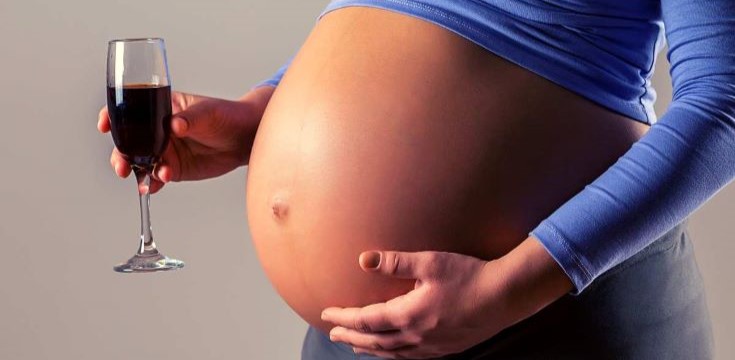
Exposure to alcohol during pregnancy and breastfeeding can be harmful to both the mother and the baby. It is important for women to avoid alcohol consumption during these periods to prevent the risk of fetal alcohol syndrome and other related complications. It is recommended not to drink any amount of alcohol at any time in pregnancy or if you might be pregnant.
Alcohol can affect a pregnancy even before a person knows they are pregnant. Alcohol easily crosses the placenta and reaches the developing baby. The chance that a baby will be affected by alcohol can depend on many factors, including genetics, nutrition, and alcohol metabolism of both the person who is pregnant and the developing baby. The risks may be different for the same person in different pregnancies.
Miscarriage
This is common and can occur in any pregnancy for many different reasons. Studies have reported higher rates of miscarriage among those who drink alcohol during pregnancy.
Birth defects
Every pregnancy starts out with a 3-5% chance of having a birth defect. This is called the background risk. Drinking alcohol in pregnancy can cause Fetal Alcohol Spectrum Disorder (FASD). FASD includes a range of effects related to alcohol exposure in pregnancy, from physical birth defects to changes in brain development. These effects can range from mild to severe. Depending on the specific effects or combination of effects, healthcare providers use different terms to describe different kinds of FASD.
Other pregnancy-related problems
Studies have reported higher rates of stillbirth among people who drink alcohol during pregnancy. Drinking alcohol may also increase the chance of preterm delivery (delivery before 37 weeks of pregnancy) and cause the baby to grow smaller than expected.
Disabilities and learning problems
Drinking alcohol in pregnancy affects brain development and is a leading cause of intellectual disability. A baby’s brain develops throughout pregnancy, so drinking alcohol at any time in pregnancy increases the chance for the baby to have intellectual disabilities and learning problems.
People with FASD can also have behavioral problems, such as poor judgment, not understanding the consequences of their actions, and trouble with social relationships. These problems can create lifelong challenges for people who are affected and their families.
Having a single serving of alcohol one time is much less concerning than heavy or binge drinking and is considered less likely to cause alcohol-related problems for the baby. However, it is recommended that you avoid further use of alcohol during your pregnancy.
Binge drinking exposes the developing baby to the highest amount of alcohol at one time and is known to increase risks to the pregnancy. The effects of other specific patterns of alcohol use in pregnancy are not as well understood because some studies look at weekly averages while others look at daily use.
The use of alcohol during pregnancy can cause temporary symptoms in newborns soon after birth. These symptoms are sometimes referred to as withdrawal. Babies have a higher chance of going through withdrawal if they have been exposed to alcohol close to delivery. Symptoms of withdrawal can include involuntary shaking movements, increased muscle tone, restlessness, and excessive crying.
Tests that can help your baby’s growth and development
Talk with your healthcare provider about your alcohol use and the best ways to monitor your baby’s growth and development during pregnancy. Ultrasounds can look for some birth defects and follow the baby’s growth. There are no screenings or tests available during pregnancy that can tell if alcohol has caused intellectual disabilities or learning problems, or if it will affect future behavior for the child.
Breastfeeding while drinking alcohol
Alcohol easily gets into breast milk. The amount of alcohol in a person’s breast milk is about the same as in their blood. Alcohol can pass back and forth between the bloodstream and the breast milk. Only time can lower the amount of alcohol in the blood and breast milk. Pumping and discarding milk, drinking water, taking caffeine, or exercising does not help the body get rid of alcohol faster. It takes about 2 to 2.5 hours for each standard drink to clear from breast milk.
For each additional drink, a person must wait another 2-2.5 hours per drink. If needed, the person may pump during this time to stay comfortable and keep up their milk supply. Discarding this pumped milk will help avoid exposing the baby to any alcohol in the milk. Drinking alcohol can also make it harder for the body to make milk.
For more information, please see the MotherToBaby fact sheet Paternal Exposures at https://mothertobaby.org/fact-sheets/paternal-exposures-pregnancy/.


