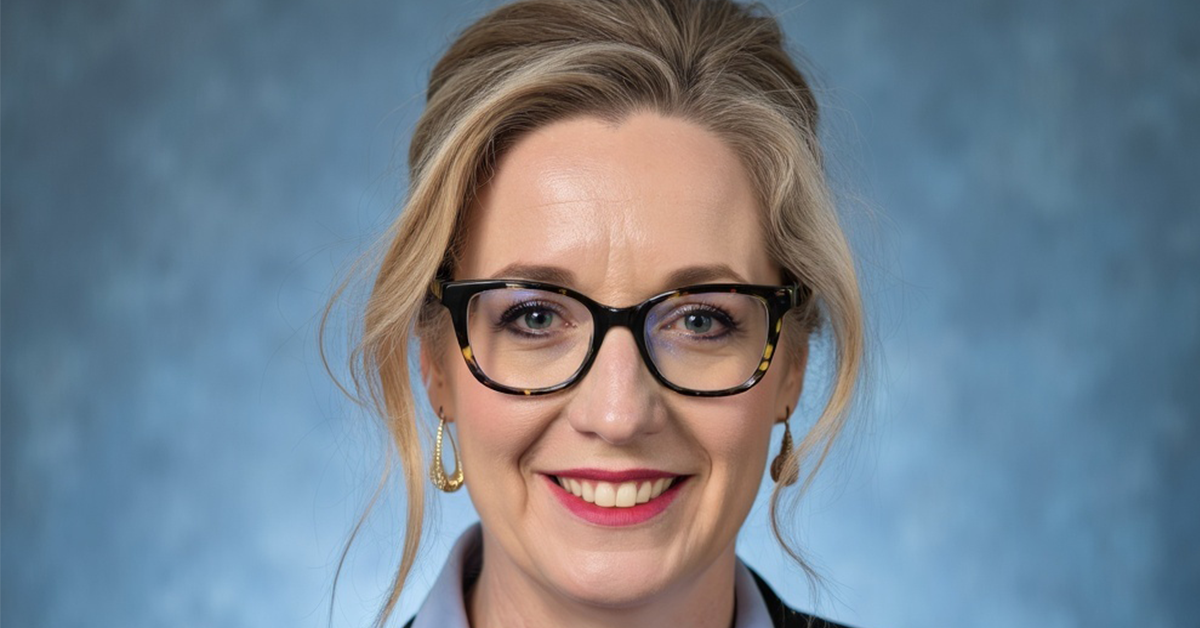
Heavy Menstrual Bleeding (HMB) is a common yet often under-recognised condition that can significantly impact a woman’s physical, emotional, and social well-being. In this Q&A, Tina Visser, Medical Expert at Bayer Sub-Saharan Africa, sheds light on what HMB is, its causes and symptoms, and why timely diagnosis and treatment are essential for improving quality of life.
1. Why is menstrual health education such a critical public health priority in South Africa right now?
Menstrual health education is required to provide health equity, dignity, and socio-economic participation in South Africa. Too many girls still miss school due to inadequate access to sanitary products or a lack of accurate information. At the same time, millions of women continue to live with untreated conditions such as heavy menstrual bleeding, fibroids, and endometriosis.
In South Africa, many girls and women still grow up with limited, inconsistent, or misleading information about menstruation. Menstruation remains surrounded by stigma and silence. This leads to a culture where women are expected to endure symptoms rather than question them. When menstrual health is not understood, symptoms are normalised, warning signs are missed, and women often delay seeking care until the condition has significantly affected their wellbeing. Elevating menstrual health education is therefore not only a healthcare imperative but also central to empowering women, improving health outcomes, and supporting broader national development goals.
2. With the growing national conversation around sanitary product safety, what are the biggest misconceptions women still have about what is “normal” when it comes to their periods?
One of the biggest misconceptions is that periods are supposed to be very painful, very heavy, or disruptive to everyday life and are simply part of being a woman. Many women are taught to believe that suffering is simply part of being female, when in fact symptoms such as flooding, severe pain, passing large clots, dizziness, or exhaustion may signal an underlying medical issue.
Many women also believe it is normal to structure their lives around their periods – missing work, avoiding social activities, or managing constant discomfort and pain.
There is also confusion around what constitutes a “normal” cycle. In reality, there is a range of normal, but symptoms that interfere with daily life, cause weakness or anaemia, or lead to missed school or work should not be dismissed as “normal”. Increasingly, we are seeing that women have normalised abnormal experiences, often delaying diagnosis and treatment.
3. Heavy Menstrual Bleeding is often under-recognised. How would you define HMB, and how can women tell the difference between a heavy period and a potential medical condition?
Heavy menstrual bleeding is generally defined as excessive menstrual blood loss that interferes with a woman’s physical, social, emotional, or material quality of life. One in three women suffers from HMB.
In practice, it is not only about the amount of blood loss but also about the impact it has on daily functioning. HMB is not just “a heavy period” as some may think. It is a medical condition that interferes with a woman’s physical, emotional, and social quality of life, affecting how she lives her day-to-day life.
Women should be concerned if they soak through pads or tampons very frequently, bleed for longer than usual, pass large clots, need double protection, wake up at night to change sanitary products, or feel constantly tired or light-headed during their period. If menstruation regularly disrupts daily activities, it is worth discussing with a healthcare professional.
4. Why do so many women silently endure symptoms like excessive bleeding, anaemia, and chronic fatigue without seeking medical care?
Many women do not seek help because they have normalised their symptoms from an early age. If heavy bleeding or severe pain is common in the family or community, they may assume it is something they simply have to live with.
There are also emotional and structural reasons. Shame, stigma, cost concerns, limited awareness of available treatments, unequal access to healthcare services, and fear of not being taken seriously can all prevent women from seeking care, even when symptoms are severe.
In some cases, women may have previously felt dismissed when raising concerns, further discouraging them from seeking care. As a result, many adapt their lives around their symptoms rather than addressing the underlying cause.
5. How does limited access to accurate information impact women’s ability to recognise warning signs and seek appropriate treatment?
When women do not have access to accurate information, they often lack the language to describe what they are experiencing and the confidence to recognise that something may be wrong. This means they may underestimate the severity of their symptoms and present late, after months or even years of treatable symptoms.
Poor information also affects decision-making. If women do not know what is normal, what is treatable, or where to seek help, they are less likely to access timely diagnosis and appropriate care. This can lead to delayed diagnosis, progression of underlying conditions, and preventable complications such as iron-deficiency anaemia. It also perpetuates a cycle where poor menstrual health is normalised, reinforcing silence and inaction.
6. In what ways can improved menstrual health education empower young girls and women to advocate for their own health?
Good menstrual health education gives girls and women knowledge, vocabulary, and confidence. It helps them understand their bodies, identify symptoms that may need medical attention, and communicate more effectively with parents, teachers, and healthcare providers.
It also helps shift the conversation from silence to self-advocacy. When girls and women know that severe symptoms are not something they must simply endure, they are more likely to seek support early and ask informed questions about diagnosis and treatment.
7. What role should schools, families, and healthcare providers play in normalising conversations around menstrual health?
Normalising menstrual health requires a collective effort. Schools should provide age-appropriate, medically accurate education that covers not only puberty and hygiene but also menstrual wellbeing, warning signs, and when to seek help. This education should be inclusive, practical, and free from shame. Families play a crucial role in setting the tone. When menstruation is discussed openly and respectfully at home, girls are more likely to report symptoms early rather than hide them.
Healthcare providers must also create safe, respectful spaces where women feel heard. They should actively incorporate menstrual health into routine consultations by asking about menstrual symptoms, taking concerns seriously, and avoiding dismissing heavy bleeding or severe pain as “just part of being a woman.” Together, these stakeholders can help shift menstruation from a taboo subject to a standard component of overall health.
8. How does untreated HMB affect a woman’s quality of life, productivity, and mental well-being?
Untreated heavy menstrual bleeding can have a profound effect on almost every part of a woman’s life. It may lead to anaemia, chronic fatigue, poor concentration, reduced physical functioning, and repeated disruption of work, school, caregiving, and social activities.
The emotional toll can also be significant. Many women experience anxiety about leaking, embarrassment in public or professional settings, sleep disruption, frustration, and a sense of losing control over their own bodies. Over time, this can undermine confidence and overall mental well-being.
9. What barriers prevent women across South Africa and the broader African region from accessing appropriate diagnosis and care?
The barriers are both social and systemic. They include stigma, misinformation, cultural silence, financial constraints, transport difficulties, and unequal access to healthcare services, particularly in under-resourced or rural areas.
In addition, some women may encounter delayed diagnosis because menstrual symptoms are not always prioritised during consultations, while gaps in provider training may result in underdiagnosis or delayed treatment. Limited screening for anaemia, restricted access to specialists, and uneven availability of diagnostic tools and treatment options, especially in the public sector, can all worsen the gap between symptoms and care.
10. How can public-private partnerships help bridge the gap between awareness, education, and access to treatment?
Public-private partnerships can be powerful when they focus on shared public health goals rather than isolated campaigns. By combining resources and expertise, they can support community education, school-based programmes, healthcare provider training, patient information materials, improve access to affordable menstrual products and treatments, and increase broader awareness of warning signs such as heavy menstrual bleeding.
They can also help strengthen access by improving referral pathways, supporting earlier diagnosis, and expanding awareness of available treatment options. When done responsibly, these partnerships can connect education with action and help ensure that awareness leads to care.
11. What practical steps can women take if they suspect their menstrual symptoms are not normal?
The first step is to start tracking symptoms. Women can make note of how many days they bleed, how often they change sanitary products, whether they pass clots, whether bleeding affects sleep or daily activities, and whether they experience dizziness, fatigue, or shortness of breath.
The next step is to seek medical advice and describe the impact clearly. It helps to say not only “my periods are heavy,” but also “I soak through protection every two hours,” or “I feel too weak to function normally during my period.” The impact on daily life is an important clinical clue.
In practical terms, women should think about the impact that their periods have on their lives. The following question can help to determine if she may be suffering from HMB:
- Do you have to change your tampons or pad every two hours or more?
- Do you need to use high absorbency tampons and pads together at the same time?;
- Do your periods last longer than a week?;
- Do you have clots or experience “flooding” (a sudden onset of heavy bleeding) through to your clothes or bedding?;
- Do you feel breathless, faint, or pass large clots?;
- Are you worried about having “accidents” or rearranging your social life during your period?
- Do you experience bleeding after sex or suffer from pelvic pain and bleeding between periods?
If they answer “yes” to any of these questions, they need to speak to their doctor or healthcare provider.
12. Looking ahead, what systemic changes are needed to ensure menstrual health is treated with the urgency and respect it deserves across the region?
We need menstrual health to be integrated more deliberately into mainstream public health, primary care, school health, and women’s health policy. That means better education, earlier screening for abnormal symptoms, improved healthcare provider training, expanding access to diagnostics and treatment, and clearer care pathways for conditions such as heavy menstrual bleeding and anaemia.
We also need a cultural shift. Menstrual health should be treated as a legitimate health issue, not a private inconvenience. When policy, education, healthcare systems, and communities all recognise that menstrual wellbeing matters, women are far more likely to receive the respect, information, and care they deserve.
Ultimately, menstrual health must be prioritised with the same urgency, investment, and respect as any other essential health issue.