Having a baby is an exciting time that often inspires women to make healthier lifestyle choices and, if needed, work toward a healthy body weight. Here you’ll find tips on how to improve your eating and physical activity habits while you’re pregnant and after your baby is born.
Healthy Weight
Gaining an appropriate amount of weight during pregnancy helps your baby grow to a healthy size. But gaining too much or too little weight may lead to serious health problems for you and your baby. How much weight you should gain depends on your body mass index (BMI) before pregnancy. BMI is a measure of your weight in relation to your height. It’s important to gain weight very slowly.
The old myth that you’re “eating for two” is not true. During the first 3 months, your baby is only the size of a walnut and doesn’t need any extra calories. Don’t try to lose weight if you’re pregnant. Your baby needs to be exposed to healthy foods and low-calorie beverages to grow properly. Some women may lose a small amount of weight at the start of pregnancy.
Healthy Eating
Consuming healthy foods and low-calorie beverages, particularly water, and the appropriate number of calories may help you and your baby gain the proper amount of weight. How much food and how many calories you need depends on things such as your weight before pregnancy, your age, and how quickly you gain weight.
If you’re not gaining the weight you need, he or she may advise you to take in more calories. If you’re gaining too much weight, you may need to cut down on calories. Each woman’s needs are different. Your needs also depend on whether you were underweight, overweight, or had obesity before you became pregnant, or if you’re having more than one baby.
What kinds of foods and beverages should I consume?
A healthy eating plan for pregnancy includes nutrient-rich foods and beverages.
- fruits and vegetables (provide vitamins and fiber)
- whole grains, such as oatmeal, whole-grain bread, and brown rice (provide fiber, B vitamins, and other needed nutrients)
- fat-free or low-fat milk and milk products or non-dairy soy, almond, rice, or other drinks with added calcium and vitamin D
- protein from healthy sources, such as beans and peas, eggs, lean meats, seafood that is low in mercury (up to 12 ounces per week), and unsalted nuts and seeds, if you can tolerate them and aren’t allergic to the healthy eating plan also limits salt, solid fats (such as butter, lard, and shortening), and sugar-sweetened drinks and foods.
Try consuming fruit like berries or a banana with hot or cold cereal for breakfast; a salad with beans or tofu or other non-meat protein for lunch; and a lean serving of meat, chicken, turkey, or fish and steamed vegetables for dinner. Think about new, healthful foods and beverages you can try. Write down your ideas and share them with your health care professional.
What if I’m a vegetarian?
A vegetarian eating plan during pregnancy can be healthy. Consider the quality of your eating plan and talk to your health care professional to make sure you’re getting enough calcium, iron, protein, vitamin B12, vitamin D, and other needed nutrients. Your health care professional may also tell you to take vitamins and minerals that will help you meet your needs.
Pregnancy can create some new food, beverage, and eating concerns. Meet the needs of your body and be more comfortable with these tips.
- Eat breakfast every day. If you feel sick to your stomach in the morning, try dry whole-wheat toast or whole-grain crackers when you first wake up. Eat them even before you get out of bed. Eat the rest of your breakfast (fruit, oatmeal, hot or cold cereal, or other foods) later in the morning.
- Eat high-fiber foods. Eating high-fiber foods, drinking water, and getting daily physical activity may help prevent constipation. Try to eat whole-grain cereals, brown rice, vegetables, fruits, and beans.
- If you have heartburn, eat small meals spread throughout the day. Try to eat slowly and avoid spicy and fatty foods (such as hot peppers or fried chicken). Have drinks between meals instead of with meals. Don’t lie down soon after eating.
Certain foods and drinks can harm your baby if you have them while you’re pregnant.
- Alcohol. Do not drink alcohol, such as wine, beer, or hard liquor.
- Caffeine. Enjoy decaf coffee or tea, drinks not sweetened with sugar, or water with a dash of juice. Avoid diet drinks, and limit drinks with caffeine to less than 200 mg per day
- Fish that may have high levels of mercury (a substance that can build up in fish and harm an unborn baby). Limit white tuna to 6 ounces per week. Do not eat king mackerel, marlin, orange roughy, shark, swordfish, or tilefish.
- Foods that may cause illness in you or your baby to avoid are soft cheeses made from unpasteurized or raw milk; raw cookie dough; undercooked meats, eggs, and seafood; and deli salads. Take care in choosing and preparing lunch meats, egg dishes, and meat spreads.
- Some pregnant women may crave something that is not food, such as laundry starch, clay, ashes, or paint chips. This may mean that you’re not getting the right amount of a nutrient. Talk to your health care professional if you crave something that isn’t food. He or she can help you get the right amount of nutrients.
Should I be physically active during my pregnancy?
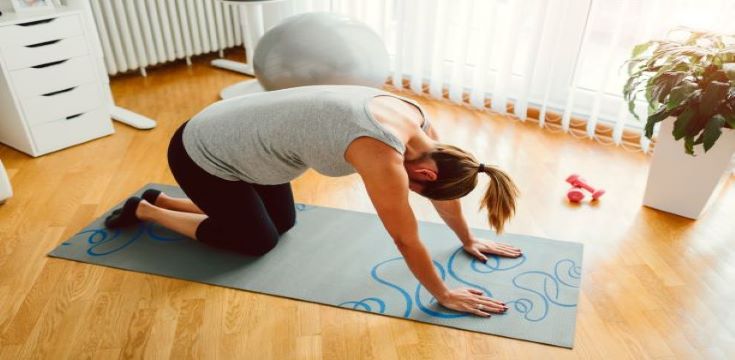
Almost all women can and should be physically active during pregnancy to help you and their baby gain the appropriate amounts of weight
- reduce backaches, leg cramps, and bloating
- reduce your risk for gestational diabetes (diabetes during pregnancy)
- reduce your risk for postpartum depression
If you were physically active before you became pregnant, you may not need to change your exercise habits. Talk with your health care professional about how to change your workouts during pregnancy. If you can only say a few words before pausing for a breath, that’s called vigorous-intensity activity. If you were in the habit of doing a vigorous-intensity aerobic activity or were physically active before your pregnancy, then it’s likely okay for you to continue these activities during your pregnancy.
Even if you haven’t been active before, you can be active during your pregnancy. Here are some tips.
- Go for a walk where you live, in a local park, or in a shopping mall with a family member or friend. If you already have children, take them with you and make it a family outing.
- Get up and move around at least once an hour if you sit most of the day. When watching TV or sitting at your computer, get up and move around. Even a simple activity like walking in place can help.
- Make a plan to be active while pregnant. List the activities you’d like to do, such as walking or taking a prenatal yoga class. Think of the days and times you could do each activity on your list, such as first thing in the morning, during your lunch break from work, after dinner, or on Saturday afternoon. Look at your calendar or phone or another device to find the days and times that work best and commit to those plans.
How can I stay safe while being active?
For your health and safety, and for your baby, you should not do certain physical activities while pregnant. Some of these are listed below. Talk to your health care professional about other physical activities you should not do.