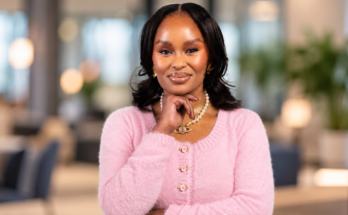
Vanessa Ascencao, health and wellness expert, explains that women with heavy periods, fatigue, or anaemia symptoms should consult healthcare professionals. She cautions, however, that many frontline clinicians may not fully recognise HMB.
Women can proactively request iron testing (including ferritin) and referrals to specialists when needed. Additionally, she encourages women to adopt lifestyle measures such as balanced nutrition, stress management, and, where appropriate, the use of natural, clinically proven iron supplements.
1. What is heavy menstrual bleeding (HMB), and how is it diagnosed?
HMB is when menstrual blood loss is heavier or lasts longer than what’s considered normal. For example, soaking through pads or tampons every hour, passing large clots, or bleeding for more than seven days. Diagnosis is often based on a woman’s history, symptoms, and sometimes blood tests, scans, or specialist referrals. Many women don’t realise their bleeding is excessive because it’s been their “normal” for years.
2. Why is HMB often underreported, especially in South Africa?
There’s still stigma and silence around menstrual health. Many women grow up believing heavy bleeding is just part of being a woman. Limited access to healthcare, financial constraints, and lack of awareness among both women and some healthcare providers also contribute to underreporting.
3. What are the key symptoms of HMB women should watch for?
Watch for soaking through sanitary products in under an hour, needing to use double protection, passing large clots, periods lasting more than seven days, or symptoms of anaemia like fatigue, weakness, headaches, dizziness, or brain fog.
4. How does HMB affect overall health and well-being?
It’s not just physical. HMB can drain your energy, impair concentration, affect your mood, and impact work and relationships. Many women with HMB live with iron deficiency anaemia, which can cause chronic fatigue, brain fog, and low immunity, reducing quality of life.
5. How can diet help manage HMB symptoms?
Nutrition plays a huge role. Eating iron-rich foods such as lean red meat, lentils, beans, spinach, pumpkin seeds, and dark leafy greens can help replenish lost iron. Pairing plant-based iron sources with vitamin C-rich foods like citrus, berries, and peppers boosts absorption.
6. Which nutrients or supplements are most helpful for HMB?
Iron is essential, especially in gentle, well-absorbed forms like Spatone iron-rich water, which is easy on the stomach and available in a vitamin C-enhanced format to boost absorption. Additionally, B vitamins, magnesium (to help with cramps), and omega-3 fatty acids (for inflammation) can also be beneficial.
7. What lifestyle factors can worsen HMB?
High stress, poor sleep, and nutrient-deficient diets can worsen symptoms. Excess sugar, processed foods, and alcohol can affect hormonal balance. Smoking and lack of physical activity can also impair circulation and overall health.
8. Are there natural or holistic ways to ease HMB?
Yes, managing stress through mindfulness or yoga, regular gentle exercise, and a nutrient-rich diet can support hormonal balance. Herbal remedies like ginger, cinnamon, and chasteberry have been traditionally used, but always check with a healthcare professional before starting anything new.
9. What myths or stigma stop women from seeking help?
Myths like “heavy periods are normal” or “it’s just part of womanhood” keep women silent. There’s also cultural discomfort about discussing menstruation openly, and some fear being dismissed or told to “just cope.”
10. How can women advocate for better menstrual health care?
Speak openly with your doctor, keep track of your cycles and symptoms, and don’t be afraid to request iron testing (including ferritin) or referrals to a gynaecologist. Share your experiences with other women to help break the silence.
11. Is menstrual health education reaching young girls?
Not enough. Education in schools often focuses on basic biology, without discussing what’s normal and when to seek help. We need more open, honest conversations from a young age to empower girls to recognise abnormal bleeding.
12. What message do you have for women living with HMB this Women’s Month?
Your health matters. If heavy bleeding is affecting your energy, mood, or daily life, it’s not something you have to endure in silence. Seek help, get tested, and explore gentle, effective solutions. This Women’s Month, let’s break the stigma and put women’s health at the forefront.
Short Bio:
Vanessa Ascencao is a dynamic, inspirational, and highly qualified nutritional consultant and health expert. With over 25 years of studying and working alongside leading minds in metaphysics, nutrition, and health, she brings a fresh, revolutionary approach to wellness and personal growth. Vanessa has helped celebrities, executives, and others transform their lives through a unique mind-body approach to nutrition and health.