Access to primary healthcare remains a significant challenge in South Africa, where the public healthcare system serves about 84% of the population amid sustained demand for services. For many communities, the issue is not only whether healthcare is available, but how easily and affordably it can be accessed. This has increased the need for primary healthcare models that bring services closer to where people live.
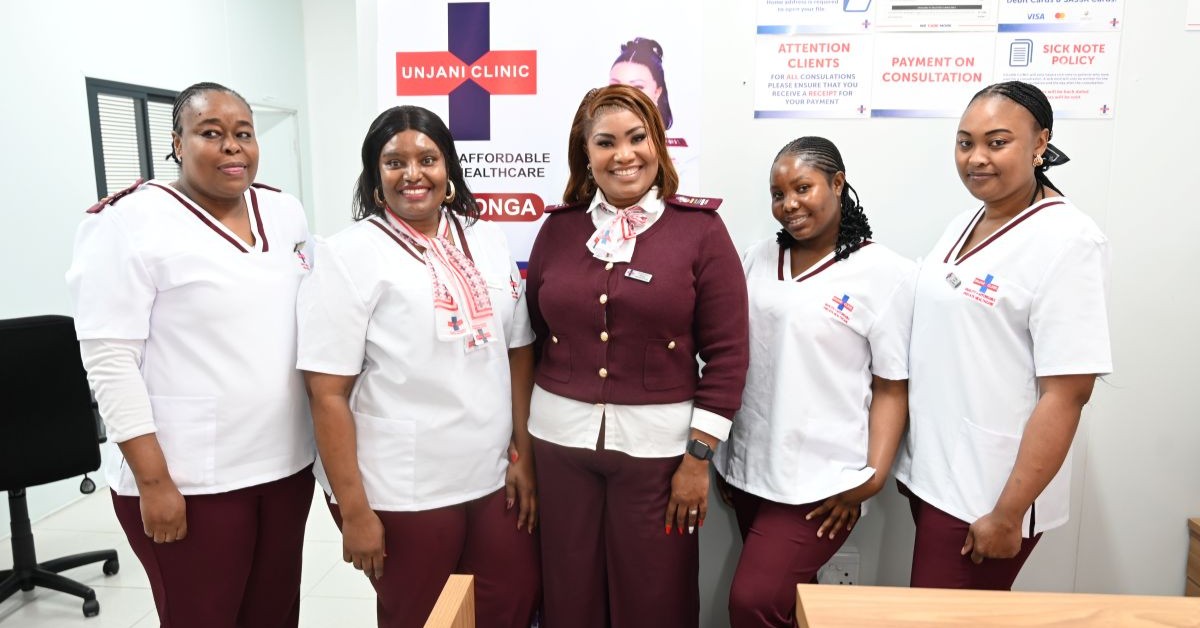
One such model is the Unjani Clinic Network, co-founded with the support of Motus Holdings. From six pilot clinics twelve years ago, the network has grown to more than 280 care sites across South Africa over twelve years, delivered more than eight million healthcare consultations and created over 880 permanent jobs. The majority of clinics are owned and operated by qualified black female nurses, with the network aiming to expand to 600 clinics by the end of 2031.
As one of Unjani Clinics’ two co-founding partners, Motus has contributed approximately R20 million towards clinic infrastructure, interest-free loans and skills development. Its support also extends to youth learnerships through the YES for Youth programme, placing young incumbents at clinics and introducing them to basic administrative skills.
Research into nurse-led social entrepreneurship in South Africa has found that professional nurses who establish healthcare businesses often face challenges beyond the consulting room, including limited access to funding, mentorship and business skills in areas such as financial management, marketing, technology and regulatory compliance. These barriers can make the transition from a healthcare professional to a business owner difficult, particularly as Nurse-preneurs take on responsibilities that extend beyond patient care.
These nurse-led clinics operate in rural, township and peri-urban communities, where accessing basic healthcare may require patients to travel long distances, take time away from work or rely on public healthcare facilities that are high in demand. Berenice Francis, Group Executive for Risk, Sustainability, and People at Motus Group and Chairperson of the Unjani Clinics NPC Board, says nurse-led businesses play an important role in improving healthcare access and supporting local economic participation.
“Nurses already understand the healthcare needs of the communities they serve, but running a clinic also requires them to become employers, financial managers and business leaders,” says Francis. This Women’s Month, it is important to recognise women who are using their professional skills to build enterprises, create employment and provide healthcare closer to where people live.”
For Sister Mokgadi Modiba, who owns two Unjani Clinics in Katlehong and Sebokeng, this mission is deeply personal. She grew up in a small Limpopo village many hours away from the nearest clinic – an experience that shaped her understanding of how difficult it can be for families to obtain the healthcare they need.
“My journey has shown me that nursing can create impact beyond the consulting room,” she says. “Running two businesses, supporting my teams, and ensuring that our patients receive the care they need is a great responsibility, but it is also a privilege to see the difference healthcare close to home can make.” Experiences such as Modiba’s show how the Unjani Clinic initiative can combine healthcare delivery with entrepreneurship, creating businesses that are rooted in and responsive to the communities they serve.
“Giving a nurse access to funding is not enough on its own,” says Lynda Toussaint, CEO of Unjani Clinics NPC. “Building a sustainable clinic requires business knowledge, operational systems, and people who can provide guidance when challenges arise.”
“We can measure the Unjani Clinic impact in consultations, services, clinics, and jobs, but these figures only tell part of the story,” says Francis. “The real story is about the nurse who gains the confidence to lead her own business, the employee whose job supports a family, and the patient who can now receive quality care quickly and conveniently. These are the stories that show how purpose and practical support can create lasting change.”