The theme for this year’s World Health Day is centred on the fundamental right of every individual to access quality health services and education, regardless of their location or status. However, it cannot be ignored that misinformation and poor diagnosis rates have become a significant challenge in addressing health issues such as PCOS (Polycystic Ovary Syndrome) and PCOS during menopause.
These issues have led to a lack of proper care and treatment for those affected.
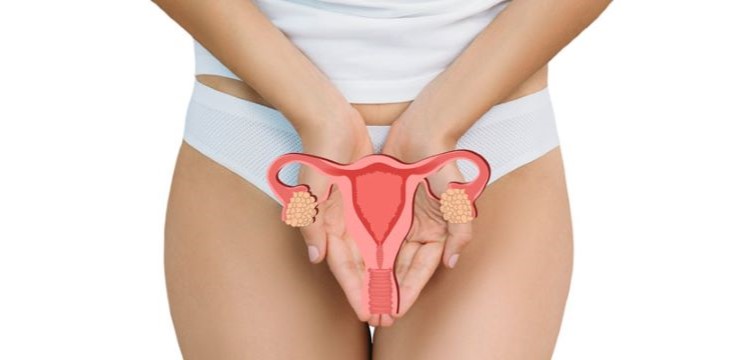
Polycystic Ovarian Syndrome (PCOS) is a condition that affects around 8-13% of reproductive-aged women around the world, but this figure isn’t completely reliable as up to 70% of women affected by PCOS remain undiagnosed.
PCOS and menopause are both conditions that are influenced by hormonal changes in the body. While menopause marks the end of menstruation and the end of the reproductive years for women, it does not offer a cure.
Even after reaching menopause, some women may continue to experience symptoms of PCOS, such as irregular periods, weight gain, and excessive hair growth, alongside the typical symptoms of menopause such as hot flashes, mood changes, and vaginal dryness.
This can both cause fluctuations in progesterone levels in the bloodstream, however, how they affect hormone levels is different. It’s important to note that although menopause may alter progesterone levels, it doesn’t provide a cure for PCOS.
Diagnosis is a challenging area in the medical field
From the lack of PCOS awareness and expertise among medical professionals to the misinformation surrounding the condition, there is a great deal more research and education that needs to happen for PCOS sufferers to finally start receiving the care they deserve,
Women have taken their health into their own hands as a result, of doing their research online into the nature of living with PCOS and the treatment options available. Where women are often placed on invasive treatment plans or even referred for hysterectomies, many women are looking to more natural over-the-counter options for relief.
PCOS sufferers experiencing a lag in sexual arousal and intimacy with their partners are also increasingly addressing these problems symptomatically. Specially formulated to enhance women’s intimate wellness and overall sexual satisfaction, Lady Prelox is a natural solution proven to improve blood flow and promote intimate comfort.
This World Health Day, take back the right to health and wellness as women by taking PCOS treatment into your own hands.
For more information on Ovaria and Lady Prelox supplements, visit https://www.lamellepharmaceuticals.co.za/