When someone with asthma comes into contact with a trigger, the muscles around the airways tighten, the lining swells, and extra mucus is produced. This makes it harder for air to move in and out of the lungs, leading to symptoms such as coughing, wheezing, chest tightness, and shortness of breath. For some people, spring is one of the most challenging times of the year because several asthma triggers become more common at the same time.
Why Spring Can Trigger Asthma
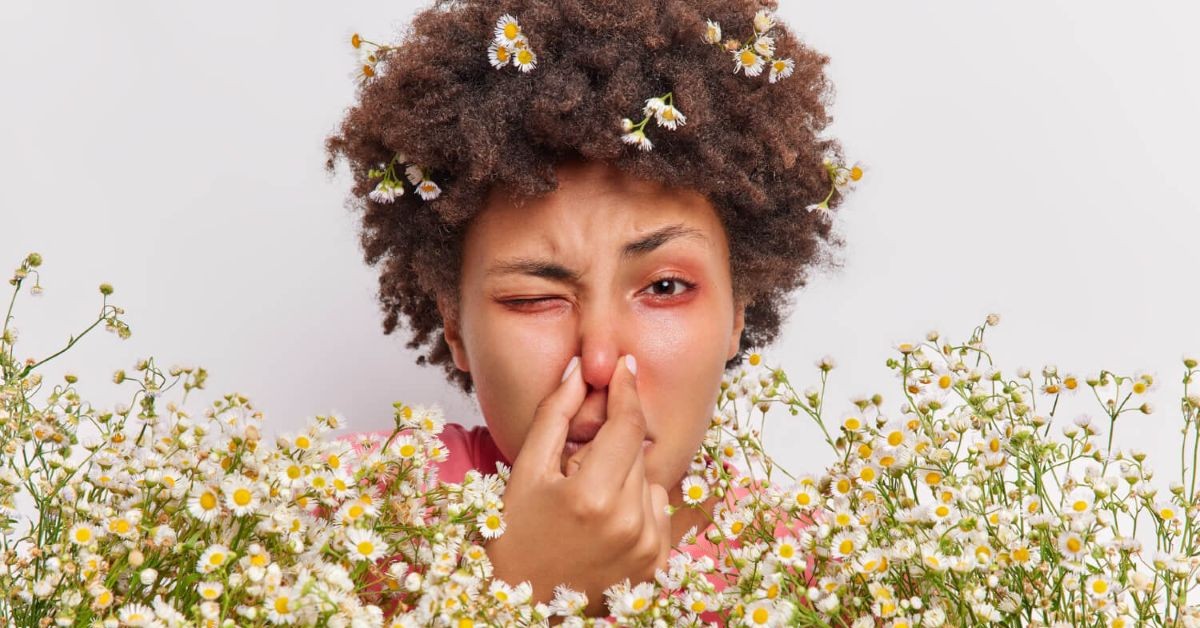
One of the biggest seasonal triggers is grass pollen. During spring, grasses release tiny pollen particles into the air. When these particles are breathed in, they can trigger an allergic reaction in people who are sensitive to pollen. If a person also has asthma, this allergic response can inflame the airways and cause symptoms to worsen. Many people with asthma also suffer from hay fever, and sneezing, itchy eyes, a blocked or runny nose, and throat irritation can make breathing feel even more uncomfortable.
Treating hay fever properly can often help improve asthma control. Spring weather can also be unpredictable. Warm afternoons followed by cool evenings, windy days, and sudden thunderstorms may all affect sensitive airways. Strong winds carry pollen over long distances, increasing exposure even where there are few flowering plants nearby.
More Than Just Pollen
After winter, a common household practice is spring cleaning, which can stir up dust mites, mould spores, and pet dander that have built up indoors. These particles become airborne during sweeping, dusting, and vacuuming, and can irritate sensitive airways. In many areas, spring’s warm, windy, and dry conditions increase exposure to grass pollen, one of the most common asthma triggers, while also creating more airborne dust.
Smoke from braais, veld fires, and cigarettes may further irritate the lungs and make breathing more difficult. Strong-smelling cleaning products, air fresheners, paint fumes, and other chemicals can also trigger asthma symptoms in some people, even if they do not have an allergy. Respiratory infections remain another important trigger, and colds, influenza, and other viral infections can inflame the airways and worsen asthma symptoms throughout the year, including during spring.
Can Exercise Trigger Asthma?
Regular exercise is good for overall health, and most people with asthma can remain active if their condition is well controlled. However, exercising outdoors on days when pollen counts are high, or the air is smoky, may trigger symptoms in some people. Rather than avoiding exercise altogether, speak to a healthcare professional about the safest way to stay active, and follow your asthma treatment plan.
People living with asthma can lower their risk of spring flare-ups by following a few simple steps:
- Take preventer medication exactly as prescribed, even when feeling well.
- Always carry a reliever inhaler and check that it has not expired.
- Follow your personalised asthma action plan.
- Keep windows closed on very windy days or when pollen levels are high.
- Shower and change clothes after spending time outdoors to remove pollen.
- Dry washing indoors when pollen levels are particularly high, as pollen can collect on clothing and bedding left outside.
- Vacuum regularly using a vacuum cleaner with a good-quality filter where possible, to help reduce dust inside the home.
- Repair water leaks and remove mould promptly.
- Avoid smoking and exposure to second-hand smoke.
- Limit time outdoors if smoke from veld fires or heavy air pollution is present.
Asthma should not be ignored simply because symptoms seem mild. Warning signs that asthma may not be well controlled include needing a reliever inhaler more often than usual, coughing at night, becoming breathless during normal activities, or waking because of wheezing. Seek emergency medical care immediately if someone is struggling to breathe, cannot speak in full sentences, has blue or grey lips or fingernails, or gets no relief from their reliever inhaler. These may be signs of a severe asthma attack that requires urgent treatment.
Don’t Let Spring Take Your Breath Away
Although spring can increase exposure to asthma triggers, most flare-ups can be prevented through good asthma control and by understanding what causes symptoms. Knowing your personal triggers, taking medication correctly, and acting quickly when symptoms worsen can help you enjoy the season with greater confidence.