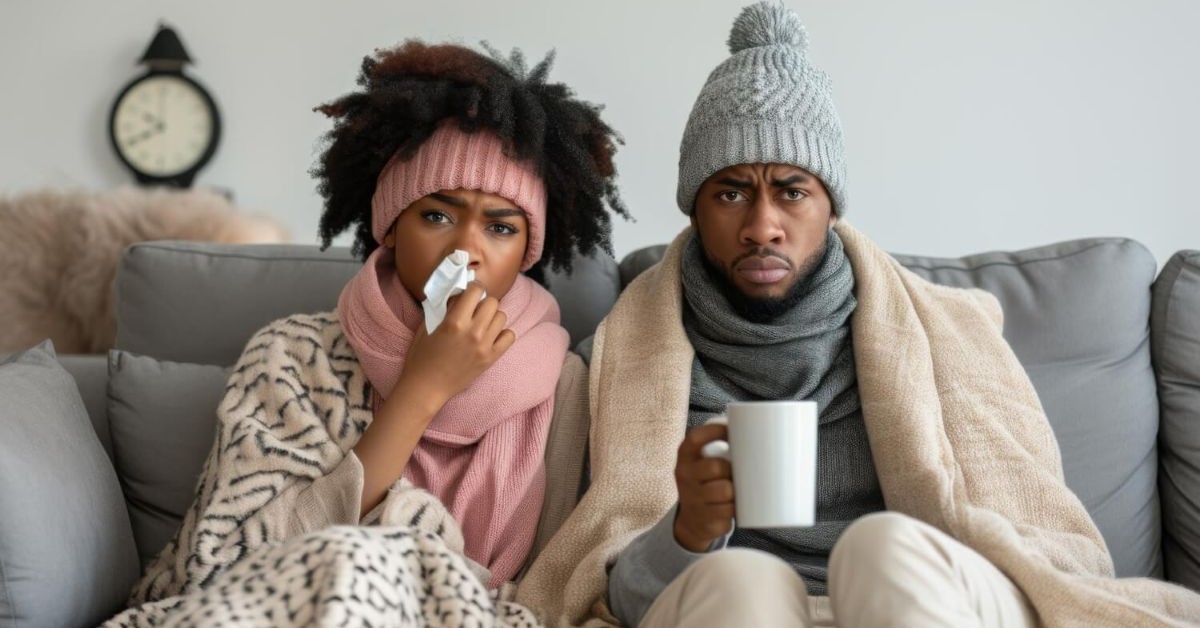
There is a common belief that simply being cold can make you sick. A typical warning heard during winter is: “Wear a jacket, or you’ll catch a cold.” While cold weather itself does not directly cause illness, there is some truth behind why more people seem to get sick during colder months.
Viruses, not cold temperatures, are responsible for illnesses like the common cold, flu, and many respiratory infections. However, colder weather can create conditions that allow these viruses to spread more easily. Many people blame the cold itself for making them sick, but viruses are the real cause. The colder months simply create an environment where infections spread more easily and where people may become more vulnerable to illness.
Why Illnesses Increase During Colder Weather
One of the biggest reasons more people get sick during colder months is that people spend more time indoors. Homes, offices, schools, and public spaces often have closed windows and less ventilation during winter. When people gather closely together indoors, respiratory viruses can spread more easily from person to person through coughing, sneezing, talking, or touching contaminated surfaces.
Respiratory viruses spread through tiny droplets released when an infected person coughs, sneezes, talks, or even breathes nearby. If another person breathes in these droplets or touches their mouth, nose, or eyes after contact with contaminated surfaces, infection can occur.
What Cold Air Does to the Body
Cold air itself does not infect the body, but it may affect some of the body’s natural defence systems. The nose plays an important role in protecting the body against germs. It helps warm and filter the air before it reaches the lungs. Inside the nose, mucus traps viruses and harmful particles, while tiny hair-like structures help remove them. Research has shown that some viruses, including rhinoviruses that cause the common cold, may reproduce more effectively in cooler temperatures found inside the nasal passages.
Cold, dry air may also dry out the inside of the nose, reducing the moisture that normally helps trap and remove germs. This may make it easier for viruses to enter the body if a person is exposed to them. Extreme or prolonged cold exposure may also place additional strain on the body, especially in older adults, babies, and people with chronic health conditions.
Can Wet Hair or Bare Feet Make You Sick?
Another common belief is that going outside with wet hair or walking barefoot on a cold floor can cause a cold or flu. In reality, colds and flu are caused by viruses, which means a person must be exposed to a virus before becoming sick. That said, prolonged exposure to cold can leave people feeling uncomfortable and may place additional stress on the body. While cold temperatures do not directly cause infection, dressing warmly and staying comfortable during winter can help support overall wellbeing and make it easier for the body to cope with seasonal challenges.
Why Antibiotics Don’t Work for Colds
One of the biggest misconceptions during winter is that antibiotics can cure colds or flu. Antibiotics are designed to treat bacterial infections, not viral infections. Since most colds and many seasonal respiratory illnesses are caused by viruses, antibiotics usually will not help people recover faster. Using antibiotics unnecessarily may also contribute to antibiotic resistance, making some bacterial infections harder to treat in the future. Most mild viral infections improve with rest, hydration, healthy nutrition, and proper symptom management.
Some practical ways to protect yourself include:
- Washing your hands regularly with soap and water
- Avoiding touching your eyes, nose, and mouth with unwashed hands
- Opening windows or improving airflow indoors whenever possible
- Covering your mouth and nose when coughing or sneezing
- Taking time to rest and recover if you start feeling unwell
- Getting enough sleep and eating a balanced diet
- Staying active, even if it is just a daily walk
If you live with a chronic condition such as asthma, diabetes, or heart disease, it is especially important to stay on top of your health during winter. Continue taking your medication as prescribed and attend your regular check-ups. Managing existing conditions well can help reduce the risk of complications if you do become ill.
Cold weather itself does not directly make people sick, but it can create conditions that allow viruses to spread more easily. Spending more time indoors, reduced ventilation, and dry air can all contribute to seasonal illness patterns. Understanding how viruses spread and how to protect yourself properly is far more important than simply fearing cold temperatures.