Your hair can let you and your doctor know whether you’re stressed, have a nutritional deficiency, a thyroid problem, or other health issues. It’s common to think about the health of your hair. But you might be missing clues that your hair is revealing about your health.
Research shows that changes in your hair’s look, texture, or thickness can be signs of underlying health conditions. Here’s what you should know about your hair changes and how they may relate to health problems, genetics, stress, or nutritional deficiencies. Stress and Genes Can Make You Go Gray
Going gray is a natural part of aging because your hair follicles produce less color as you get older. But research also suggests that stress can accelerate or contribute to graying hair by causing DNA damage. Oxidative stress, which occurs when certain types of molecules damage your body’s cells and tissues, may also play a role in gray hair.
Your genes also may play a role in when your hair turns gray. Several genes may be responsible for graying hair, according to research. So if your parents went gray at a certain age, you might, too. Brittle Hair Could Be a Sign of Cushing’s Syndrome. This is a rare condition caused by too much cortisol, the body’s primary stress hormone. But there are many other, more obvious symptoms of Cushing’s syndrome, including high blood pressure, bruising, fatigue, and back pain.
If medication is causing Cushing’s syndrome, treatment may include changing the dose. If a malignant tumor is the cause, surgery, chemotherapy, or radiation therapy may be necessary. Thinning Hair Could Be a Sign of Thyroid Disease. People who have hypothyroidism, a condition that occurs when your thyroid gland doesn’t produce enough thyroid hormones, might notice increased hair shedding and a change in hair appearance and texture.
In addition to thinning hair, symptoms include:
- Neck pain
- Dry skin
- Jaundice
- Weight gain
- Slow speech and movement
- Enlarged tongue Sore throat
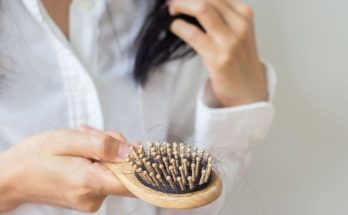
A thyroid-stimulating hormone (TSH) test will diagnose the condition, and treatment involves medications. Hair Loss Could Be a Sign of Anemia. If you’re suddenly noticing a lot more hair in your hairbrush or on your shower floor, it could be a sign that you have iron-deficiency anemia and may warrant testing.
It is more likely to order anemia blood tests for people who are vegetarians or for women who have heavy periods, both of which increase the chance that hair changes are because of low iron. It’s not completely known why low iron can cause hair loss. But iron is critical for many biological and chemical reactions, perhaps including hair growth. If your doctor determines that you are iron-deficient, eating more foods that are high in iron or taking an iron supplement might help with hair loss.
You also may lose hair temporarily because of sudden changes in estrogen levels. This can occur after pregnancy or after stopping birth control pills. Hair Loss Could Indicate a Protein Deficiency. Protein is essential for hair health and growth. A lack of protein has been linked to hair thinning and loss, according to research. Protein deficiency isn’t a problem; most adults need 0.36 grams of protein daily per pound of body weight.
Good sources of protein include:
- Nonfat Greek yogurt
- Lentils
- Eggs
- Wild salmon
People who have gastrointestinal difficulties or who just had gastric bypass surgery may have problems digesting protein. Consult your healthcare professional before you change your diet if you have these conditions.
White or Yellow Flakes Could Be Dandruff
This could be a sign of dandruff, a chronic scalp condition. Dandruff doesn’t usually indicate a serious health problem, and you can usually treat it with an over-the-counter or prescription shampoo. A condition called seborrheic dermatitis is a common cause of dandruff. Symptoms include patches of greasy skin covered with flaky scales, a rash, and itchiness.
Other causes include:
- A yeast-like fungus called Malassezia
- Dry skin
- Sensitivity to hair products
- Psoriasis
- Eczema
How to Avoid Damaging Your Hair
Although hair issues can be symptoms of other health conditions, highly treated hair may mask those problems and make it difficult to see or feel what your hair can tell you about your health. Too much heat from daily flat-iron use or blowouts can make your hair dry, brittle, and hard to maintain. Whenever you’re applying heat to your hair, always use products with protective ingredients.
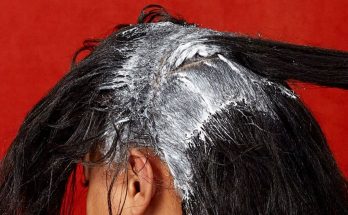
Serums and shine drops tend to have qualities that preserve the hair when using direct and indirect heat. Getting your hair professionally colored is unlikely to cause much damage, but bleaching your hair and using hair dye at home can have adverse effects.
You can mitigate any damage to your hair by using the right products. After color treatment, use a proper color-preserving and moisturizing shampoo. Hair loss, change in hair texture, and loss of hair color can be symptoms of serious health conditions.
Going gray could be a sign of stress genes or aging. Dandruff typically is not serious and often can be treated with shampoo. Avoid overtreating your hair, which can cause dryness and brittleness that resemble symptoms of other health conditions.