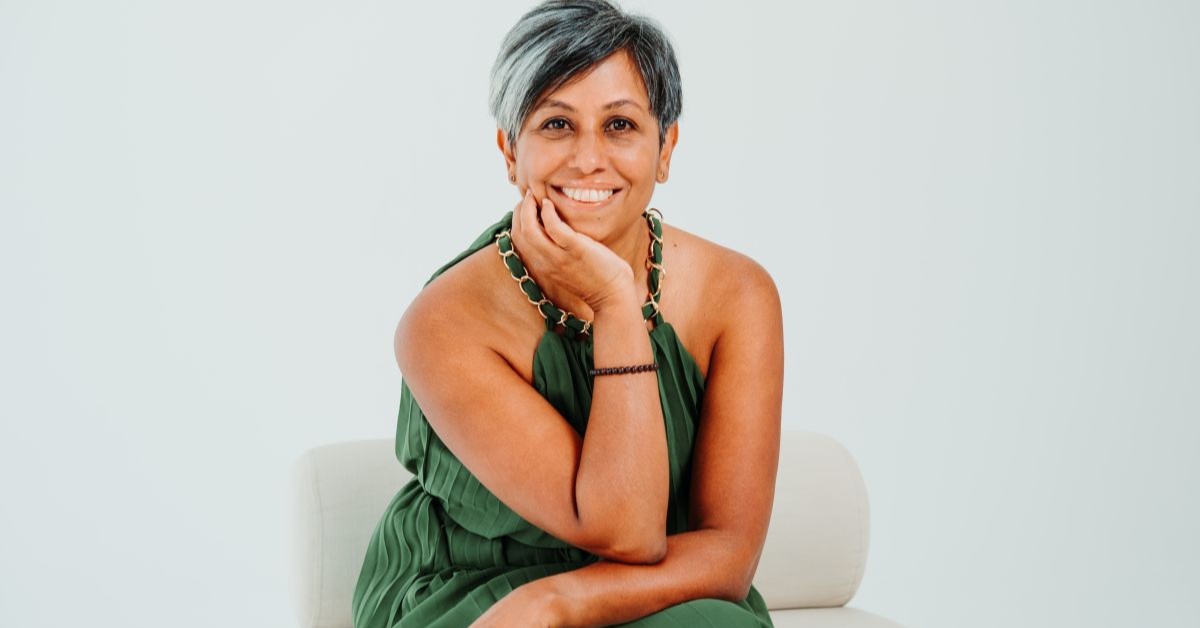
For Ingrid Fortuin, founder of South Africa’s Global Gateway Initiative, empowering young creatives is close to her heart. Inspired by her own experience supporting her children’s artistic ambitions, Ingrid recognised the barriers many talented young South Africans face in accessing training, mentorship, and professional opportunities. Through the initiative, she is helping emerging artists overcome these challenges, opening doors to international exposure and career opportunities that can transform their futures.
1. How did your experience as a mother supporting your children’s artistic ambitions inspire you to establish the Global Gateway Initiative?
As parents, we often recognise our children’s potential long before the rest of the world sees it. Our journey taught us to trust that potential, look beyond conventional expectations and dare to create opportunities where none existed. Supporting my own child’s artistic ambitions required faith, determination and a willingness to keep pushing, even when the path was uncertain.
Through that experience, I realised that many other young South Africans needed the same belief, guidance and support. What began as a personal journey became a much bigger calling: to help young creatives and their families navigate the arts, access opportunities and pursue their dreams. Someone once recognised my daughter’s talent and opened a door for her. Through the Global Gateway Initiative, we want to pay that forward.
2. What made you realise that talented young South Africans needed greater access to opportunities in the arts?
It was more of a gut feeling than a sudden realisation. I couldn’t shake the thought that so many talented young South Africans deserved the opportunity to discover how far their abilities could take them. Often, young people and their families simply don’t know where to begin, which doors to knock on, or how to navigate an unfamiliar industry.
The Global Gateway Initiative aims to bridge that gap by helping create opportunities and guiding both young performers and their families along the way. Talent deserves the chance to be explored, nurtured, and given room to flourish. A young person’s circumstances should never be the only thing determining how far their dreams can take them.
3. Your work is driven by the question, “Why should a young person’s circumstances determine how far they can go?” What does this mean to you?
Circumstances mean different things to different children. For some, it may be having enough food at home; for others, it could be the cost of equipment, classes, or transport. Circumstances can also affect confidence, self-worth and a young person’s belief in what is possible. A talented child may never pursue their dreams simply because they have grown up believing certain opportunities are out of reach.
We need to look at each young person holistically, understanding their family, challenges and individual needs. Through the Global Gateway Initiative, we want to bridge the gap between talent and opportunity by providing practical support, guidance and encouragement. A child’s circumstances should inform how we support them, not determine how far they are allowed to go.
4. What are the biggest challenges facing young South Africans who want to pursue careers in the arts?
Some of the biggest challenges are access to expertise, exposure, and opportunities. South Africa has extraordinary young talent, but talent alone is not always enough. Many young people don’t know which doors to knock on, who to approach or what steps are needed to turn their passion into a profession. These are often not questions of ability, but of access.
The Global Gateway Initiative aims to build relationships with professionals across the creative arts, including artists, designers, actors, musicians, and dance companies. Through these connections, we hope to create pathways to mentorship, training, knowledge and real-world exposure. Meeting someone who has built a career in an area you love can completely change how you see your own future.
5. What do the achievements of young dancers like Hlumelo Ntshangana and Owethu Cassandra Jonas mean to you?
I will forever be grateful that we were given the opportunity to be part of their journeys. It takes collective effort, belief, and commitment to help a young person reach their potential. The trust their mentors placed in us and the Global Gateway Initiative allowed us to explore possibilities without imposing expectations on what the outcomes should be.
Ultimately, Hlumelo and Owethu had to show up, work hard, and make the most of the opportunities presented to them. Their achievements demonstrate what can happen when young people are given the space, support and trust to pursue their potential. Our role is not to decide how far they can go, but to help create the conditions in which they can discover it for themselves.
6. How do you help young creatives turn opportunities into successful, sustainable careers?
An opportunity is a starting point, not a guarantee of success. Young people need to bring their own grit, determination, discipline, and willingness to learn. Our role is to help equip them through access to expertise, guidance and the soft skills needed to navigate professional environments. This includes communication, building relationships, taking responsibility, and persevering through setbacks.
We also want young creatives to develop the confidence to take ownership of their careers and pursue opportunities independently. We can open doors and provide support, but ultimately, they must do the work. Combining access and guidance with personal commitment is where the foundation for a sustainable career begins.
7. How important are mentorship, professional networks and international exposure in developing young talent?
Mentorship, professional networks and international exposure are crucial to creating meaningful pathways for young South Africans. Mentors can share their experience and expertise, professional networks can connect young creatives to opportunities they may never have found themselves, and international exposure can broaden their horizons and show them how far their talent can take them.
We must also recognise that young people start from very different circumstances. Some have access to resources and networks, while others are standing at the water’s edge, trying to work out where to begin. We need to make opportunities more accessible, build meaningful partnerships and move beyond good intentions into action. Our young people cannot afford to wait indefinitely for someone to open a door.
8. How can businesses and sponsors help remove the financial barriers facing aspiring artists?
The motto of the Global Gateway Initiative is to keep everyone connected. Businesses and sponsors can play an important role, but I would like to see partnerships go beyond simply providing funding. I want sponsors to meet the young people, understand their circumstances, and experience first-hand what their support can make possible. Sometimes the need is not just funding for classes or equipment, but transport to an audition, accommodation or specialised training when an opportunity arises.
Timing is critical. A decision made months later may mean a young person misses a life-changing opportunity. I want businesses to become active partners who bring their resources, expertise and networks together to create lasting change. The question is not simply how much we can give, but how effectively we can ensure support reaches the right young person at the right time.
9. What have been your biggest challenges and lessons as a leader and founder?
One of my biggest challenges is securing consistent funding. When working with young people, continuity is essential, and opportunities cannot always wait for funding decisions. Equally challenging is finding sponsors who genuinely believe in the vision and understand the value of the work. Building something from the ground up requires resilience and the ability to keep believing, even when others have not yet seen what you see.
One of my greatest lessons is that we are not there to restore young people’s dignity; we are there to honour it. Their worth has never been determined by their circumstances. As a leader, I have learnt the importance of listening, respecting individuality and working alongside communities rather than assuming we know what is best for them. Our responsibility is to recognise their potential and help create opportunities for them to flourish.
10. How can investing in the arts transform young people, their families and their communities?
In many marginalised communities, children grow up facing daily challenges centred around survival, leaving little room to explore their dreams. While academics are essential, children also need opportunities to experience joy, express themselves and discover their passions. Whether through singing, dancing, painting, skateboarding, or other creative activities, exposure can spark confidence and reveal talents they never knew they had.
Investing in the arts is about more than developing the next dancer, musician or actor. It is about helping young people discover who they are, build confidence and recognise their potential. Their growth can inspire siblings, parents and entire communities, changing what others believe is possible. When we invest in the arts, we invest in the whole child and their future.
11. What advice would you give young creatives who have talent but lack the resources or connections to pursue their dreams?
We have all heard the phrase, fortune favours the brave. Be brave! If there is a passion burning inside you, listen to it. Don’t allow what you don’t have today to convince you that you cannot achieve something tomorrow. Start where you are, ask questions, seek opportunities, and keep knocking on doors. When one closes, find another way.
Being brave doesn’t mean doing everything alone. Be willing to ask for help, learn from those who have walked the path before you, and recognise the people who believe in you. The journey may not be easy, but never let your circumstances decide your future before you have given yourself a chance. Be brave enough to begin and determined enough to keep going.
12. What is your vision for the Global Gateway Initiative, and what legacy do you hope to leave?
My vision is to leave every person, every situation, and every place better than we found it. I want the Global Gateway Initiative to continue creating meaningful opportunities for young South Africans, particularly those from marginalised communities, by connecting talent with expertise, building relationships, and opening doors. I also hope to help develop future visionaries who will eventually create opportunities for others.
The legacy I hope to leave is knowing that we made a difference: that a young person discovered a talent, a family found support, or a door opened when it mattered most. Perhaps one day, those same young people will be the ones opening doors for someone else. If we can help young people believe in their potential and allow them to pursue it, that is a legacy worth leaving.