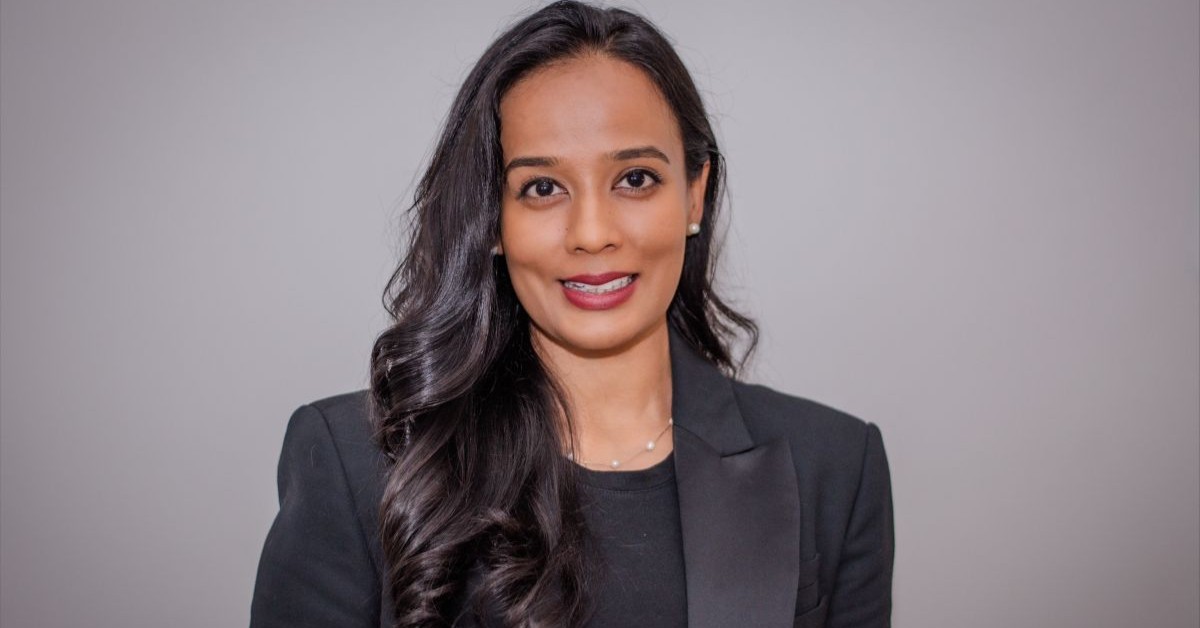
Over the course of my career, as an engineer and now working with thousands of youth entering the workforce through YES, I have often been asked what career advice I would give young women. I believe the most important advice isn’t just for young women; it’s for employers too.
I graduated as a civil engineer in 2012 and entered one of the most male-dominated professions globally. Looking back, I don’t remember feeling excluded; I remember being supported by a manager who genuinely wanted me to succeed. But I also experienced something many women still encounter today: well-intentioned decisions that unintentionally limit opportunity.
Construction sites were often considered too risky for a young woman, so I spent most of my career in planning and consulting. My manager believed he was protecting me. What neither of us fully appreciated at the time was that some of the experiences I was being shielded from would have accelerated my growth.
This has taught me something I have seen repeatedly throughout my career: barriers to young women’s career growth today are rarely obvious. They often come disguised as good intentions, assumptions or unconscious habits. It’s also why I’m wary of advice that puts the burden of changing this on young women alone. The barriers are real, but so is the question of who built them.
So, if I could speak to my younger self today, there are three things I’d say.
Lesson 1: Don’t spend your career trying to fit someone else’s definition of leadership. People still register visible surprise when I mention my qualification, because the image most of us carry of that role is male. Leadership doesn’t have a gender, personality types, or a particular background. Whatever is unique about you, including that you’re a woman, isn’t a liability to manage; it’s the thing that makes you stand out. Bring your unique perspective!
Lesson 2: Build capability before confidence. You cannot become confident without first doing something, in the same way you cannot get experience without a job. Don’t wait to feel ready; just start.
Lesson 3: Invest in learning, not titles. It is easy to measure growth by job titles and promotions; however, sustainable careers are built by developing the knowledge, skills, and experiences that prepare you for greater responsibility. When you focus on becoming more capable, opportunities often follow.
Of course, capability is not always enough. Even the most talented and prepared young women can encounter barriers that have everything to do with the systems they enter. This is where employers play an equally important role.
The opportunity gap can begin long before a woman walks through the door. Research has shown that bias can influence recruitment, e.g., photos on CVs and names that read as more feminine. Entry-level roles can carry outdated bias, too often about physical strength, even in jobs where strength isn’t required.
Employers also need to equip managers to recognise and challenge unconscious bias. My first manager was supportive and invested in my development; he simply hadn’t been equipped to separate genuine safety concerns from unconscious limits on what he thought I could handle.
Then there’s what gets rewarded. Visibility matters. Relationships, trust and being present for important conversations all play a role in career development, particularly early in your career. As entrepreneur Emma Grede recently argued, opportunities often come to those who are “in the room”.
Young professionals benefit enormously from learning alongside colleagues and building relationships in person. But visibility should never become a substitute for value. Organisations should recognise outcomes, collaboration and impact, not simply who spends the longest hours at their desk or speaks the loudest in meetings. The most inclusive workplaces create opportunities for people to be seen while ensuring that performance, not presenteeism, drives progression.
I’ve also had to teach myself, and now encourage other women, to keep a record of what they’ve achieved and to talk about it. Women often work hard and wait for people to notice, and that may never happen. We need to be vocal about our achievements.
This matters most at the first job. At YES, we care about moving people from potential to capability, building the confidence, skills and employability that shape a career. That quality of a person’s first job, first manager, first team can shape their entire career. This is pivotal, particularly for young black women, who remain among the most excluded from South Africa’s labour market.
Every August, South Africa remembers the more than 20,000 women who marched to the Union Buildings in 1956, challenging systems that denied them dignity and choice. Nearly seven decades on, better policies are in place, but barriers remain.
So, as we contemplate Women’s Day this August, the best way to honour the legacy of 1956, I believe, is not simply by celebrating how far we have come; it is by ensuring the next generation has fewer barriers left to break.
Article by: Aditi Lachman, Programme Delivery Executive, Youth Employment Service (YES)