For years, aesthetic concerns were often addressed in isolation: lines with injectables, pigmentation with lasers, texture with peels, and volume loss with fillers. As the industry has evolved, with advancements in skin science, technology, and injectable techniques, this has shifted toward a more integrated strategy.
“Skin ageing does not happen in one layer,” says Dr. Alek Nikolic, owner of the Dr Alek Nikolic practice, and specialist in aesthetic medicine. “The future of natural-looking rejuvenation lies in understanding how these concerns work together.” This is where multi-modal rejuvenation comes in. Instead of relying on a single treatment, practitioners increasingly combine complementary procedures in a planned, medically guided approach. The goal is to support the skin and face at different levels, creating a balanced, refreshed, and natural-looking result.
Layer one: the skin surface
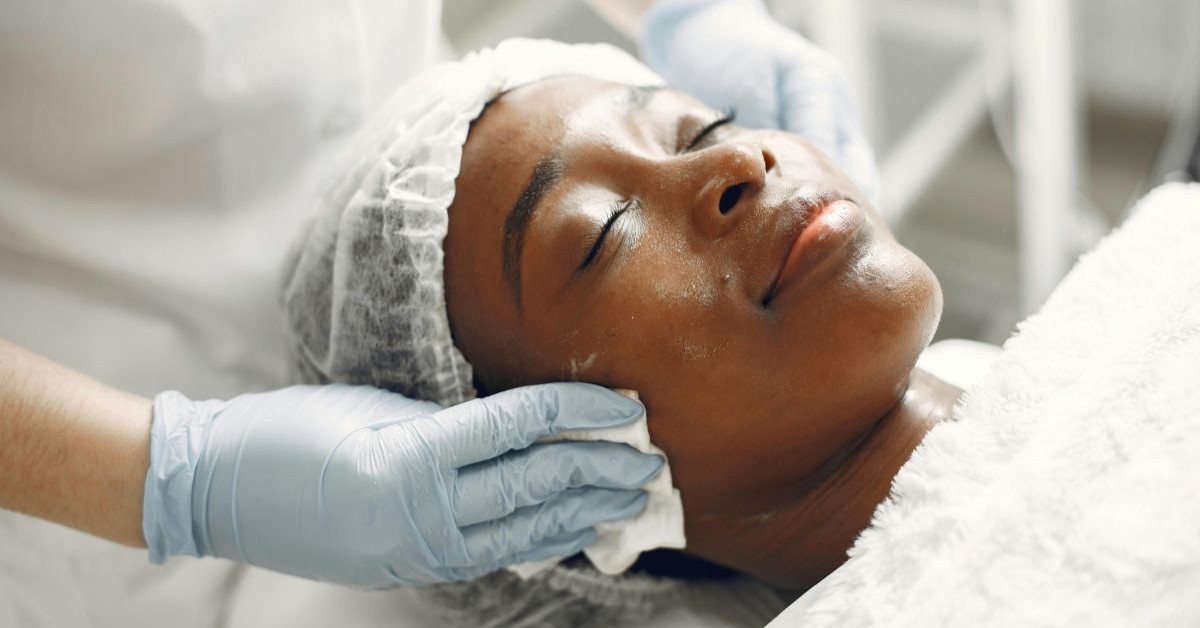
The first visible signs of ageing often appear on the surface: dullness, uneven tone, pigmentation, fine lines, and rough texture. This is where treatments such as superficial chemical peels, professional skincare, and skin resurfacing can play an important role. These treatments help improve the quality of the skin itself. Before we think about structure, we need to look at the canvas. Healthy skin reflects light better, responds better to treatment, and often needs less correction overall. Skin-focused treatments such as chemical peels, Dermapen MD, and professional skincare are used to support concerns including texture, tone, and overall skin health.
Layer two: collagen and skin strength
Below the surface, collagen and elastin loss affect firmness, elasticity, and resilience. This is why treatments that stimulate the skin’s natural repair processes have become an important part of modern rejuvenation. Microneedling, selected laser treatments, skin-tightening procedures, injectable skin boosters such as Skinvive® and Profhilo®, and biostimulator fillers can all be used, where appropriate, to support skin quality from within. These treatments encourage a slight tightening effect and healthier-looking skin over time.
Layer three: movement and expression
Facial movement is another important layer. Expression lines form over time as muscles repeatedly contract, causing the skin to fold, particularly around the lips and mouth area, forehead, frown area, and eyes. Botulinum toxin can be used to soften these movement-related lines, but the modern approach is more conservative and personalised than before. The goal should never be to stop movement and remove expression completely. A face that moves naturally looks healthier and more authentic.
Layer four: volume and support
As facial fat pads shift and volume changes, the face can start to look tired, hollow, or less defined. Soft tissue dermal fillers can be used to restore support in carefully selected areas, such as the cheeks, chin, jawline, or lower face, but this requires a full-face understanding. Furthermore, the loss of these support fat pads leads to accelerated skin ageing.
Adding volume back where fat pads have thinned and dropped not only provides support of facial structures but also has rejuvenating effects on the overlying skin. Biostimulator fillers may also be considered in certain cases, particularly when the goal is to encourage collagen production while improving facial support over time.
Why sequencing is important
One of the most important parts of multi-modal rejuvenation is sequencing. Not every treatment should be done at once, and not every patient needs the same combination. Skin type, age, lifestyle, budget, downtime, and medical history all influence the treatment plan. In some cases, the right starting point may be skin analysis and skincare. In others, it may be collagen stimulation, laser rejuvenation, botulinum toxin, fillers, or a combination built over several months.
As aesthetic medicine continues to move away from obvious correction and toward long-term skin health, multi-modal rejuvenation offers a more considered way to age well. It recognises that skin is complex, ageing is layered, and the best results often come from treating the face as a whole.