Eyebrow transplants have rapidly emerged as one of the fastest-growing aesthetic procedures globally, according to the International Society of Hair Restoration Surgery (ISHRS). Between 2022 and 2024, the percentage of women seeking non-scalp hair restoration who opted for eyebrow transplants rose from 9% to 12%, reflecting not just a rising demand but a broader shift in beauty priorities.
Men, too, are increasingly turning to these procedures not to make a bold statement, but to restore natural balance and symmetry to their faces, highlighting how brows are now valued for subtlety, proportion, and confidence rather than flashiness.
Today, brows are no longer about chasing fleeting trends; they’re about reclaiming something that was lost. A striking example is American actress Meagan Good, who once famously sported ultra-thin, heavily plucked brows in the 2000s. Years of over-plucking and early beauty trends left her follicles damaged, leading her to seek brow restoration surgery. Her story underscores a larger movement: beauty is evolving from experimentation and extremes toward restoration, longevity, and self-care.
From microblading mishaps to medical solutions
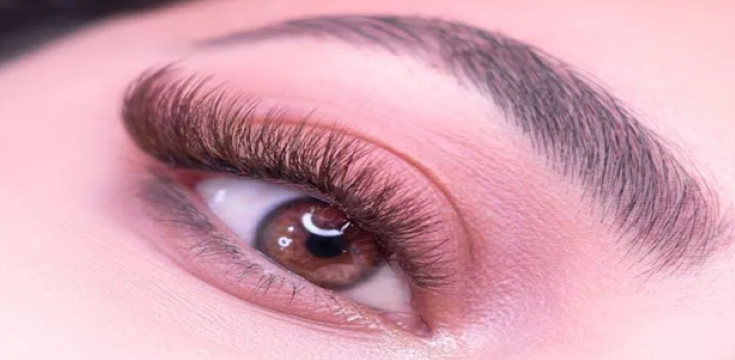
Eyebrow transplants sound like something influencers whisper about, but they’re surprisingly grounded. Hair follicles are borrowed from a donor site, usually the nape or sides of the scalp, and carefully implanted into the brow. But this isn’t copy-paste surgery. An eyebrow isn’t just hair. It’s a direction, a shape, and a story told in tiny angles.
“We use the finest grafts and place each follicle at exactly the right angle, so that the eyebrow looks natural, never transplanted,” said Dr. Kashmal Kalan, medical director at Alvi Armani South Africa.
- Technique matters. Design matters. The face leaves no room for shortcuts.
- The biggest culprits sending people to hair restoration clinics?
- Chronic over-plucking (hello, early 2000s).
- Heavy microblading that scarred follicles.
- Burns or injuries.
- Autoimmune conditions.
- Scarring alopecia.
Once hair follicles are permanently damaged, a condition practitioners call “follicular dropout,” growth serums or cosmetic tricks can only do so much. For some, surgery becomes the only real solution. We like to pretend beauty is lighthearted, whimsical, and reversible. But anyone who has spent years filling gaps with brow pencil or skipping pool days for fear their tint will fade knows that beauty can become surprisingly stressful.
Eyebrow restoration isn’t always vanity. Sometimes it’s relief. “We’ve seen patients who avoided mirrors or social interactions for years rediscover themselves through restored brows,” said Dr. Kalan. Those with scars or burns experience the transformation as both emotional and physical. We chase trends for fun. We seek restoration so we can feel like ourselves again.
Eyebrow transplants aren’t a fast fix. They’re a medical procedure that requires:
- Good donor hair.
- Realistic expectations.
- Stable health and healthy healing.
- No active inflammatory or autoimmune flare-ups.
Doctors screen carefully, and not everyone should or needs to have a transplant. Mindful beauty is finally embracing knowing when restraint is the real treatment.
What actually happens during a brow restoration surgery?
- Each brow needs 250 – 500 microscopically prepared hairs.
- You’re awake with local anaesthetic, sometimes light sedation.
- Swelling and tiny scabs last a few days.
- The transplanted hairs shed within a month (yes, on purpose).
- Growth starts around month three.
- Brows fill out by eight to nine months.
Because they come from the scalp, you’ll need to trim them, especially early on. A new brow is less “instant transformation”, more “gradual healing”. Think slow beauty. Almost poetic. Restoration culture tells us something simple: confidence doesn’t always come from changing who we are. Sometimes it comes from undoing what hurt us along the way.