Between work and family commitments, skincare needs to fit into everyday life. Home red light therapy devices offer a convenient option without appointments or time spent in traffic. Should you choose a mask, a panel, or a handheld device? Beyond the potential skin benefits, the decision comes down to comfort, which areas you want to cover, and how much time each session takes.
What does the research say?
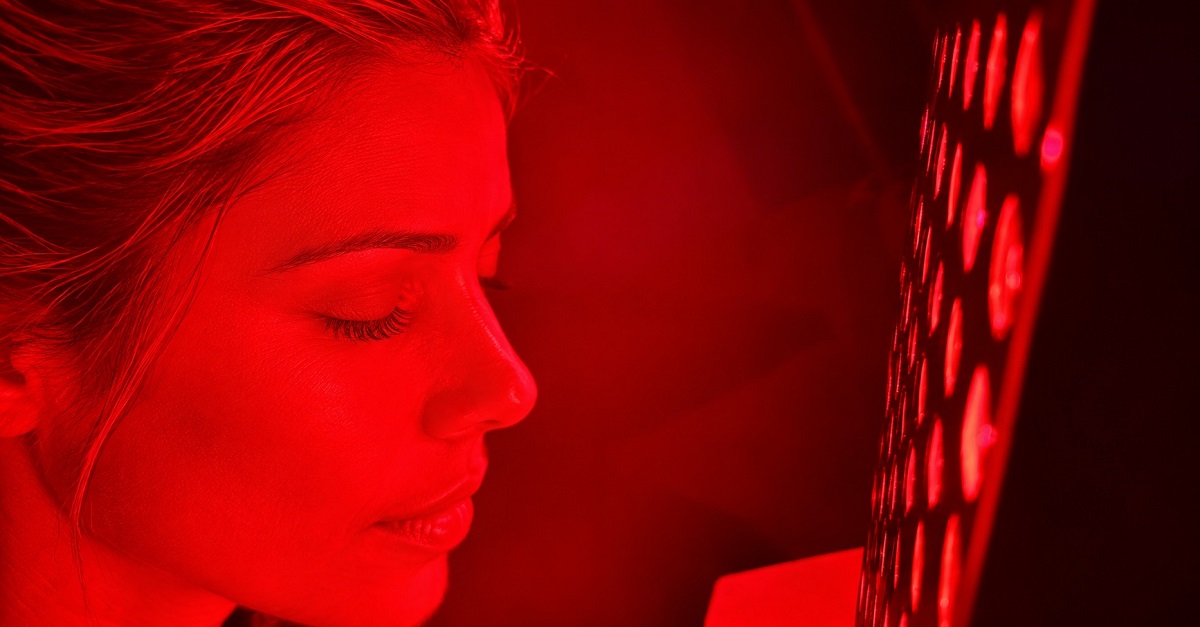
Red light therapy uses specific wavelengths of red light, sometimes combined with invisible near-infrared light. Researchers call this photobiomodulation. The light interacts with cells and can influence processes involved in collagen production and skin repair.
In a controlled study involving 136 volunteers, treatment groups received light sessions twice weekly. After 30 sessions, researchers reported improvements in skin roughness, fine lines, and collagen density compared with untreated controls. Read the study.
Keep in mind that studies use specific equipment and treatment settings, so the device you buy may not necessarily produce the same results. Red light therapy may help skin look smoother and soften the appearance of fine lines. Expect gradual changes with regular use, rather than a visible difference after one session.
A mask for facial routines only
An LED mask fits over your face and often covers the entire face at once. Most attach with adjustable straps and connect to a rechargeable controller or power supply, leaving your hands free during the session.
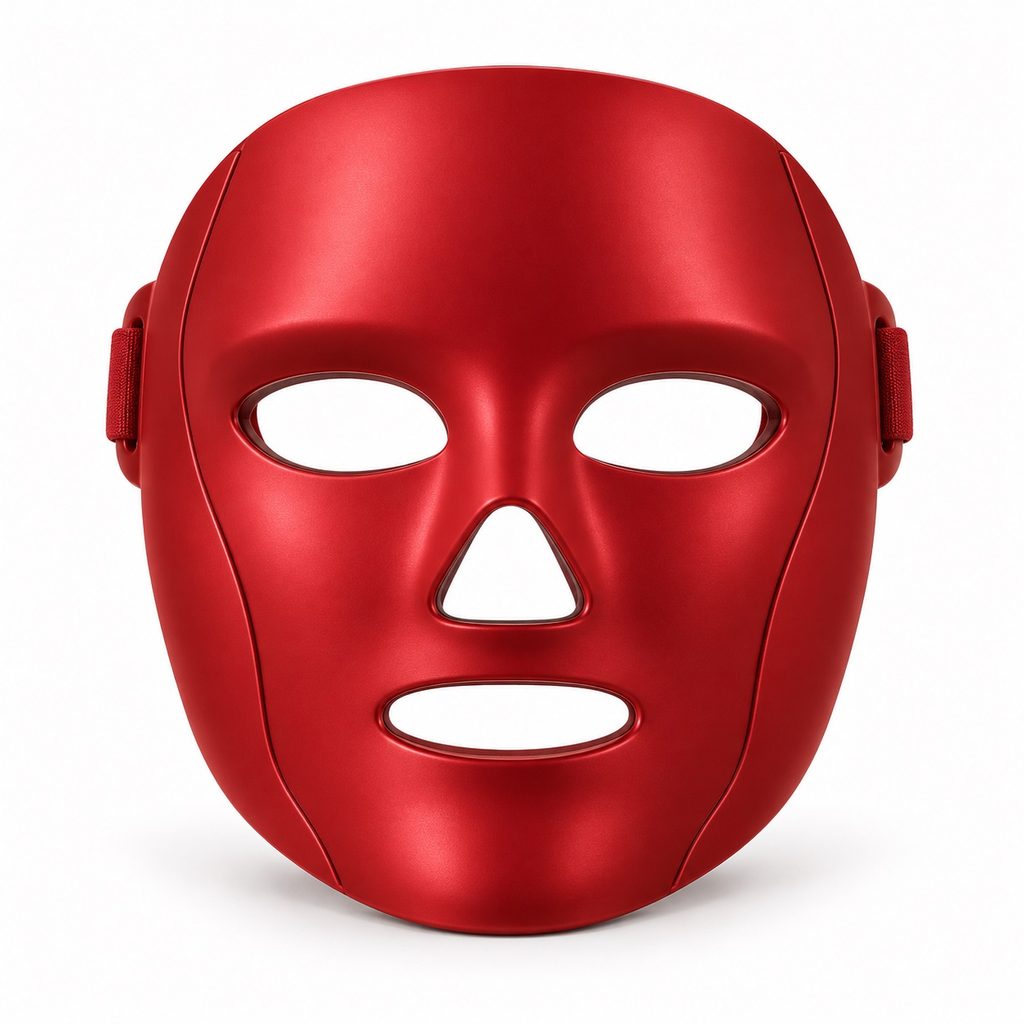
Comfort is critical. A mask that presses against your nose, slips down, or feels too heavy can quickly become something you avoid using. Finding one that sits correctly can make the difference between keeping up your routine and forgetting about it.
Some masks use soft, flexible silicone that bends around the face. Others have a rigid plastic shell with a fixed shape. Neither will suit everyone, so check the weight, strap design, and fit around your nose and eyes. Check whether the mask covers the areas you want to treat, including around your cheeks, forehead and chin.
A mask is convenient if your main interest is facial skincare. Covering your neck or chest may require a separate attachment or device. Some masks come with an additional device for neck coverage, which can increase the overall cost.
A panel for flexible coverage
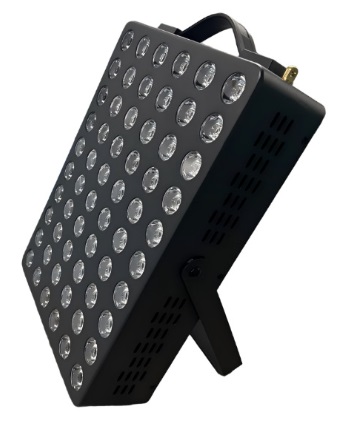
A panel stands or hangs in front of you, allowing you to use it on your face and other areas, such as your neck, chest, or body. To set it up, place it securely on its supplied support or use the recommended hanging fittings. Sit comfortably with the area you want to expose facing the panel, at the distance specified in its instructions.
A smaller panel takes up less room and is easier to put away. A full-body panel covers more skin at once but needs considerably more space, often with a dedicated stand and a much higher price. Panels can deliver more intense light than masks, which may allow for shorter sessions depending on the device, the panel’s output, and your distance from it. You need to remain positioned in front of the panel during use, usually with eye protection glasses, but it gives you flexibility in which area to target.
A handheld device for smaller areas
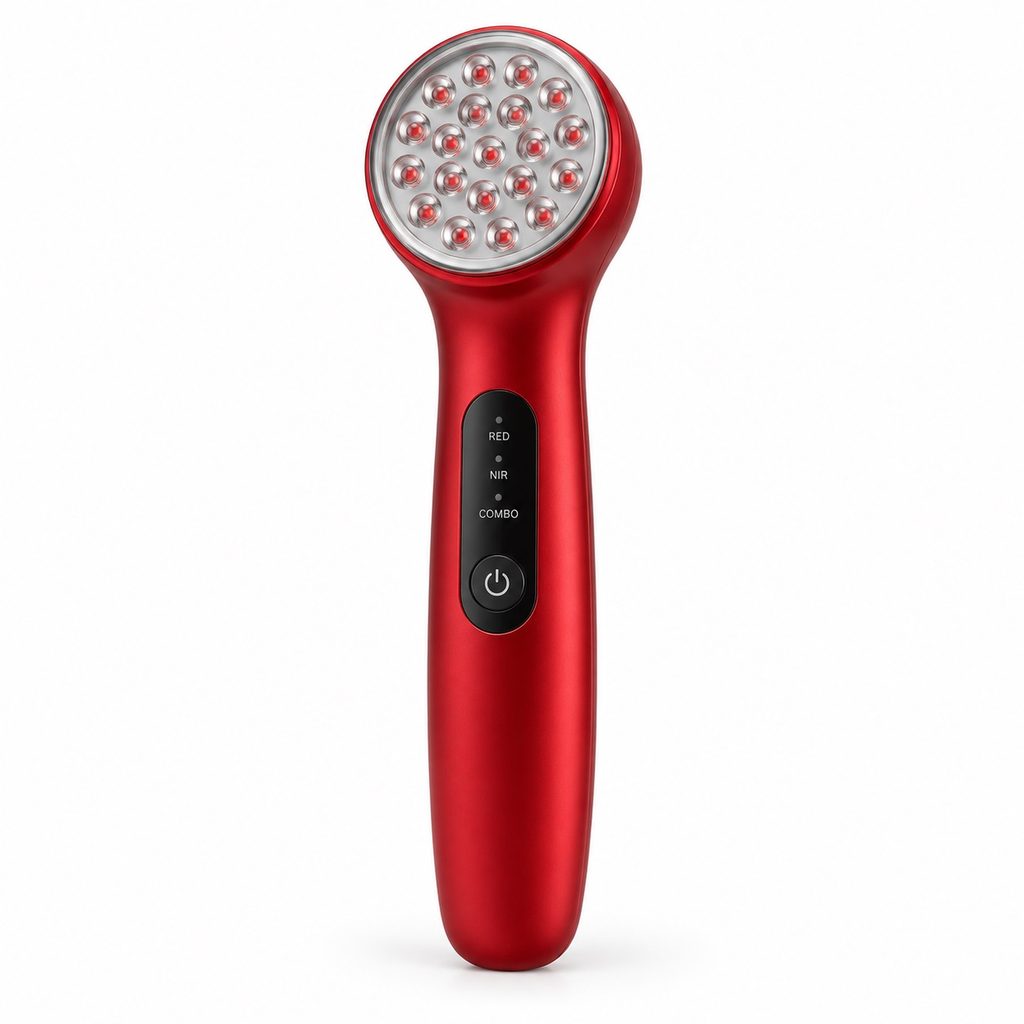
A wand or handheld device is compact and easy to store. Its smaller treatment head lets you focus on particular areas, but you need to hold it and work across the skin as directed. This can suit someone who prefers a short, targeted session. Covering the whole face takes more attention because each area needs its turn. Some wands combine red light with massage, warmth or electrical current. These may require a compatible serum to help the device glide or make contact with the skin.
How often should you use it?
These are approximate session times to help you compare devices. Follow your device’s instructions for the exact duration, distance, and weekly schedule.
- Masks usually take around 10 minutes per session. Depending on the model, coverage, and light output, some manufacturers recommend three to five sessions weekly.
- Panel sessions can take 5 to 15 minutes per area. The recommended time depends on the panel’s output and distance. Some manufacturers suggest starting with 5 to 10 minutes, with sessions three to five times a week.
- Wands may take around 3 minutes per small area. Depending on the device and coverage, a full session can take about 12 minutes. Some manufacturers recommend three to five sessions weekly.
Check whether the advertised session time covers your whole face or just one area. Keep to the recommended duration rather than extending sessions to try to speed up results.
How to fit red light therapy into your skincare routine
For most LED masks and red light therapy panels, use them on clean, dry skin before applying creams and serums. Wands that require a specific serum are the exception. In the evening, remove your makeup, wash your face, and pat it dry. Complete your red light therapy session, then apply your usual serum and night cream. You could do this after your evening shower or shortly before bed as well.
In the morning, cleanse and dry your face first. Use your mask or panel, then apply moisturizer, sunscreen, and makeup. A 10-minute mask session is easier to fit in if you allow for it before the rush to leave for work. Choose a few regular days that match the device’s schedule. Keep the equipment somewhere easy to reach so it is ready next time.
Speak to a dermatologist first if you have a condition or take medication that makes your skin sensitive to light, or if you are concerned about pigmentation. Stop using the device if it causes irritation. For more information about red light therapy for home use, visit Red Light Store.