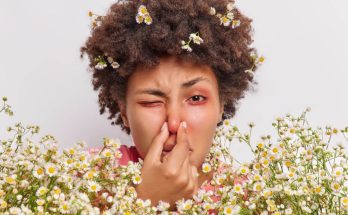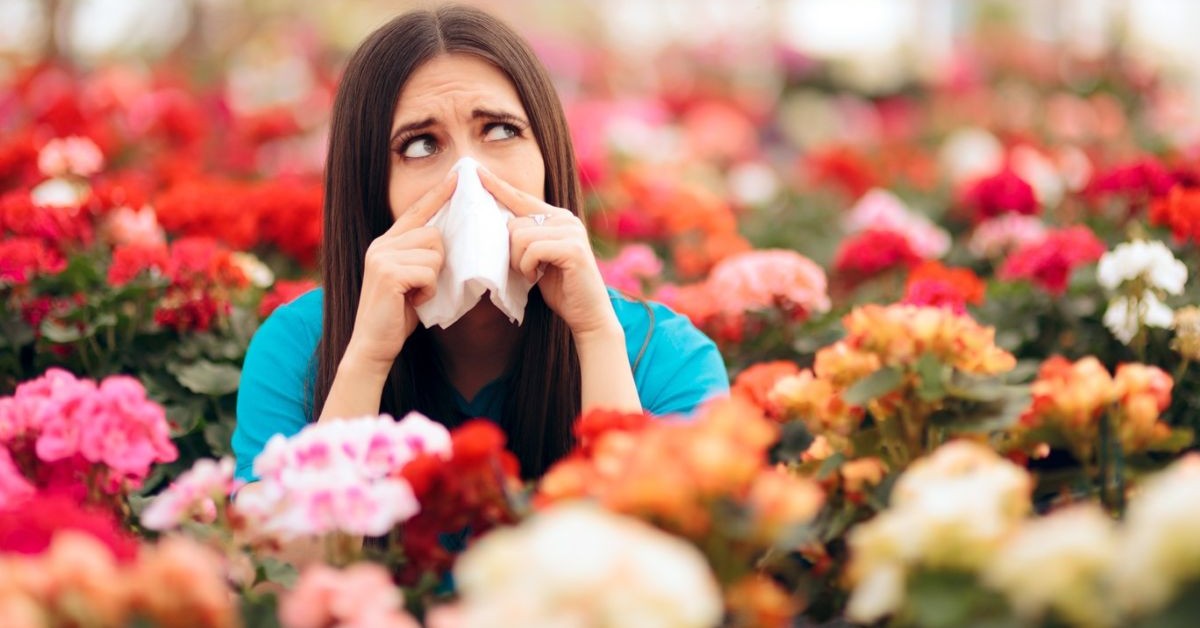
Spring’s warmer weather, blooming gardens, and longer days are meant to be met with enthusiasm and energy. But for many people, the arrival of the new season comes with less sunshine and more sneezing. If you’re constantly reaching for tissues, rubbing itchy eyes or waking up feeling congested, you’re far from alone.
“As beautiful as spring is, it’s also peak allergy season,” says Lindie Pretorius, Brand Manager for Linctagon®. “Because many allergy symptoms overlap with those of a common cold, people often aren’t sure what’s actually causing them to feel unwell.”
As temperatures rise, so do pollen counts. Trees, grasses, and flowering plants release tiny pollen particles into the air, triggering allergic reactions in people whose immune systems mistakenly identify them as harmful. Research also suggests that pollen seasons are beginning earlier and lasting longer than they did in previous years, meaning more weeks of itchy eyes, blocked noses and constant sneezing.
While winter may be behind us, spring can bring a whole new set of challenges for allergy sufferers. Unlike a cold, allergies aren’t caused by a virus, and they aren’t contagious. Instead, they can leave you feeling miserable for weeks if left unmanaged.
Common signs that your symptoms are allergy-related include:
- Intense itching of the eyes, nose, or throat.
- Frequent sneezing.
- Clear, watery nasal discharge.
- Symptoms that return around the same time every year.
- No fever.
- Symptoms that continue for several weeks.
“If your symptoms are accompanied by itchy eyes and repeated sneezing but no fever, allergies are often the more likely culprit,” explains Pretorius. “However, if you’re ever unsure or your symptoms worsen, it’s always worth speaking to a healthcare professional.”
Fortunately, you don’t have to spend the season avoiding the outdoors. A few simple habits can go a long way in helping you manage symptoms. Keep windows closed when pollen levels are high, particularly during the early morning, and shower or change your clothes after spending time outside to remove pollen from your skin and hair. Staying well hydrated, prioritising good sleep and eating a balanced diet can also help support your body’s natural immune defences.
Using a cold and flu support product such as Linctagon® C-Plus NAC 200, formulated with ingredients that help support the body’s natural immune defences during seasonal changes, can also help keep you feeling your best and assist you in feeling better faster. Combined with healthy lifestyle habits, it can help support your immune system as you transition from winter into spring.
While the sniffles are common this time of year, persistent or severe symptoms should never be ignored. If you develop difficulty breathing, chest pain, a high fever, or your symptoms become severe or continue interfering with your daily life, it’s important to seek medical advice.
Spring should be about enjoying blooming gardens, weekend markets and sunny afternoons, not wondering why you can’t stop sneezing. By recognising the signs of seasonal changes and managing them early, you can spend less time reaching for tissues and more time making the most of everything the season has to offer.