With household budgets under continued pressure, South Africans are increasingly looking for practical ways to reduce monthly expenses. While major energy-saving measures such as installing solar or replacing old appliances can make a significant difference, experts say everyday kitchen habits can also contribute to unnecessary electricity consumption.
From boiling more water than needed to repeatedly opening the fridge, seemingly harmless actions can add up over time, particularly in a room where several energy-intensive appliances are used every day. Renier Botha, finance expert at payday loan company Southern Finance, says households often focus on their biggest expenses while overlooking the smaller, everyday habits that can gradually increase monthly costs.
“When people think about saving electricity, they usually look at big changes like replacing appliances or installing solar, but everyday behaviour also plays a role.” “Small adjustments in the kitchen can help households avoid wasting energy and get more value from the appliances they already own.”
Boiling more water than you need
One of the simplest ways to waste electricity is by boiling more water than you actually need. It is common to fill the kettle to the top, even when making only one or two cups of tea or coffee. Although the amount of electricity used each time may seem insignificant, repeatedly heating excess water throughout the day can increase energy consumption over time.
Opening the fridge unnecessarily
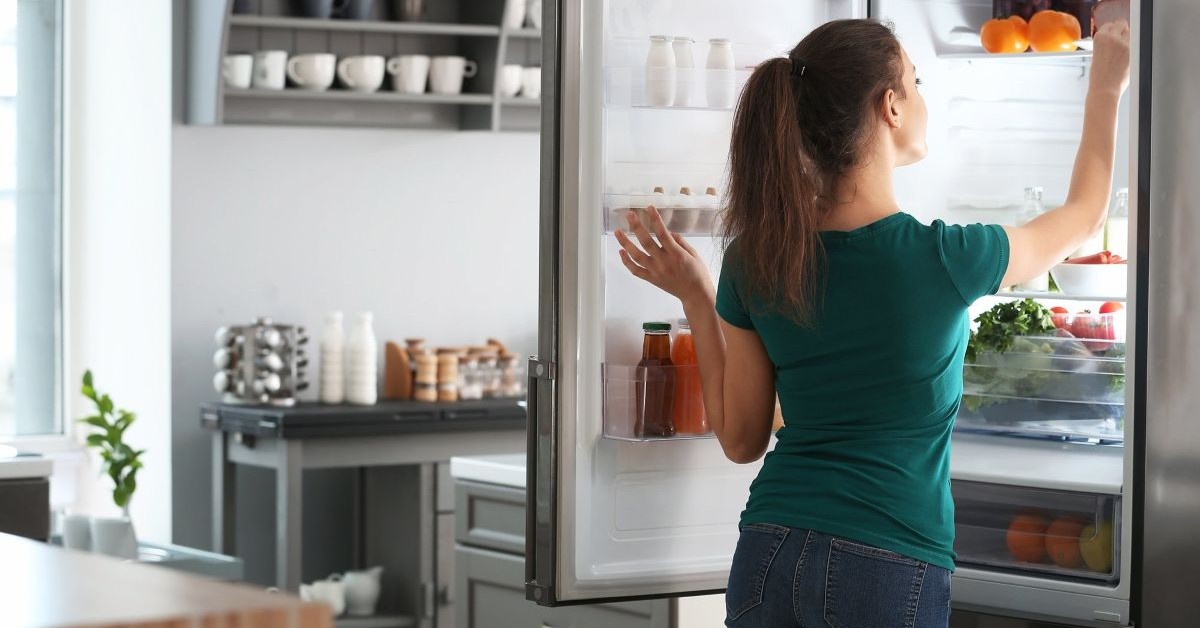
Your refrigerator is one of the few appliances in the home that operates around the clock, so the way it is used can have an impact on overall energy consumption. Every time the fridge door is opened, cold air escapes and warmer air enters. The appliance then has to work to bring the internal temperature back down. Planning what you need before opening the fridge and closing the door as quickly as possible can help reduce unnecessary energy use.
Overfilling the kettle
While boiling too much water wastes energy, the opposite is also worth considering. Many people automatically fill the kettle to a certain level without thinking about how much water they actually need. We often do this because it feels quicker, but the kettle then uses energy heating water that may simply be poured away. Being more intentional about how much water you boil is a simple way to reduce waste. A useful habit is to measure the amount of water you need using the cup or mug you are going to use before switching on the kettle.
Using the wrong appliance for the job
Not all kitchen appliances consume energy in the same way, and choosing an appliance that is larger or more powerful than necessary can result in unnecessary electricity use.
For example, households could consider:
- Using a microwave or air fryer to heat smaller portions instead of a large oven.
- Avoiding the use of a large oven when only a small amount of food needs to be heated.
- Using smaller appliances for smaller meals where appropriate.
- Waiting until the dishwasher is reasonably full before running a cycle.
The most energy-efficient appliance is not always the biggest or most powerful one. It is the one that matches the task. Using smaller appliances for smaller jobs can help households avoid unnecessary energy use.
Other kitchen habits worth changing
There are several other simple habits that households can adopt to reduce unnecessary energy consumption and make their appliances work more efficiently.
These include:
- Defrosting food in advance: Where practical, defrost frozen food in the refrigerator rather than relying on an appliance to thaw it quickly.
- Checking fridge and freezer temperatures: Keeping appliances at the recommended temperature can help prevent unnecessary energy use.
- Allowing hot food to cool appropriately: Placing very hot food directly into the fridge can make the appliance work harder to maintain its internal temperature.
- Checking door seals: Damaged or loose seals can allow cold air to escape. Cleaning seals and checking that doors close properly can help appliances operate efficiently.
- Running full loads: Where appropriate, wait until dishwashers and washing machines have a full load before running them.
Small changes can make a difference
Reducing household expenses does not always require major lifestyle changes or expensive investments. In many cases, it starts with paying closer attention to everyday habits and identifying where energy and money may be unnecessarily wasted.
With household budgets under continued pressure, the kitchen is a good place to start. By using appliances more thoughtfully and making a few simple changes to daily routines, South African households can reduce unnecessary energy consumption while getting more value from the appliances they already have.