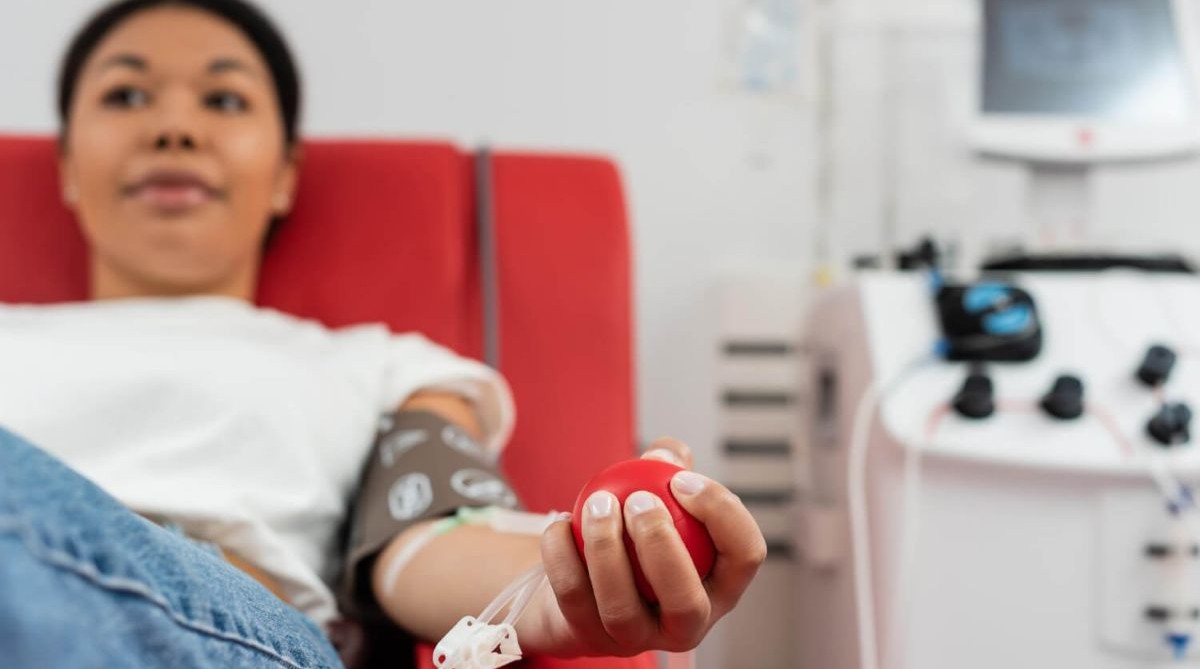
Blood donation is one of the clearest ways people can make a direct difference in someone else’s life. A single donation can support emergency care, major treatment, and recovery for patients of all ages. It is a simple act, but its impact can be extraordinary. Blood donation is often spoken about in general terms, but behind every unit collected is a real person whose life may depend on it.
It could be a mother experiencing severe bleeding during childbirth, a child receiving cancer treatment, someone rushed into surgery after a serious road accident, or a patient living with a blood disorder who relies on regular transfusions to remain stable and well enough to live normally.
Why One Donation Matters So Much
Few people seem to realise the impact that can come from a single donation. Donated blood is separated into components such as red cells, plasma, and platelets, which means that one donation can potentially help more than one patient, depending on how it is used. The Western Cape Blood Service (WCBS) highlights that a single donation can help save up to three lives. It is not just for emergencies, but also for planned surgeries, ongoing cancer care, support for premature babies, and treatment for people living with chronic medical conditions.
The Hidden Demand on Blood Supplies
Blood is needed every day, not only during disasters or major public emergencies. Hospitals and clinics rely on a consistent supply for routine and urgent care alike. SANBS says it aims to collect an average of 3,500 units of blood daily to meet demand and maintain a reserve stock. They also report that only one person in about 140 donates regularly, highlighting the significant pressure on a relatively small donor base.
Blood Has a Shelf Life
Another reason why donations must occur regularly is that blood does not last forever. SANBS states that a unit of blood lasts 42 days, meaning supplies must be continually replenished. In the Western Cape, the WCBS says it aims to maintain a five-day stock level for each blood group, underscoring the need to manage blood availability carefully. This limited shelf life is one of the biggest reasons blood services consistently encourage repeat donations. A strong blood supply is not built all at once; it has to be maintained constantly.
Why Certain Blood Types Matter in Emergencies
All blood groups are important, but some are especially valuable in time-critical situations. According to WCBS, O blood is considered the universal blood group, and O-negative blood can be transfused to people of all blood groups in emergencies. This is why appeals for O-negative donors are often so urgent when stock levels are low.
At the same time, hospitals need a balanced supply across all blood groups. Focusing solely on one type would still create deficiencies elsewhere. Every eligible donor plays a role in helping the system remain prepared.
Who Can Donate?
Contrary to common misconceptions, the general requirements for blood donation are often simpler than expected.
According to SANBS, first-time donors generally need to be:
- Between 16 and 75 years old.
- At least 50kg in weight.
- In good health.
- Able to wait 56 days between whole-blood donations.
Before donating, staff complete a screening process that includes a questionnaire, an interview, and checks such as pulse, blood pressure, and haemoglobin levels. This process helps protect both the donor and the patient receiving the blood.
National Blood Donor Month serves as a reminder that blood donation is about more than just generosity. It speaks to readiness, community, and the understanding that healthcare depends on people supporting one another. The answer to “Who needs your blood?” is simple: more people than most realise. In the same way, staying on top of your health matters too.