As “fake dimple” clips flood TikTok, Facebook, and Instagram feeds, medical professional Professor Chrysis Sofianos is warning South Africans not to mistake cosmetic procedures for harmless social media beauty hacks. What many online videos present as a quick enhancement may, in reality, be a medical procedure that can carry serious physical, emotional, and financial consequences if performed incorrectly.
Dimpleplasty has seen growing international popularity in recent years, with cosmetic surgery clinics advertising attractively priced procedures that can result in permanent damage. For the price of a new flagship smartphone, some cosmetic surgery clinics in South Africa are advertising dimple creation procedures as “quick and easy”.
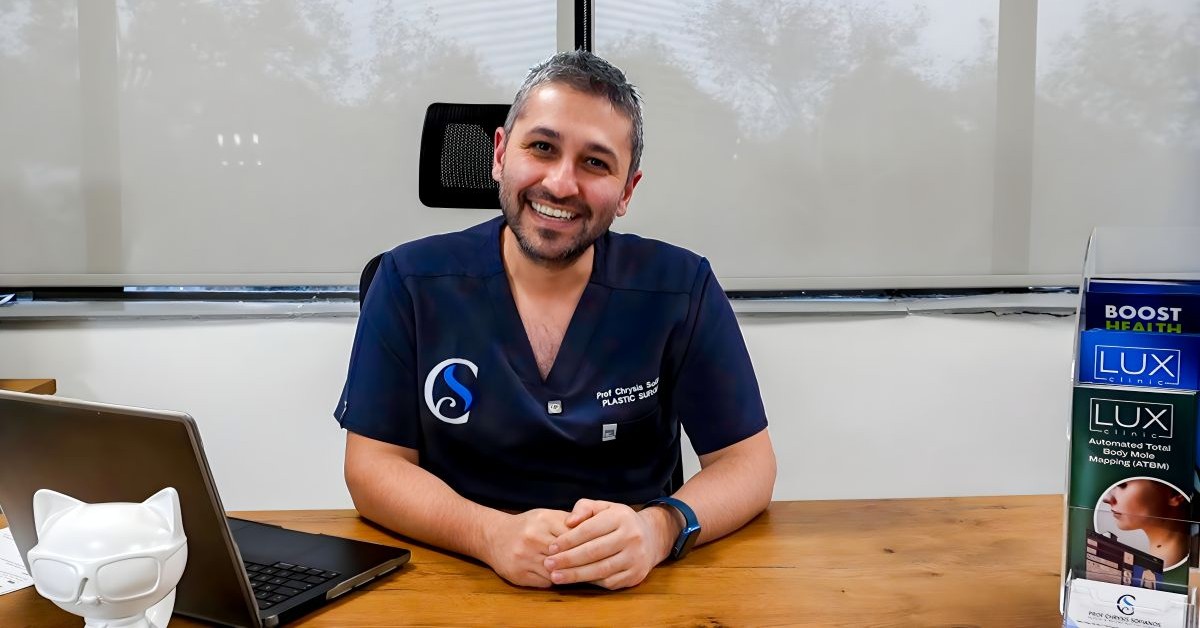
Professor Sofianos is a triple-board certified plastic surgeon and Academic Head of the Division of Plastic and Reconstructive Surgery at the University of the Witwatersrand. Having noticed this trend take hold as of late, and warning patients about its risks in his own practice, he is growing increasingly concerned about the dangerous ways in which cosmetic surgery is being normalised online.
Medical procedures should never be marketed with the casual attitude of a makeup tutorial
Dimpleplasty is invasive cosmetic surgery. It’s typically performed through a small incision inside the cheek, where tissue is strategically sutured to create an indentation designed to mimic a natural dimple. The challenge is that the face is one of the most delicate areas of the body to operate on, and any procedure that cuts into it carries real risks of long-term damage.
Because the face is so closely tied to identity and self-esteem, a failed facial procedure can leave patients dealing with embarrassment, anxiety, social withdrawal, and serious emotional distress. In many cases, the psychological consequences last far longer than the physical healing process. This is why extreme caution should be taken when choosing to undergo any voluntary, nonessential surgery.
Cosmetic procedures are closely regulated for a reason
Professor Sofianos stresses that just because the incision itself is small, its seriousness should not be underestimated. If performed with poor technique, under unhygienic conditions, or by an unqualified practitioner, the surgery could result in infection, chronic pain, scarring, asymmetry, nerve damage, poor wound healing, tissue necrosis, and unnatural facial deformities.
According to the Health Professions Council of South Africa (HPCSA), only appropriately qualified and registered practitioners are legally permitted to perform medical procedures. Medical experts have repeatedly warned the public about the dangers of invasive cosmetic treatments being performed in unregulated spaces lacking proper sterilisation, emergency protocols, and postoperative care.
Proper, well-equipped theatres and regulated medical procedure rooms exist for a reason. Sterile equipment, trained medical staff, emergency preparedness protocol, and decent aftercare are not optional luxuries, but fundamental safety requirements.
The rise of DIY procedures could cause untold damage
The trend may be taking a turn for the worse, according to Professor Sofianos. Home dimple makers and other DIY facial tools are openly being sold on social media and online marketplaces, some retailing for under R20 and claiming to help users create dimples through repeated facial pressure, despite limited medical evidence supporting their safety or effectiveness.
What’s particularly worrying is how aggressively social media now commercialises insecurity and turns facial features into purchasable trends. What was once a naturally inherited feature is now being marketed as something that can supposedly be clipped, injected, trained, or surgically created. The fact that DIY kits exist for what is otherwise an invasive elective procedure should spark significant social backlash.
A cheaper procedure or home-brew intervention could quickly become one of the most expensive mistakes of a patient’s life once corrective surgery, hospitalisation, scarring, emotional trauma, and long-term complications are factored in. There is also the risk of trends fading as quickly as they came.
Cosmetically constructed dimples may be fashionable today and forgotten tomorrow, but any complications could remain with a patient for months or years. Cosmetic surgery is still surgery, and no viral trend is worth risking your face, your health, or your future.