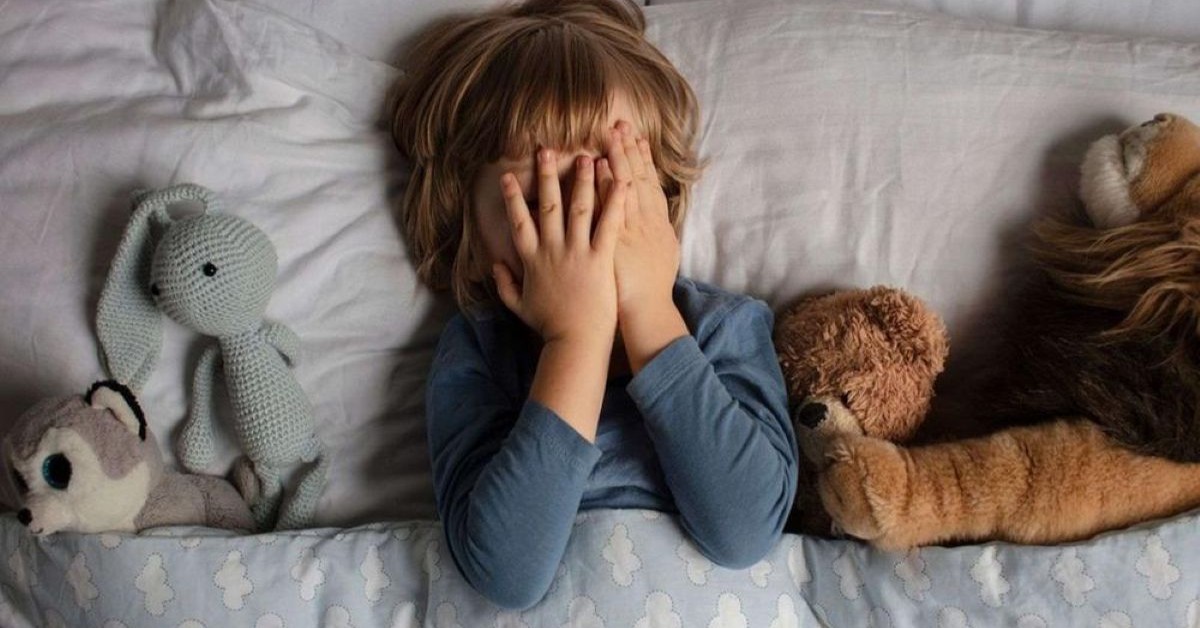
We all know how it feels to wake up with your heart pounding and your mind grappling to determine what is real and what was just part of whichever horrible scenario it managed to dream up. Was it just a nightmare or was it night terrors? Imagine how this must feel for a little child who doesn’t yet have an understanding of what a dream is. Most parents will be woken at least once in their child’s life, to their little one screaming and crying from having a bad dream.
Understanding Nightmares in Children
Nightmares are especially prevalent in children who are between two and three years of age, as their imagination runs wild. Children want to be comforted during this time, and even though it might take them a bit of time to let go of the scary thoughts and fall back asleep, they will be comforted by the presence of a parent.
Nightmares are scary dreams and can be triggered by movies, videos, books, stories, or events. These bad dreams can also occur during times of change or trauma. Nightmares are usually infrequent, but it is advisable to seek assistance from a play therapist if they do become more frequent.
What Are Night Terrors
Night terrors, on the other hand, are quite a different experience for both the little one and for the parents, shares sleep consultant Jolandi Becker from Good Night. Although night terrors typically occur between the ages of four and eight years, it has been reported in children as young as 18 months. These happen more frequently at night and occur more regularly over a specified time.
- During a night terror, a child can appear quite anxious and can scream for between 5 and 15 minutes.
- The presence of the parent will not comfort the child, or even worse, it could frighten the child.
- One is often unable to wake the child or to identify any obvious cause for the screaming.
- These night terrors are more upsetting, though, for parents than for the child, as children cannot remember them.
- Unlike nightmares, night terrors happen in NON-REM sleep and are not bad dreams.
- They can be caused by fevers, medication, and most commonly by sleep deprivation (lack of sleep).
Tips to deal with night terrors and try to avoid them:
First, make sure that when it occurs, your child is safe. There is no need to try to calm your child; just be there and wait it out. Trying to contain them could prolong the night terror.
- Do not speak or ask them about it the next day. This can make them afraid and worried as they are not aware that it is happening.
- Implement a set bedtime routine that is not too long (around 30 minutes) and not too late.
- Children up to the age of five years need between 11 and 12 hours of sleep at night, and bedtime should be around 19h00. A child older than 5 years can enjoy bedtime at around 19h30.
- Avoid screen time for at least two hours before bedtime. As such, falling asleep in front of the TV should never happen.
If your toddler wakes frequently, consider seeking support from an experienced sleep consultant to ensure the issue is addressed responsively and appropriately.
Night terrors can be scary, but they are rarely a cause for concern. Implementing better sleep routines and ensuring your child gets the rest they need, which is a solid 11 to 12 hours of sleep, can improve their sleep quality and lessen the occurrence of night terrors.
BabyWombWorld recognises that every family is different and should choose what works best for them. This article is intended for educational purposes only.